
Endüstriyel Otomasyon Yedek Parçaları için Küresel Sevkiyat Rehberi
İçindekiler
İçin PLC'ler, İnsan-makine arayüzleri, servo ürünler ve sensörler, öncelikle, tam içeriği, varış yerini, ambalaj gereksinimlerini ve varsa pilleri teyit edin. Ardından, teslim almadan önce nakliye hizmeti, ticaret şartları ve belgeler konusunda anlaşın.
Bu rehber pratik bir planlama çerçevesi sunar. Sevkiyata özel gereksinimler ürünlere, çıkış noktasına, varış yerine ve seçilen taşıyıcıya bağlıdır.
1. Navlun Teklifi İstemeden Önce Sevkiyatı Tanımlayın
İyi hazırlanmış bir sevkiyat talebi hem ürünleri hem de paketlenmiş gönderiyi tanımlar.
Şunları sağlayın:
- Üretici, tam parça numarası ve miktar.
- Ürün durumu: yeni, kullanılmış, onarılmış veya yenilenmiş.
- Sevkiyat nedeni: satış, değiştirme, onarım veya iade.
- Alım adresi ve eksiksiz teslimat adresi.
- Paketli ölçüler, brüt ağırlık ve paket sayısı.
- Gerekli varış tarihi.
- Bilinen bataryalar veya taşımaya hassas diğer içerikler.
Rezervasyonu doğrularken son paketli ölçüleri kullanın. Ürünün çıplak ölçülerine göre verilen teklif, koruyucu ambalaj eklendiğinde değişebilir.
Karışık siparişlerde, hangi kalemlerin acil ihtiyaç için gerekli olduğunu belirleyin. Bu, her şeyi birleştirmek mi yoksa acil bir parçayı ayrı göndermek mi gerektiğine karar vermeye yardımcı olur.
2. Gerekli Sonuca Göre Hizmeti Seçin
En hızlı olarak ilan edilen hizmet her zaman en iyi seçenek değildir. Alım, gümrükleme ve son teslimat dahil tüm güzergâhı karşılaştırın.
| Sevkiyat seçeneği | Ne zaman değerlendirilmeli | Neyi doğrulamalı |
|---|---|---|
| Ekspres kurye | Küçük ve acil yedek parça siparişleri | Kapsama, kabul, alım son saati ve gümrükleme düzenlemeleri |
| Hava kargo | Zamana duyarlı daha büyük veya ağır gönderiler | Havalimanı elleçleme, broker katılımı ve son teslimat |
| Deniz yolu | Yeterli zaman payı olan planlı ve hacimli gönderiler | Toplam süre, elleçleme, ambalaj ve varış yeri ücretleri |
| Karayolu taşımacılığı | Uygun bölgesel veya sınır ötesi taşımalar | Güzergâh, sınır formaliteleri ve teslimat erişimi |
Teklifin fabrikaya teslimatı mı yoksa yalnızca havalimanı, terminal veya depoya kadar teslimatı mı kapsadığını sorun.
Ayrıca üç tarihi ayrı tutun: alıma hazır, beklenen varış ve kuruluma hazır. Gümrükten çekme, kabul kontrolü ve mühendislik hazırlığı varış ile kullanım arasında gerçekleşebilir.
- İlgili Ürün
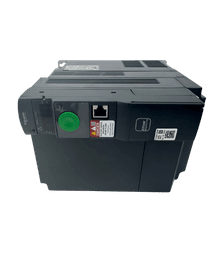
Altivar sürücünüzün değiştirilmesine mi ihtiyacınız var?
Bakım, sorun giderme ve yedek parça projeleriniz için yeni orijinal Altivar sürücülerini inceleyin.
- Yeni orijinal parçalar
- Hızlı yanıt
- Küresel nakliye
3. Sevkiyat Sorumluluklarını Kararlaştırın
“Kapıdan kapıya” bir hizmet düzenlemesini tanımlar, ancak ithalat gümrüklemesini kimin yapacağını veya vergileri kimin ödeyeceğini tek başına belirlemez.
Siparişte üzerinde anlaşılmış Incoterms® kuralını, belirtilen yeri ve sürümü kaydedin. İki ilgili örnek:
| Terim | Temel fark |
|---|---|
| DAP — Delivered at Place | Satıcı taşımayı belirtilen varış yerine kadar düzenler; ithalat gümrüklemesini ve ilgili ithalat masraflarını alıcı karşılar |
| DDP — Delivered Duty Paid | Satıcı ayrıca ithalat gümrüklemesi ile geçerli ithalat vergileri ve harçlarından sorumludur |
Her iki kurala göre de teslimat genellikle belirtilen varış noktasında, mallar boşaltılmaya hazır halde yapılır. DDP'yi kabul etmeden önce, satıcının varış noktasının ithalat gereksinimlerini karşılayabileceğinden emin olun. ICC Akademisi: Incoterms® 2020 — DAP mı, DDP mi?
Sevkiyattan önce ithalatçıyı ve gümrükleme irtibatını belirleyin. Paketi teslim alan fabrika ile ithalattan sorumlu kuruluşun ayrı kaydedilmesi gerekebilir.
4. Bileşenin Hassas Noktalarına Göre Paketleyin
Ambalaj; hareketi, darbeyi ve ürünler arasında zarar verici teması önlemelidir. Üreticinin gereksinimlerini ve taşıyıcının ilgili ambalaj yönergelerini izleyin.
FedEx elektronik ürünlerle ilgili kılavuzunda, yeniden kullanılan orijinal ambalaj ve koruyucu malzemelerin sağlam kaldığının kontrol edilmesi ve koruyucu bir dış kutu kullanılması önerilmektedir. Bunlar faydalı genel prensiplerdir, ancak bir bilgisayar paketleme kılavuzu, ürüne özel endüstriyel ambalaj değerlendirmesinin yerini alamaz. FedEx: Bilgisayar Nasıl Gönderilir?
PLC'ler ve elektronik modüller
Konnektörleri, terminal gruplarını, montaj klipslerini ve açık elektronik alanları koruyun. Ürün gerektiriyorsa uygun elektrostatik boşalma koruyucu ambalaj kullanın.
Gevşek aksesuarların modüle çarpmasını önleyin. Tek başına koruyucu torba darbe yastıklaması sağlamaz.
HMI panelleri
Muhafazayı desteklerken ekranı baskıdan ve diğer nesnelerle temastan koruyun. Montaj donanımını ekranı çizmemesi veya konnektörlere zarar vermemesi için ayrı paketleyin.
Paket yön değiştirirse ekrana yük bindirebilecek ağır bir bileşen yerleştirmeyin.
Servo motorlar ve sürücüler
Yoğunlaşmış ağırlığı ve çıkıntılı parçaları dikkate alın. Motorlar; gövdeyi sabit tutarken mili, flanşı ve konnektörleri koruyacak özel ambalaj gerektirebilir.
Daha ağır ekipmanlar için paketleyiciye veya lojistik sağlayıcıya güçlendirilmiş karton, sandık ya da paletin uygun olup olmadığını sorun.
Sensörler ve kablolar
Algılama yüzeylerini, lensleri, dişleri ve konnektörleri koruyun. Aksesuarları ayırın ve kablolarda keskin bükülmelerden kaçının.
Kapatmadan önce içeriğin ve koruma düzeninin fotoğrafını çekin. Bu görüntüleri sevkiyat kaydıyla birlikte saklayın.
- PLC Çözümleri
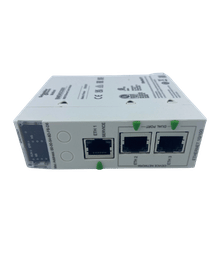
Sisteminiz İçin Doğru PLC'yi Bulun
Bakım ve otomasyon projeleri için yeni ve özgün PLC işlemcilerini, giriş/çıkış modüllerini, güç kaynaklarını ve iletişim ünitelerini keşfedin.
- Yeni orijinal parçalar
- Hızlı yanıt
- Küresel nakliye
5. Hava Taşımacılığı Rezervasyonu Öncesinde Bataryaları Kontrol Edin
Bazı otomasyon ekipmanları yedek batarya içerir ve değiştirme bataryaları ayrı kalem olarak da sipariş edilebilir. Tüm kontrol bileşenlerinin bataryasız olduğunu varsaymak yerine gerçek içeriği doğrulayın.
IATA lityum pillerin hava yoluyla taşınmasının pil kimyası, kapasite derecesi ve taşıma konfigürasyonu gibi faktörlere bağlı olduğunu açıklıyor. Tek başına, ekipmanla birlikte paketlenmiş veya ekipman içinde taşınan piller farklı değerlendirmeler gerektiriyor. IATA: Piller
Taşıyıcıya veya yetkili tehlikeli madde uzmanına batarya tanımını, miktarını, yapılandırmasını ve mevcut üretici taşıma bilgilerini verin. Geçerli kabul, ambalajlama, işaretleme ve belge gereksinimlerini doğrulatın.
Küçük bir batarya otomatik olarak muaf değildir. Üreticinin talimatlarını ve olası veri saklama sonuçlarını kontrol etmeden yalnızca sevkiyatı kolaylaştırmak için takılı bataryayı çıkarmayın, bağlantısını kesmeyin veya değiştirmeyin.
Batarya konularını alımdan önce çözün; kurye hizmeti rezervasyonu kabul garantisi değildir.
6. Doğru Gümrük Belgeleri Hazırlayın
Belgeler gerçek sevkiyatı tutarlı biçimde açıklamalıdır. Ticari veya gümrük faturası, varsa paketleme listesi ve taşıma belgesini paketlenmiş ürünlerle karşılaştırın.
DHL fatura kılavuzunda, sınıflandırma, menşe, miktar ve değer gibi belirli ürün tanımları ve ürün düzeyinde bilgiler istenmektedir. Mümkünse marka ve model gibi tanımlayıcı ayrıntıların eklenmesi önerilmektedir. DHL: Ticari Fatura Hazırlama
Otomasyon parçaları için tam referansın yanında anlaşılır açıklamalar kullanın. Örneğin:
- Endüstriyel makine kontrolü için programlanabilir lojik kontrolör CPU'su.
- Endüstriyel ekipman için dokunmatik ekranlı operatör arayüz paneli.
- Makine konumlandırma için AC servo motor.
- Metal algılama için endüktif yaklaşım sensörü.
Bunlar açıklama örnekleridir, tarife sınıflandırması değildir.
Sınıflandırmayı ve menşei doğrulayın
“Otomasyon yedek parçası” olarak açıklanan her kaleme tek bir genel HS kodu atamayın. Gerçek ürünler ve varış ülkesi gereksinimleri için sınıflandırma desteği alın.
Tarife sınıflandırmasını, geçerli olabilecek ihracat kontrolü incelemesinden ayrı tutun. İstendiğinde teknik bilgi, varış yeri ve son kullanım ayrıntıları sağlayın.
Menşe ülke ürün bilgileriyle desteklenmelidir; satıcının adresinden doğrudan kopyalanmamalıdır.
Sevkiyatın amacını ve değerini doğru beyan edin
Malların satıldığını, iade edildiğini, onarıldığını veya garanti kapsamında değişim olarak verildiğini belirtin. Ücretsiz bir gönderinin gümrük değeri olmadığını varsaymak yerine uygun değerleme yöntemini doğrulayın.
DHL tamir amaçlı gönderilerin, numunelerin ve hediyelerin yine de geçerli ithalat gümrükleme sürecinden geçtiğini belirtiyor. DHL: Gümrük Soruları ve Gümrükleme Kılavuzu
- HMI Değişimi
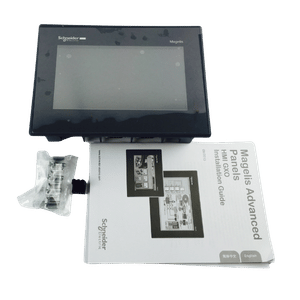
HMI'nizi Yükseltin veya Değiştirin
Üretimi durdurulmuş modeller, makine yükseltmeleri ve operatör arayüzü değişimi için uyumlu HMI panellerini bulun.
- Yeni orijinal parçalar
- Hızlı yanıt
- Küresel nakliye
7. Toplam Teslim Maliyetini Karşılaştırın
Nelerin dahil olduğunu ve nelerin ayrıca ücretlendirilebileceğini gösteren bir döküm isteyin:
- Taşıma ve alım.
- Paketleme veya elleçleme.
- Gümrükleme ve broker ücretleri.
- Gümrük vergileri ve ithalat vergileri.
- Sigorta veya sevkiyat koruması.
- Son teslimat ve diğer geçerli ek ücretler.
Farklı ticari şartlardaki teklifleri karşılaştırırken aynı ücreti iki kez hesaba katmaktan kaçının.
Taşıyıcı sorumluluğu ile kargo sigortasını da ayırın. Örneğin FedEx, beyan edilen değerin kendi sorumluluğuyla ilgili olduğunu ve sigorta olmadığını belirtir. Tam ikame teminatı varsaymak yerine seçilen taşıyıcı, hizmet ve güzergâhın şartlarını kontrol edin.
Değerli veya değiştirilmesi zor ekipmanlarda sevkiyattan önce teminatı, istisnaları, kanıt gereksinimlerini ve talep sürelerini netleştirin.
8. Alıcıyı Gümrükleme ve Teslimata Hazırlayın
Kararlaştırılan belgeleri ve takip bilgilerini alıcıya zamanında gönderin. Ürünlerle ilgili soruları yanıtlayabilecek ve ithalatçı veya broker ile koordinasyon sağlayabilecek bir kişi belirleyin.
DHL, eksik belgeleri, ödenmemiş ücretleri ve bilgi taleplerine geç yanıt verilmesini gümrük gecikmelerinin nedenleri arasında sayar. Hızlı taşıma, cevapsız kalan bir gümrük sorusunu telafi edemez.
Fabrikanın teslimat adresini, çalışma saatlerini ve boşaltma düzenlemelerini doğrulayın. Birden fazla paket içeren gönderilerde paket sayısını ve her paketin içeriğini tanımlama yöntemini bildirin.
Sevkiyat acilse yalnızca otomatik takip bildirimlerine güvenmek yerine bir istisnanın nasıl eskale edileceğini kararlaştırın.
9. Parçaları Kullanıma Almadan Önce Teslimatı Kontrol Edin
Teslim alırken paket sayısını ve görünen durumu sevkiyat kaydıyla karşılaştırın.
Görünür hasar varsa hemen belgeleyin ve taşıyıcının bildirim prosedürünü izleyin. Bir talep veya inceleme açık olduğu sürece dış ambalajı, dolguyu ve ilgili etiketleri saklayın.
Paketi açtıktan sonra:
- Parça numaralarını ve miktarları siparişle karşılaştırın.
- Erişilebilir yüzeyleri, konnektörleri ve aksesuarları kontrol edin.
- Eksikleri veya hasarları kaydedin.
- Şüpheli kalemleri beklemeye alın.
- Uygun kalemleri normal mühendislik süreciyle serbest bırakın.
Teslimat onayı yalnızca teslim alındığını gösterir, işlevsel kabulü değil. Taşıma hasarı şüphesi olan ekipmanı yetkin bir değerlendirme yapılmadan enerjilendirmeyin.
Sevkiyat Öncesi Kontrol Listesi
| Kontrol etmek | Gerekli sonuç |
|---|---|
| İçerik | Tam modeller, miktarlar, durum ve sevkiyat amacı doğrulandı |
| Kabul | Taşıyıcı malları ve varsa batarya yapılandırmasını kabul etti |
| Ambalajlama | Bileşenler sabitlendi ve hassas noktalar korundu |
| Ölçümler | Son paket sayısı, ölçüler ve brüt ağırlık kaydedildi |
| Belgeler | Açıklamalar, değerler, menşe ve miktarlar tutarlı |
| Sorumluluklar | Ticari şart, belirtilen yer, ithalatçı ve ücret dağılımı kararlaştırıldı |
| Zamanlama | Sevkiyat düzenlemeleri ve tahmini varış anlaşıldı |
| Teslim alma | Gümrükleme irtibatı, teslimat erişimi ve kontrol süreci hazır |
Sıkça Sorulan Sorular
Olabilir, ancak öncelikle onarım sağlayıcısı ve operatörle onay almanız gerekiyor.
Sevkiyat öncesinde onarım izni alın ve gümrük müşavirinden uygun ihracat, ithalat ve iade prosedürü hakkında bilgi isteyin. Kimlik ve işlem kayıtlarını saklayın. Onarım durumu, gümrük yükümlülüklerini otomatik olarak ortadan kaldırmaz.
Birleştirme koordinasyonu kolaylaştırabilir, ancak bunu her bir öğe için beklemenin operasyonel etkisiyle karşılaştırın.
Karışık ağırlıklar, kırılgan parçalar veya pillerin paketleme ve kabul şartlarını değiştirip değiştirmediğini kontrol edin. Acil bir parça, daha kısa sürede faydalı iş yapılmasını sağlıyorsa ayrı bir sevkiyatı haklı çıkarabilir.
Mutlaka öyle değil. Sevkiyat hazırlığı sırasında bir numara oluşturulabilir.
Taşıyıcının toplama veya kabul olayını kontrol edin ve etiket oluşturma işlemini fiziksel hareketten ayırt edin.
Projelerinize yepyeni, orijinal Omron, Mitsubishi, Schneider PLC'lerle güç katın - stokta, hemen kullanıma hazır!
Sevkiyat Talebinizi Hazırlayın
Kwoco'ya tam parça numaralarını, miktarları, varış yeri posta kodunu ve gerekli varış tarihini gönderin. Tercih edilen ticari şartları, teslimat kısıtlarını veya bilinen batarya gereksinimlerini belirtin.
Kwoco yayınladığı süreç, kargo seçeneklerinin incelenmesini ve onaylanmış siparişlerin taşıyıcıya teslim edilmeden önce paketlenmesini içerir. Standart bir transit süresi varsaymak yerine, gönderiniz için geçerli olan düzenlemeleri talep edin. Kwoco Nakliye ve Tedarik Bilgileri
Bize Ulaşın
Bu forma adınızı, e-posta adresinizi ve sorunuzun kısa bir açıklamasını girmeniz yeterlidir. 24 saat içinde sizinle iletişime geçeceğiz.
Ürün Kategorisi
Sıcak Satış Ürünleri
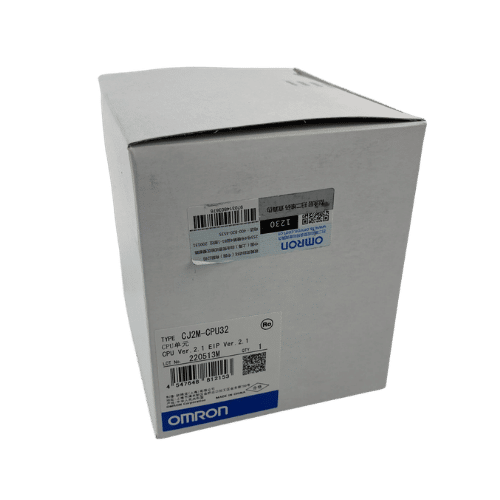
Omron CPU Ünitesi CJ2M-CPU32
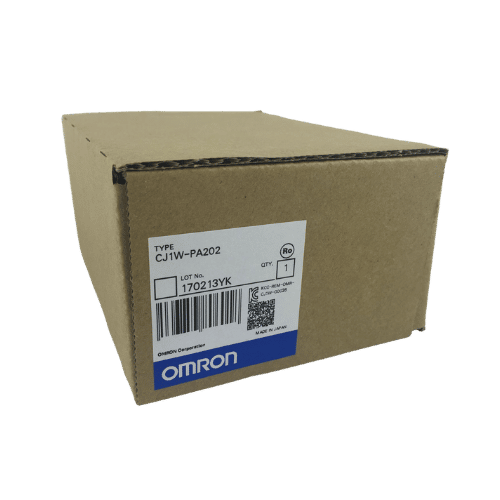
Omron PLC CJ1W-PA202 Çin Tedarikçisi
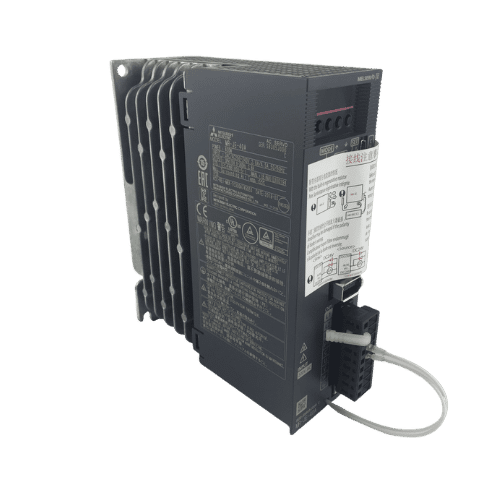
Mitsubishi MR-JE Serisi 400w Servo Sürücü MR-JE-40A
Hızlı bir eşleşmeye mi ihtiyacınız var?
Modelinizi veya özelliklerinizi paylaşın, ekibimiz size en uygun ürünü hızlıca bulmanıza yardımcı olacaktır.
- Uzman desteği
- Hızlı yanıt
- Rekabetçi fiyat
- +86-755-81481609
- [email protected]
Bu Konuları da İlginizi Çekebilir
Lenze Sürücü Hata Kodları: Yaygın Arızaların Bağlanması, Çalıştırılması ve Onarılması
Bu makale, Lenze sürücülerindeki yaygın hata kodlarını anlama, giderme ve çözme konusunda kapsamlı bir kılavuz sunmaktadır. Özellikle endüstriyel otomasyon alanında çalışıyorsanız, bu makale size yardımcı olacaktır.

Kwoco'nun Japon Kamu Şirketleriyle Başarılı İş Birliğine Derinlemesine Bir Bakış
Kwoco'nun Japon Halka Açık Şirketleriyle Başarılı İş Birliğine Derinlemesine Bir Bakış Yeni bir tedarikçinin gereksinimleri karşılayıp karşılayamayacağından hiç şüphe duydunuz mu?
Omron PLC'ler için Sinyal İzolasyonu Neden Önemlidir?
Omron PLC'ler için Sinyal İzolasyonu Neden Çok Önemli? Endüstriyel otomasyon dünyasında, sinyal paraziti sessiz bir katildir. Sinsice ilerler.