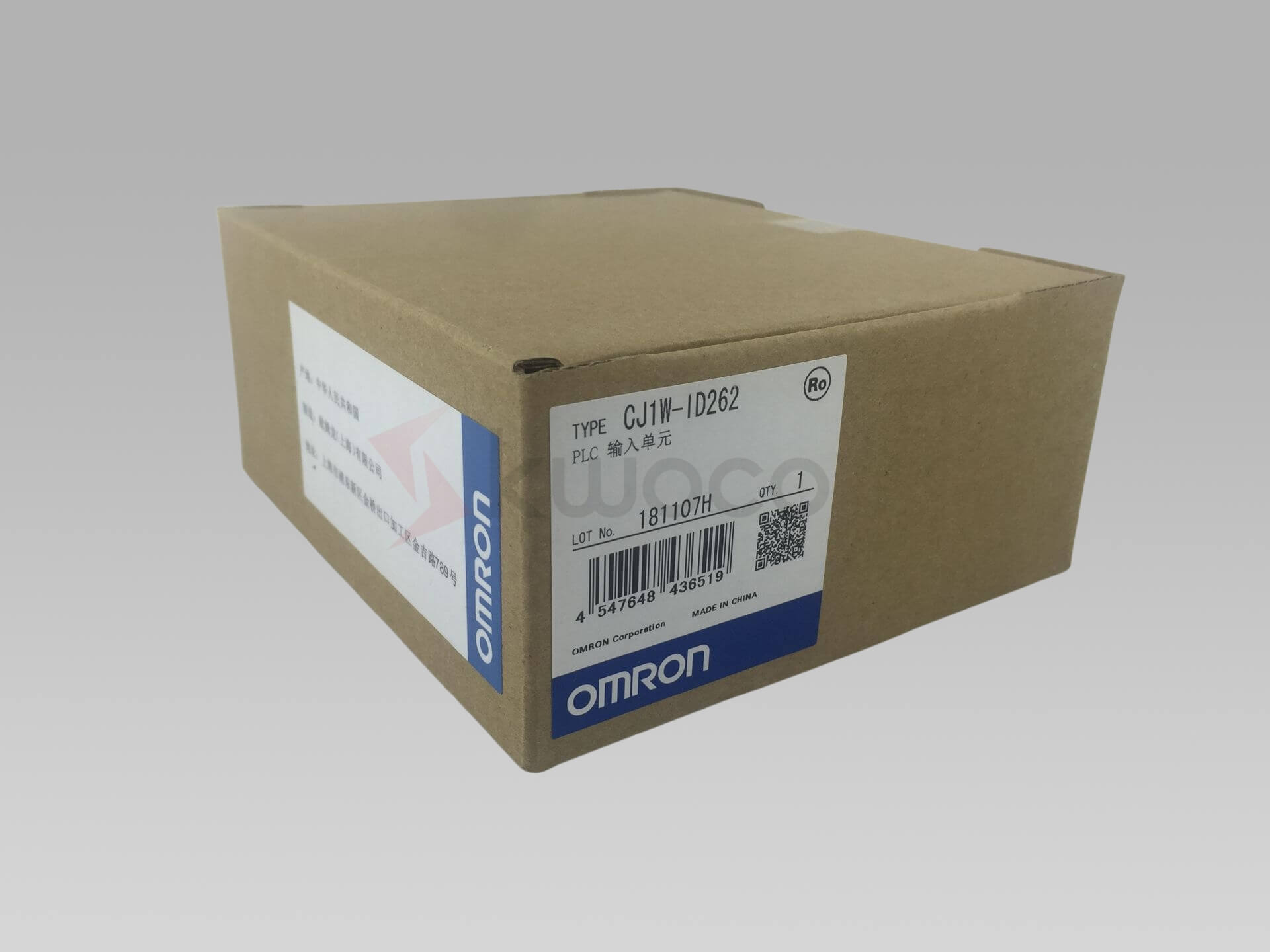
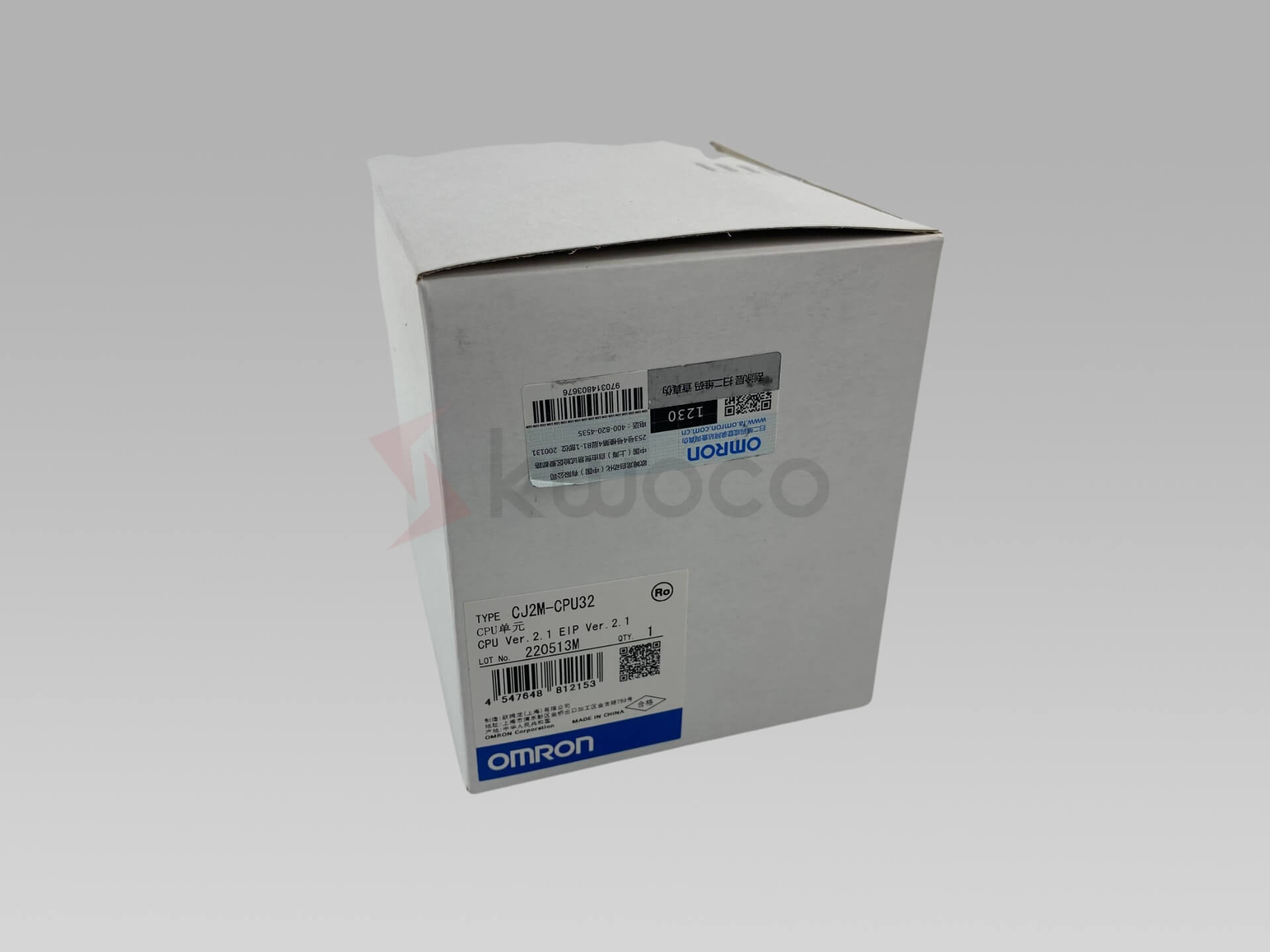
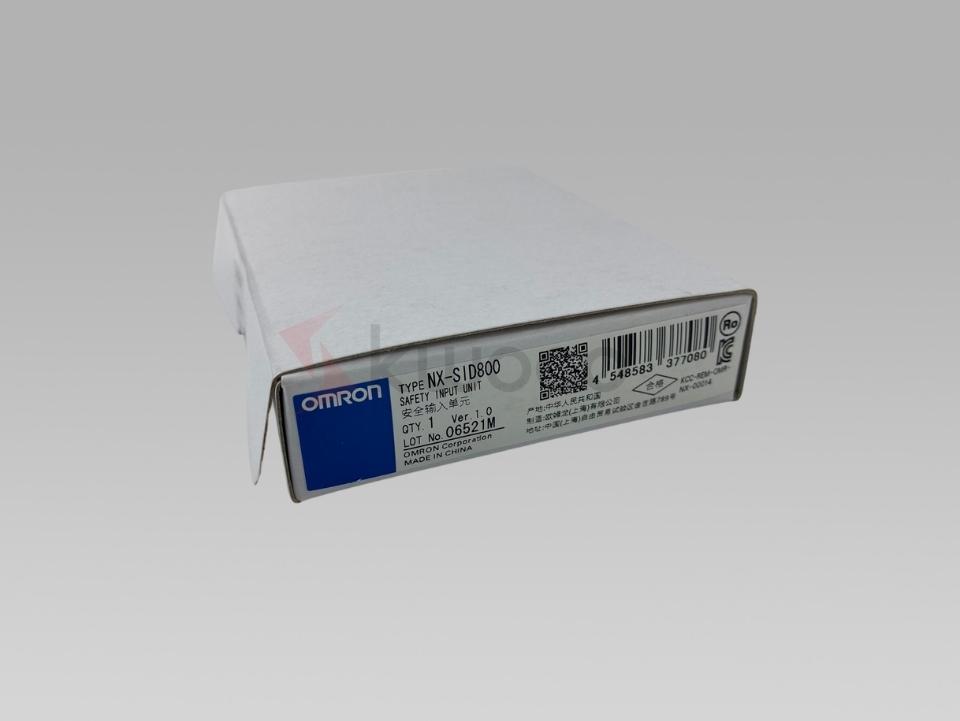
[gtranslate]

Omron PLC Buying Guide for US Buyers

If you source automation parts in the US, Omron is probably not a new name to you. What usually takes time is not deciding whether Omron is a serious brand. It’s deciding which PLC actually fits the job, whether the stock is truly new, and whether the supplier will still be responsive once the order has shipped.

Table of Contents

That’s where most purchasing teams get stuck.

Omron PLCs are used everywhere from packaging machines to conveyors, utility systems, and plant upgrades. In other words, they’re common enough that buyers often assume the decision should be simple. In reality, it rarely is. A PLC order can look straightforward at the quotation stage and still turn into a problem later because the wrong series was chosen, the software wasn’t checked, or the product arrived in condition that didn’t match the listing.

So this guide is not meant to introduce Omron from scratch. It’s meant to help US buyers make a better buying decision, especially when lead times are tight, engineering wants answers quickly, and no one wants to take chances on questionable stock.

Start with the real question

A lot of buyers begin with a model number. That makes sense, but it’s not always enough.

The better starting point is usually the application. Is this a direct replacement? A machine retrofit? A new build? Those are three different situations, and they don’t lead to the same buying decision.

If it’s a replacement, the safest move is often to stay very close to the installed model unless engineering has already approved a change. If it’s a new machine, then the conversation is different. Now you’re not just asking what will work. You’re asking what will make the machine easier to build, support, and expand later.

That distinction matters more than people think. A lot of expensive mistakes begin when a team treats a new design like a replacement order, or the other way around.

The Omron PLC families most buyers actually run into

Most US buyers do not need to know every Omron controller family. In day-to-day purchasing, the same groups tend to come up repeatedly.

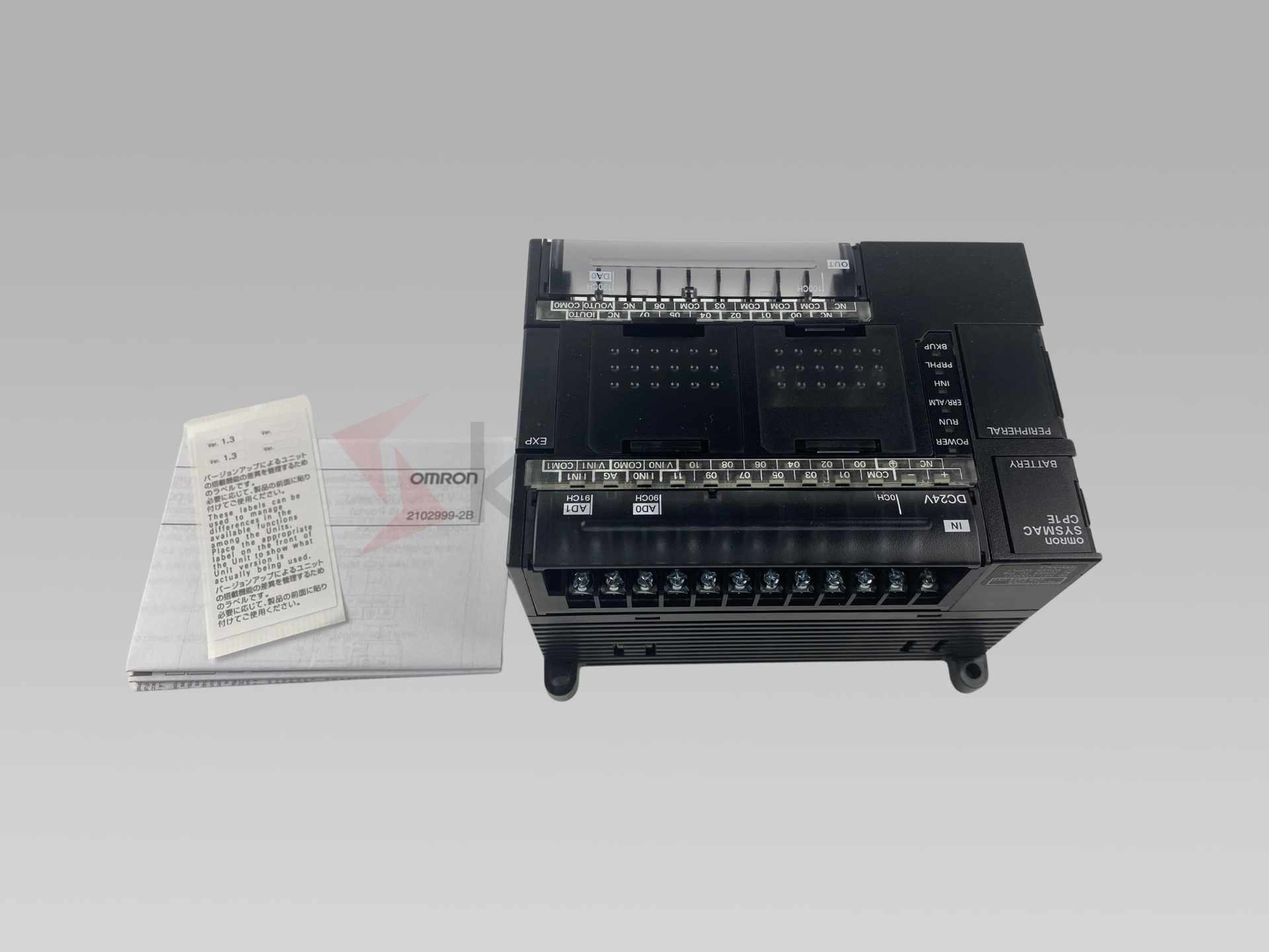
The CP series is usually where the conversation starts for smaller machines or simpler control tasks. If the application is compact and doesn’t need much beyond standard logic and I/O, CP-series models often do the job without making the system more complicated than it needs to be.

The CJ series still shows up often because so many existing systems already use it. That makes it especially common in maintenance work, service jobs, and retrofit projects. When buyers are looking for a CJ-series part, they’re often not trying to optimize a machine. They’re trying to keep one running.

Then there’s the NX and NJ side of the Omron line. Those platforms tend to make more sense in newer machine builds, especially where motion, networking, or tighter system integration matters. If the engineering team is already working in Sysmac Studio, that usually pushes the discussion in this direction.

There isn’t a “best” Omron PLC in the abstract. The right one depends on what the machine needs and what the people supporting it will have to deal with a year from now.

Where buyers usually make the wrong call

In practice, the wrong purchase doesn’t usually happen because someone ignored the brand. It happens because one detail was assumed instead of checked.

Sometimes it’s I/O. The controller looks fine until someone realizes the machine needs more analog points than expected.

Sometimes it’s communication. The PLC gets ordered before anyone confirms what it needs to talk to.

Sometimes it’s software. Purchasing gets the hardware right, but the engineering team later finds out the platform needs a different development environment than the one they’re set up for.

And sometimes the issue is more basic than all of that. The part was described as new, but what arrived looked more like old inventory or repackaged stock.

None of these are unusual problems. That’s exactly why they deserve attention.

What to confirm before you place the order

If you’re buying an Omron PLC, a few checks are worth doing every time, even when the order seems routine.

Make sure the full part number is correct. Not close, not almost the same, but correct. With PLCs, one character can change the specification in a way that matters.

Check the I/O requirements against the actual machine needs, not just the current drawing on hand. If expansion is likely, that should be part of the decision now, not something left for later.

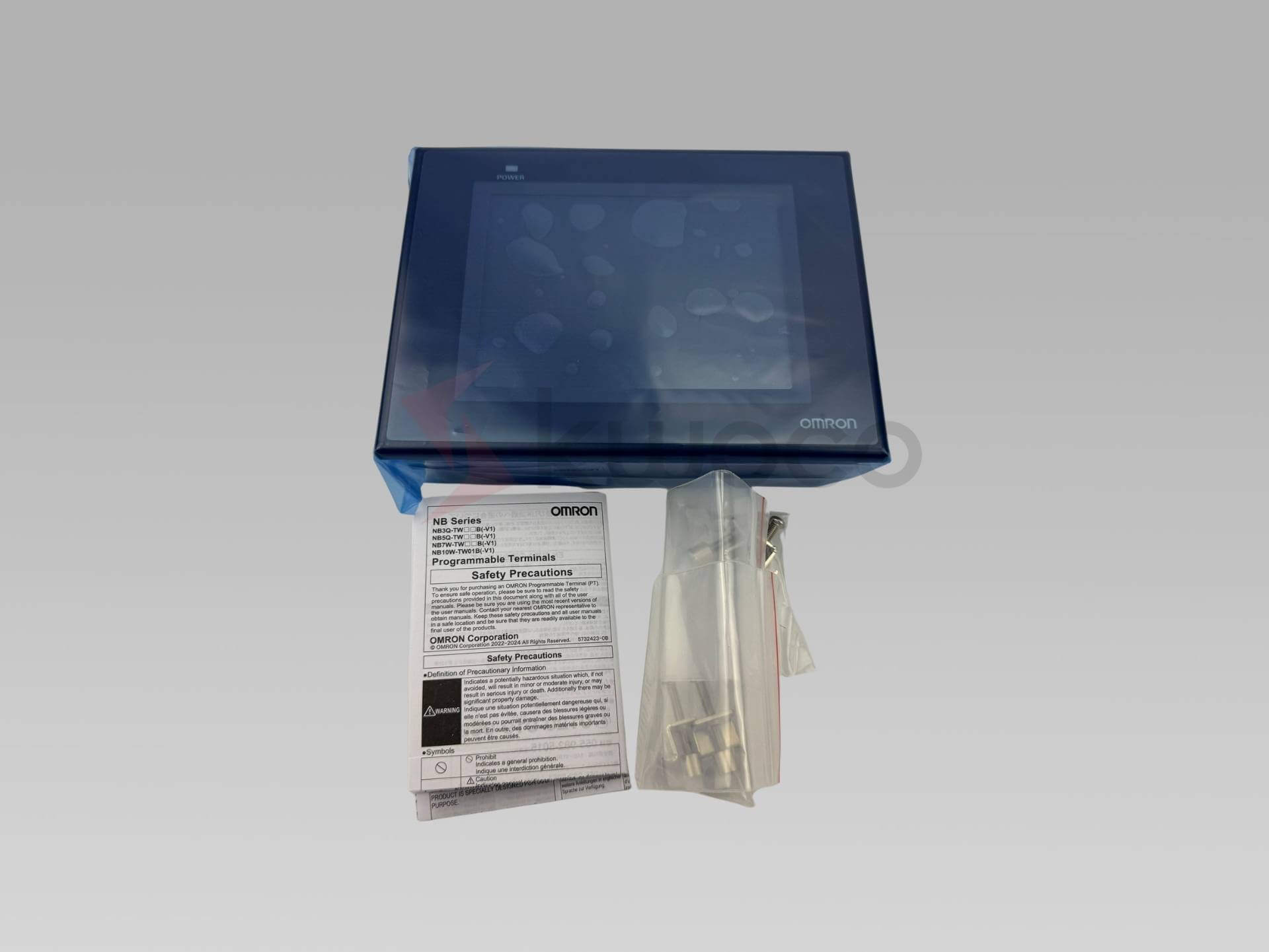
Review communication requirements early. If the PLC needs to work with an HMI, servo system, remote I/O, vision setup, or third-party device, that’s not something to assume.
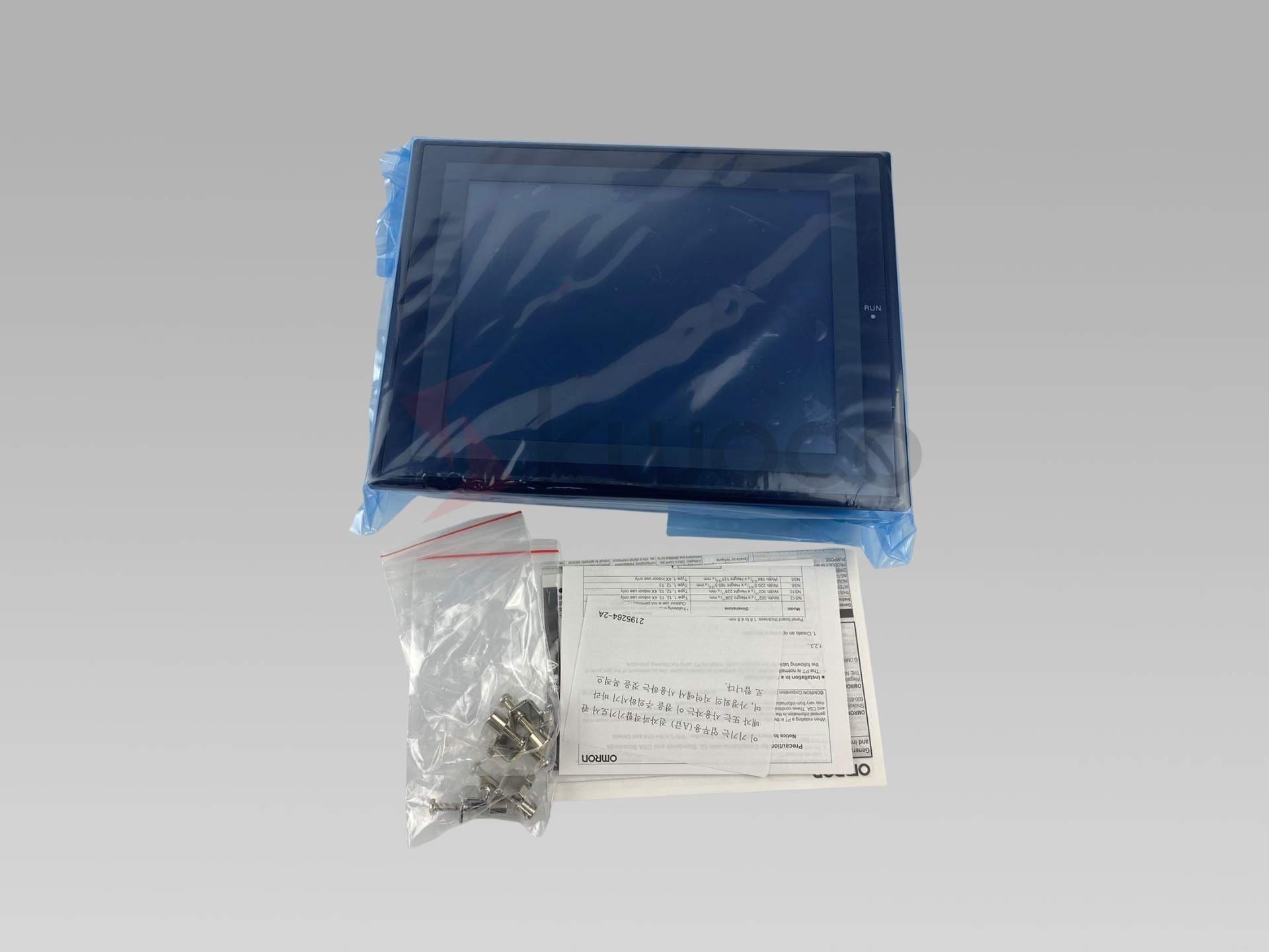
ns8-tv00b-v2

And verify the software environment before the PO goes out. Older Omron families often point to CX-Programmer or CX-One. Newer NX and NJ platforms usually mean Sysmac Studio. That may sound like an engineering issue, but it becomes a purchasing issue very quickly if the wrong platform lands on someone’s desk.

A quick example

Take a packaging machine builder in the US working on a mid-size line. The machine will use an HMI, several sensors, a few servo axes, and there’s a fair chance the end user will ask for modifications later.

If you only compare current I/O and unit price, a smaller compact PLC might look attractive. But that doesn’t necessarily make it the smart choice. If the machine is likely to grow, or if the engineering team already expects more integration work, a controller from the NX platform may be the better long-term fit.

Now compare that with a plant that just needs to replace a failed PLC on an existing line. In that case, the newest platform is not automatically the best answer. Stability and compatibility may matter much more than upgrading to something more modern.

That’s why context matters so much in PLC purchasing. Two buyers can both ask for Omron, and still need completely different answers.

The part buyers worry about most: is it really new?

For many US buyers, this is the issue that sits in the back of every online inquiry.

The market is full of listings that look fine at first glance. The photos are clean, the price is competitive, and the description says “new.” But once supply gets tight, the gap between “listed as new” and “comfortably buyable” gets wider than most people would like.

That’s why experienced buyers tend to ask for proof instead of relying on product pages alone.

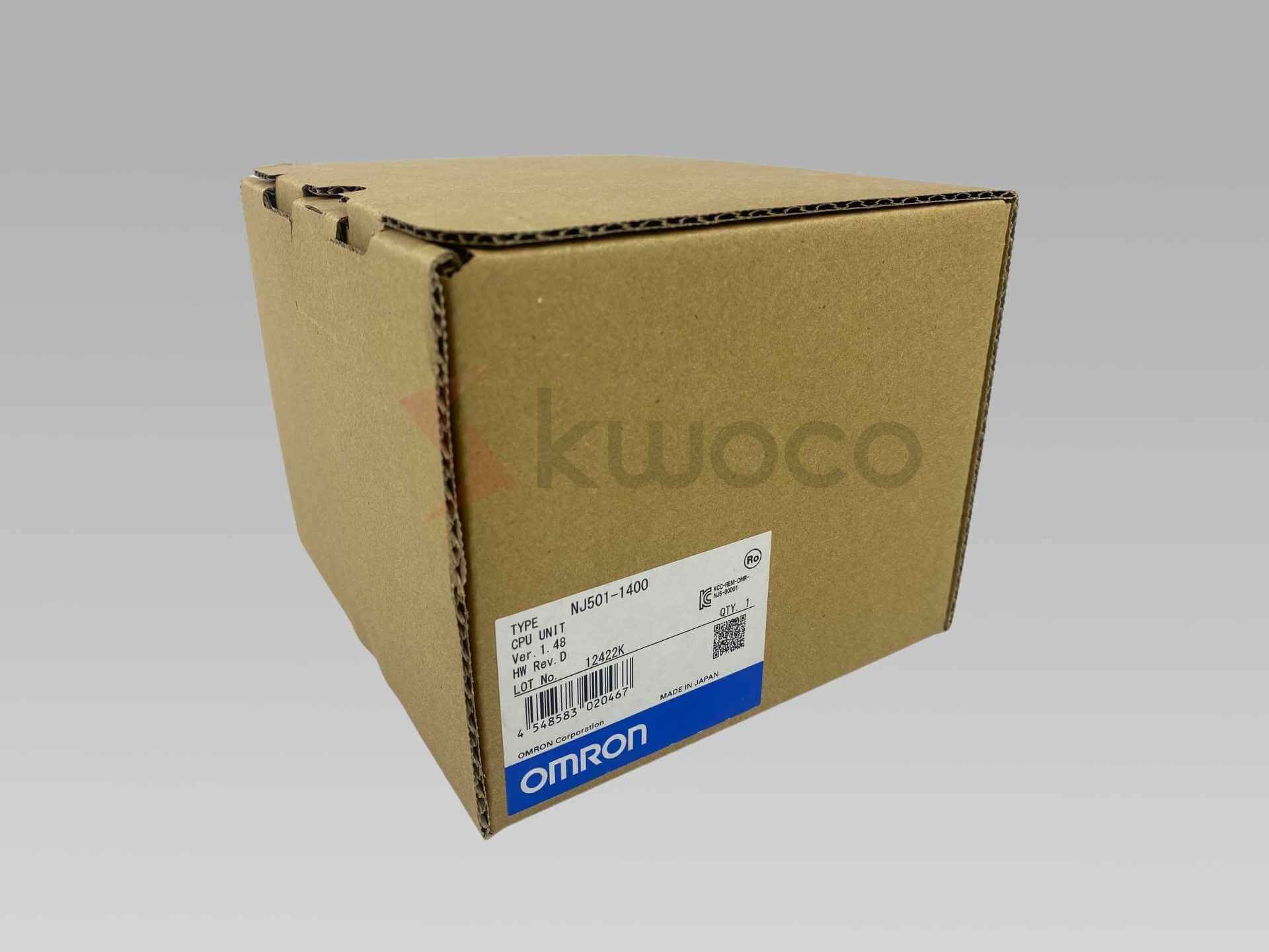
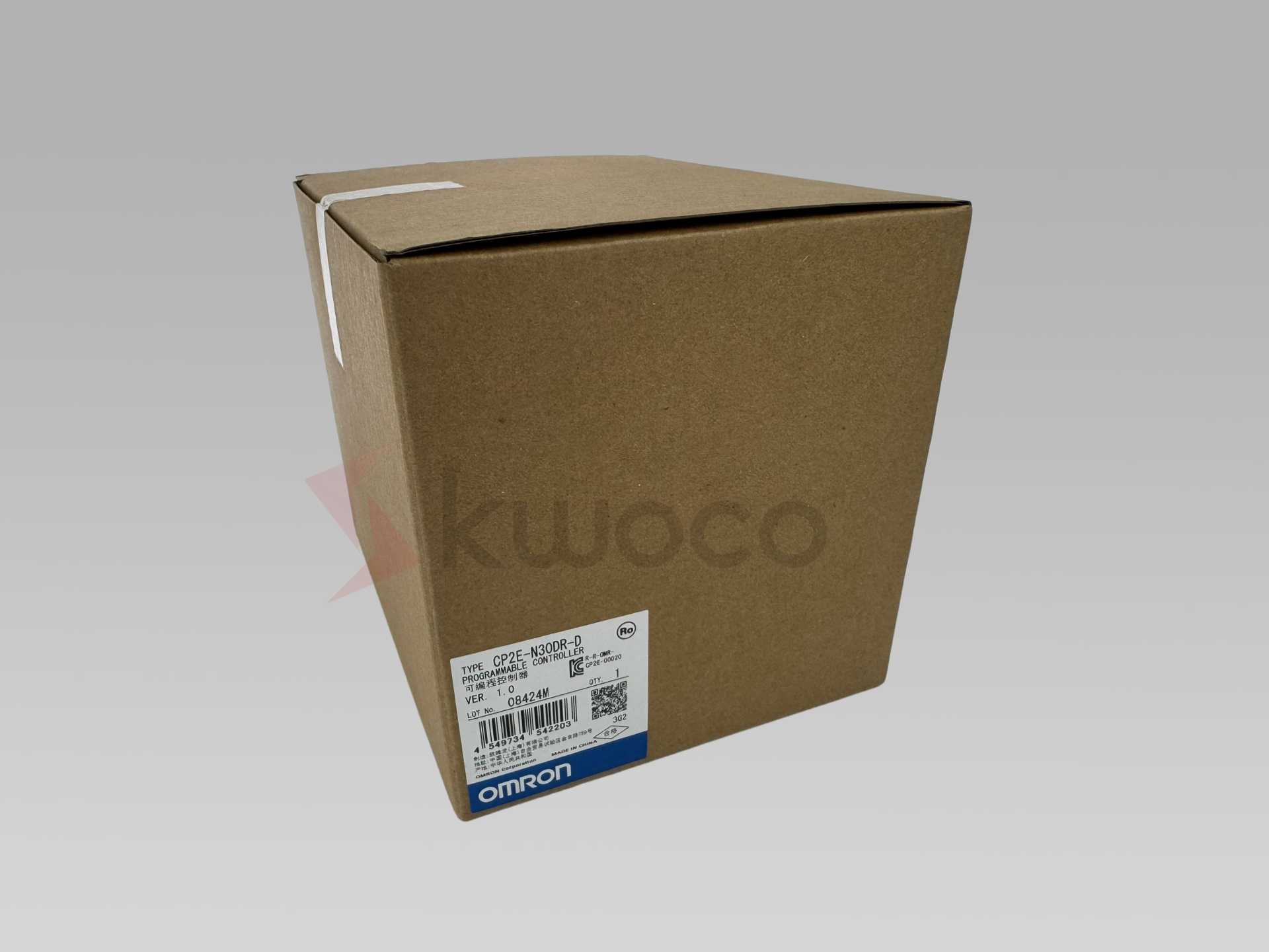
At a minimum, it helps to ask for actual photos of the product, packaging images, written confirmation of condition, stock status, and clear warranty or DOA handling. A supplier who is used to working with industrial buyers should not find those questions unusual. If anything, they should expect them.

In this business, buyers are not being difficult when they ask for verification. They’re doing what they’re supposed to do.

Buying from overseas is no longer unusual

A lot of US companies still prefer local stock when it’s available and priced reasonably. That hasn’t changed. What has changed is that more buyers are now willing to source internationally when domestic lead times stretch too far or certain models become hard to get.

That can work perfectly well, but it depends heavily on the supplier’s process.

A good overseas supplier doesn’t just send a quotation and disappear. They should be able to confirm whether the stock is physically available, show the actual product if needed, explain how the shipment will be packed, and stay reasonably responsive after the order is placed.

That’s also where a company like KWOCO can make practical sense for some buyers. Not because it needs to be presented as the only option, but because many project purchases are not limited to one Omron PLC. Buyers often need a mix of brands and categories at the same time. If a supplier can quote Omron along with HMI, servo, sensors, and related parts, and do it clearly, that tends to reduce friction for the purchasing team. In real project work, that kind of coordination is often more useful than a hard sell.

Japanese listed company partnership

Kwoco collaborated with a prestigious Japanese listed company, delivering high-quality industrial control products on time and exceeding quality expectations. 

U.S. Engineering Collaborations

Our partnership with a U.S.-based engineering firm highlights our commitment to quality and timeliness, leading to a seamless project execution.

Why the cheapest quote can become the expensive one

This is something most experienced buyers have seen at least once.

A quote comes in below market. At first, it looks like a win. Then the questions start. The stock photos are generic. The answers about packaging are vague. Lead time somehow changes after the order discussion begins. Or the product arrives and no one feels completely comfortable with what’s in the box.

By that point, the original savings often don’t matter much.

In automation purchasing, price still matters, of course. But price only has value when the part is correct, usable, and backed by someone who answers emails after payment. Otherwise, the low number was never the real cost.

A better RFQ usually gets a better answer

One small thing that helps more than people expect is sending a more complete RFQ from the start.

If possible, include the full model number, quantity, shipping destination, required timeline, and whether the order is for replacement or a new build. It also helps to mention if alternatives are acceptable, or if you need related products quoted at the same time.

That last part is especially useful. Many suppliers can quote one line item. Fewer can support the broader picture when the project includes PLC, HMI, servo, sensors, cable, and maybe another brand or two. Buyers usually notice the difference pretty quickly.

So what should a US buyer do?

Usually, the most sensible approach is also the least dramatic one.

Start with the application. Confirm whether you’re replacing an existing system or specifying for a new one. Check I/O, communication, and software before the order is finalized. Ask for proof of condition if the stock is coming from a new supplier. And when you compare quotes, compare the process behind the quote, not just the number at the bottom.

That approach is not clever or complicated. It’s just solid purchasing discipline. And in industrial automation, that discipline tends to save more time than people realize.

Frequently Asked Questions

Ask for photos of the actual unit and its packaging, not only a product image taken from a catalog. It also helps to get written confirmation of condition and clear warranty terms before payment.

For basic control tasks, a CP-series PLC is often a practical choice. If the machine needs more networking, coordination, or motion-related functions, an NX platform may be more suitable.

It depends on the product family. Many older models use CX-Programmer or CX-One, while newer NX and NJ controllers are usually programmed through Sysmac Studio.

It can be, provided the supplier is transparent about stock, condition, shipping, and after-sales handling. Geography matters less than process and communication.

For larger projects, that often makes purchasing easier. A supplier that can support Omron PLCs along with HMI, servo, sensors, and other related parts can reduce coordination work and help avoid split-shipment delays.

Power your projects with brand-new, original Omron, Mitsubishi, Schneider PLC– in stock, ready now!

Conclusion

Most PLC buying problems don’t begin with one big mistake. They begin with a few small assumptions. Someone assumes the model is close enough. Someone assumes the software won’t be an issue. Someone assumes “new” means the same thing to every seller.

Those assumptions are what usually cost time.

The buyers who tend to get the best results are the ones who slow down just enough to verify the details, especially when the project feels urgent. That may not sound exciting, but it’s usually what keeps the project on track.

Contact Us

Just fill out your name, email address, and a brief description of your inquiry in this form. We will contact you within 24 hours.

You May Also Find These Topics Interesting

Photoelectric Sensor Types

Comprehensive Guide to Photoelectric Sensor Types in Industrial Automation

This article delves into the fascinating world of photoelectric sensors, exploring their various types, functionalities, and applications in industrial automation. We aim to provide a comprehensive understanding of how these detectors are transforming manufacturing processes, enhancing efficiency, and ensuring precision. If you’re involved in the machinery and equipment industry, manufacturing, or providing factory solutions, this article offers valuable insights into leveraging photoelectric sensor technology for your operations, and it explains why reading further will equip you with the knowledge to optimize your automation strategies.

Read More »

Ask For A Quick Quote

*we respect your confidentiality and all information are protected.