
Getting a quote is rarely the hard part. The headache starts when the box actually arrives at your facility, and you realize you just paid premium pricing for a refurbished PLC dressed up as “new original” stock. Before you ever send a payment overseas, you need to know exactly what you are buying.
Demand Real Carton Photos
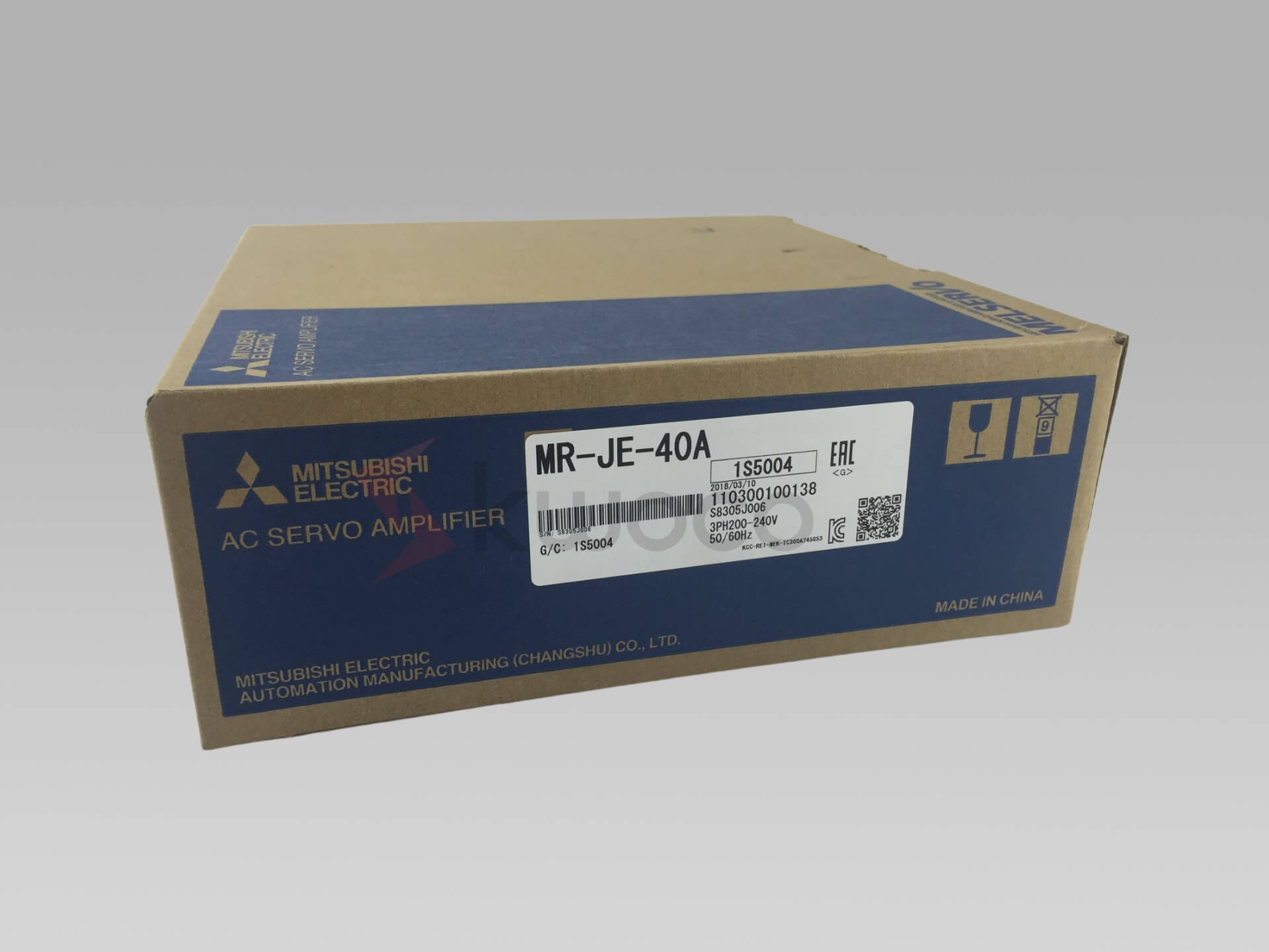
I see procurement teams get burned by this constantly. Never accept a slick stock image downloaded from a catalog. You want a raw, unedited photo of the actual Omron carton sitting on their warehouse shelf. Have the vendor stick a piece of paper on the box with your company name and today’s date.
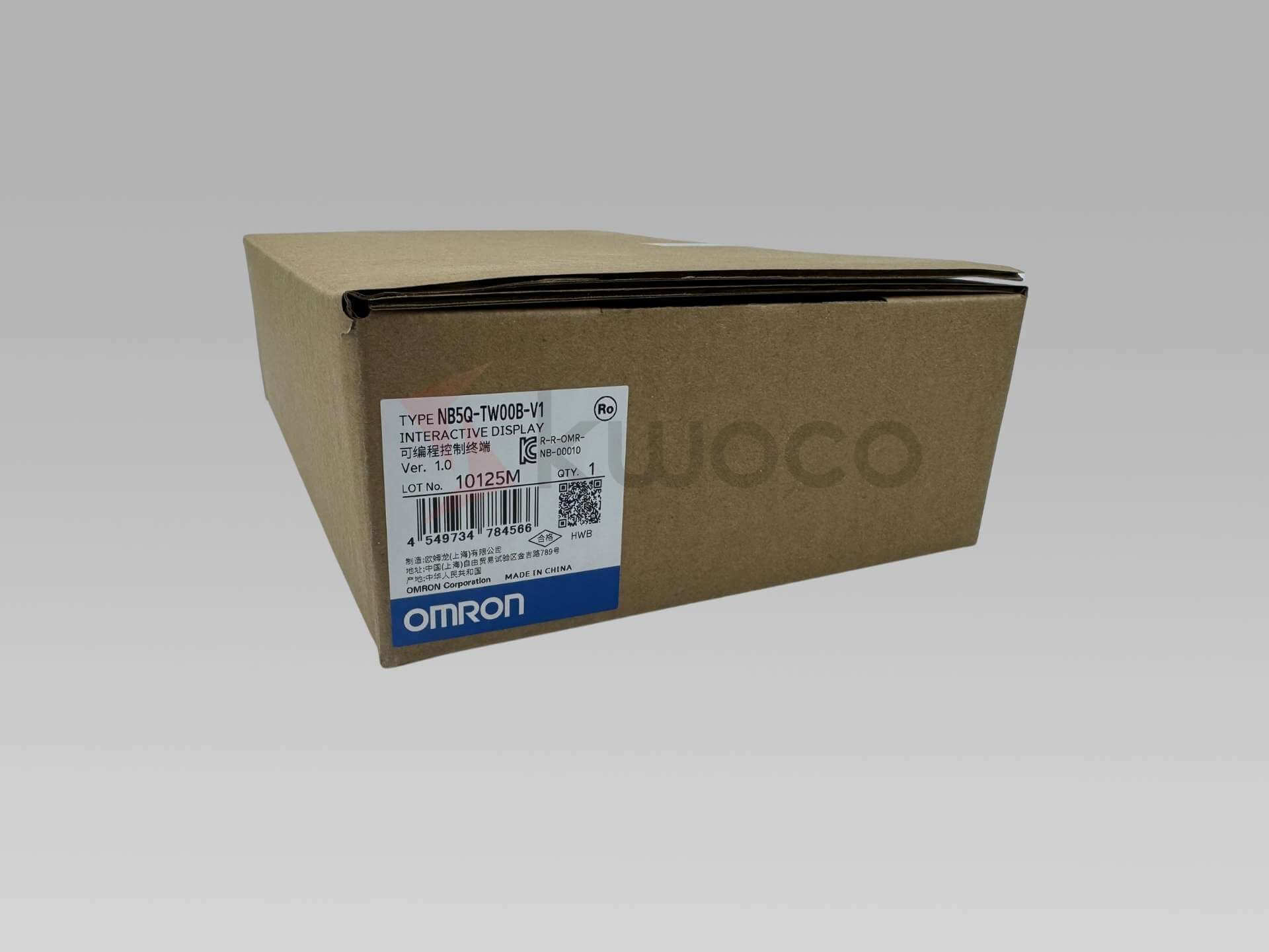
If the sales rep starts making excuses about warehouse security policies or takes three days to send a blurry smartphone picture, walk away. They don’t have the parts. They are just brokering—trying to source the item from a third party after you placed the order. That’s usually where lead time delays and quality problems start.
Check the Omron Factory Seal
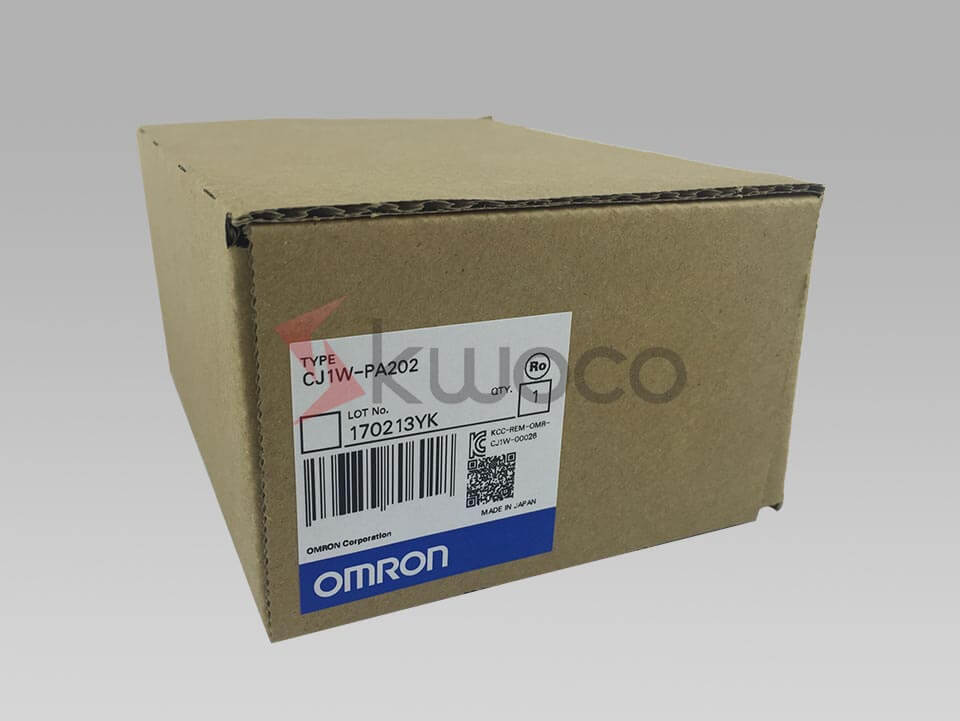
Even if they do send a photo, look closely at the label. Genuine Omron packaging has a specific factory seal. In the automation industry, an open box is a used box.
You have no idea if someone handled the pins without ESD protection, swapped the internal module, or compromised the hardware. Don’t accept units where the seal is broken, even if the supplier swears the item was “never powered on.”
Decode the Lot Number
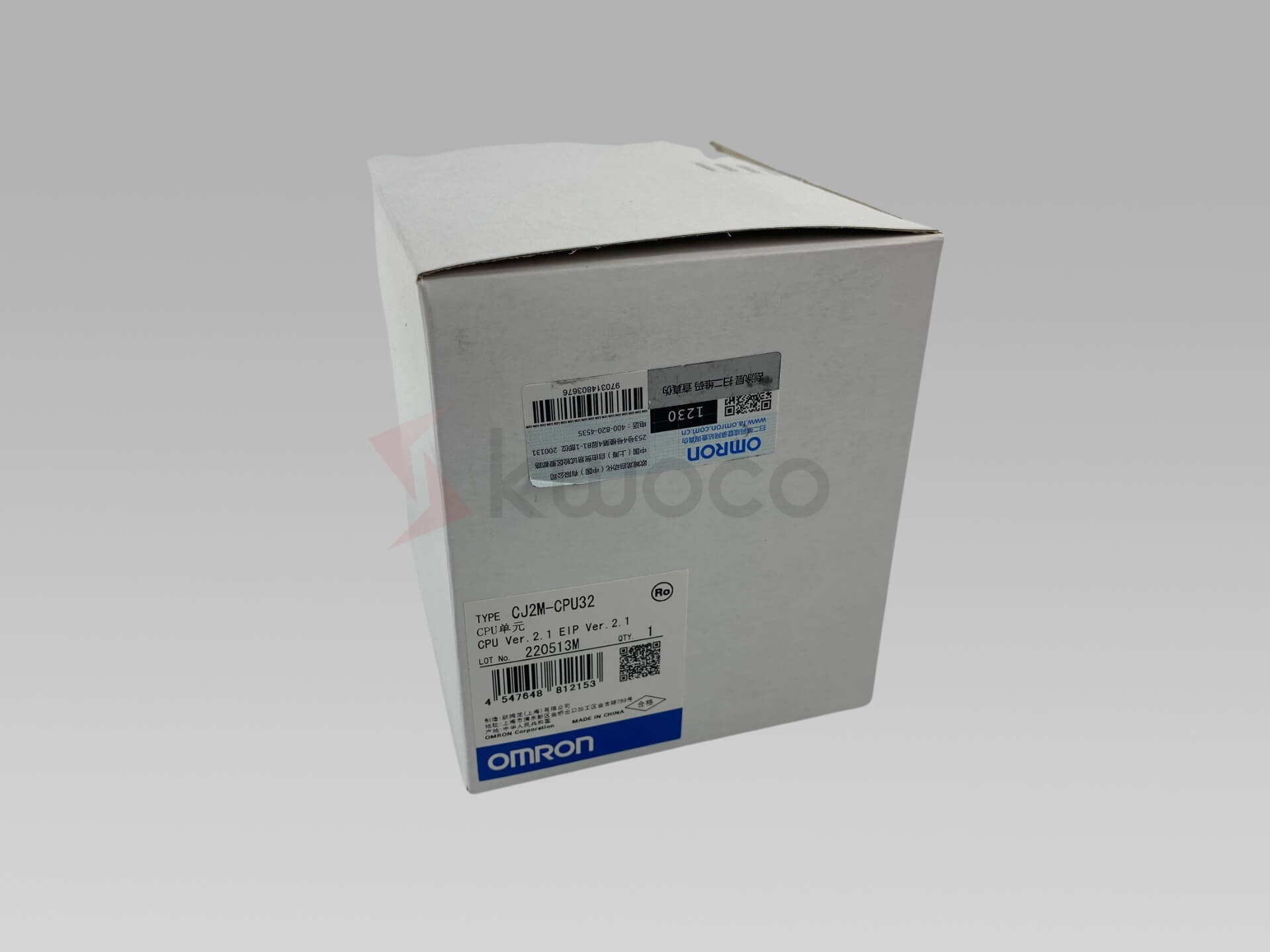
The numbers printed on the side aren’t random. The Omron lot code tells you the exact manufacturing date. A supplier might claim a unit is brand new, but if that lot code shows it rolled off the line six years ago, you are buying aged surplus.
Factory-sealed surplus can work perfectly fine, but internal components like backup batteries degrade over time. You shouldn’t be paying current-year factory prices for old stock.
Watch Out for the “Testing” Excuse
Here is a specific response that should immediately kill the deal. You agree on price, and the supplier says, “Great, we just need two days to test the controller to ensure quality before shipping.”
Brand new PLCs are factory-tested. Nobody breaks the seal on a fresh Omron CJ2M just to make sure it powers on. If a vendor tells you this, they are almost certainly selling a repaired “pull-out” from a decommissioned machine and want to confirm it actually boots up before putting it on a DHL plane.
Matching Hardware and Firmware Revisions
The engineering side of the house cares heavily about the exact hardware version. On replacement jobs, small mismatches matter more than people expect.
If your maintenance team is doing a straight swap on a broken panel, receiving Rev 1.2 instead of 1.4 can cause serious compatibility headaches with Sysmac Studio or CX-Programmer.
Buyers tend to notice this detail only after the quotation stage, leading to a useless part sitting on the plant floor. Always ask for a photo of the revision number.

How to Solve PLC Communication Problems
How to Solve PLC Communication Problems Programmable Logic Controllers (PLCs) are the backbone of modern industrial automation. They are specialized
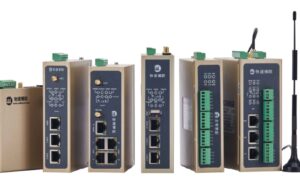
Why Cheap PLC Gateways Fail: 2026 Buying Guide
Honestly, every time we scroll through automation forums and see someone asking for “the absolute cheapest PLC gateway on the market,” our hearts skip a beat.
Buying equipment solely based on the lowest price will likely lead to regret, such as encountering problems connecting to the network.
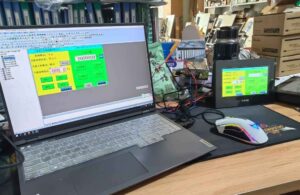
What is PLC Programming? An Introductory Tutorial on PLC Programming
In modern commercial production, PLC (Programmable Logic Controller) programs has actually turned into one of the essential automation innovations. PLCs are widely utilized in industrial automation control systems, and their performance, integrity, and versatility have actually efficiently replaced typical relay control systems.