
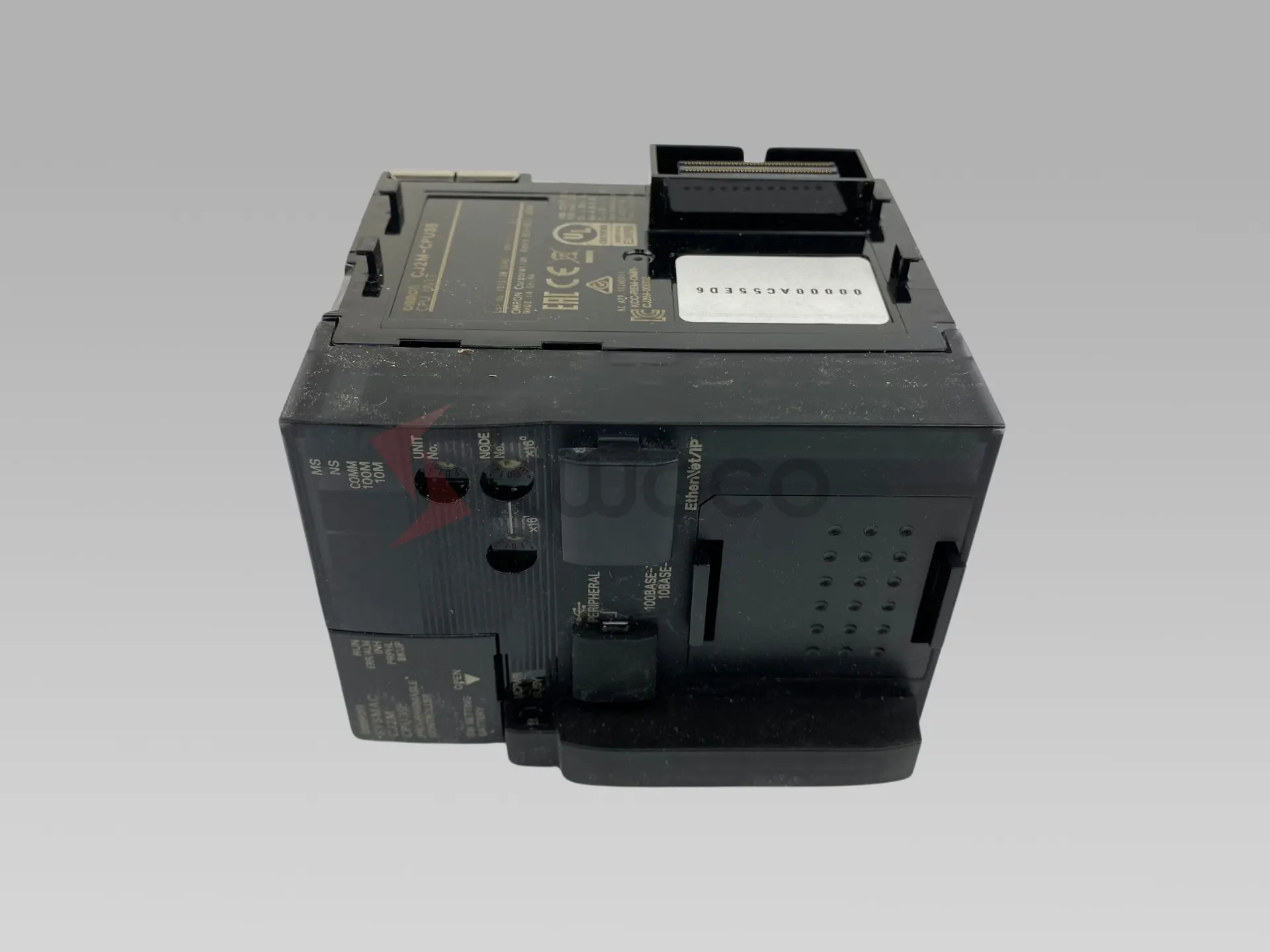

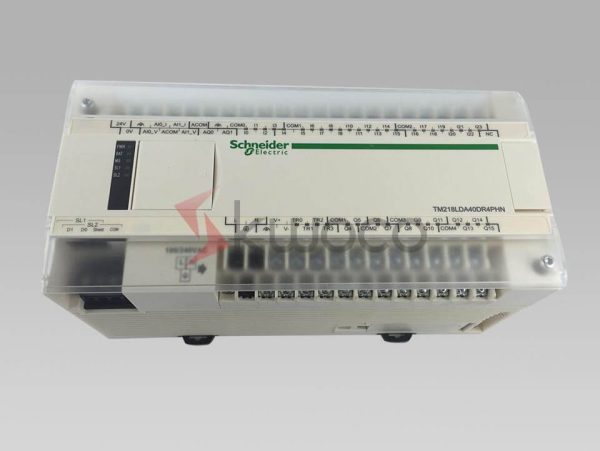
Classification of PLCs
PLCs can be categorized in several methods depending on dimension, control method, cpu kind, and application requirements. Below is a structured overview:
| Classification | Categories | Example Use Cases |
| By Scale | Small, Medium, Large | Packaging lines (small), Automotive assembly (medium), Steel plants (large) |
| By Control Mode | Traditional PLC, Fieldbus PLC, Distributed PLC, Smart PLC | Process industries, remote control, intelligent manufacturing |
| By Processor | Microcontroller-based, Microprocessor-based | Low-cost compact systems vs. high-performance systems |
| By Data Handling | Discrete, Analog, Hybrid | Digital signal processing, real-time monitoring |
| By I/O Capacity | Low, Medium, High | Simple machines vs. complex automated plants |
| By Networking | Ethernet-enabled, Bus communication-enabled | Smart factories with real-time monitoring |
This classification illustrates how PLCs are adaptable across industries, from simple conveyor systems to highly integrated smart factories.
Key Features of PLCs
- High Reliability – Designed with robust hardware, PLCs can withstand vibration, electromagnetic interference, and harsh industrial conditions.
- Stable Operation – Once programmed, PLCs maintain consistent performance, ensuring minimal downtime.
- Ease of Programming – With user-friendly programming languages like Ladder Logic and Function Block Diagrams (FBD), engineers can quickly configure systems.
- Modular Maintenance – Components are designed for easy replacement and monitoring, reducing repair times.
- Strong Adaptability – PLCs fit into diverse applications, from discrete manufacturing to process automation.
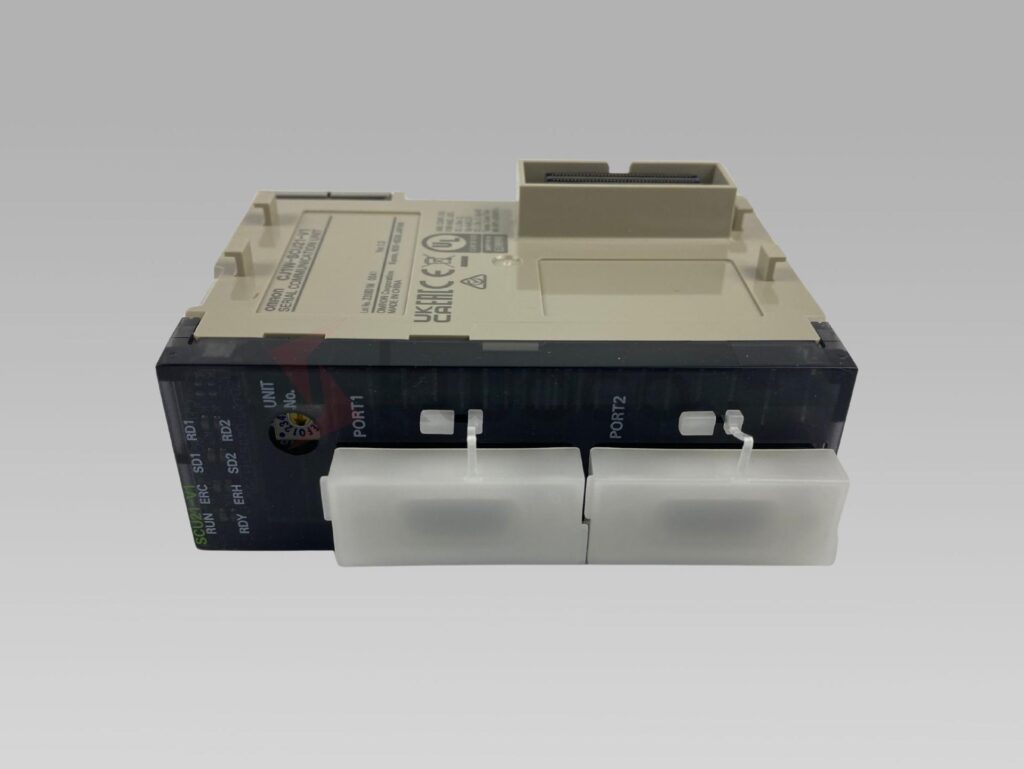
Market Trends and Technological Innovations
The continual advancement of PLCs is forming the automation industry in extensive means:
- Combination with IoT and Cloud : Modern PLCs are no longer standalone devices but component of a linked ecological community. They allow remote tracking and anticipating upkeep , enhancing effectiveness and lowering costs.
- Miniaturization and Expense Decrease : Developments in microprocessors and microcontrollers have made PLCs a lot more powerful while reducing costs, opening up opportunities for tiny and mid-sized enterprises .
- Cybersecurity Problems : As PLCs integrate with networks, cybersecurity ends up being a critical issue. Makers like Omron and Mitsubishi are embedding stronger safety procedures in their brand-new PLC versions.
PLC vs. Other Control Solutions.
To much better understand the duty of PLCs, allow’s contrast them with traditional relay reasoning and Dispersed Control Solution (DCS):
| Feature | PLC | Relay Logic | DCS |
| Flexibility | High – reprogrammable | Low – requires rewiring | Medium – scalable but costly |
| Cost | Moderate | Low | High |
| Complexity Handling | Excellent | Poor | Excellent |
| Maintenance | Easy | Hard – rewiring needed | Moderate |
| Scalability | High | Very limited | High |
This table shows why PLCs control industrial automation , striking a balance between versatility, performance, and cost.
Real-World Applications
- Automotive Market — Production line automation, robot welding, and quality examinations.
- Food & Beverage — Product packaging, labeling, and procedure control.
- Energy Sector — Power distribution, oil and gas boring, renewable energy combination.
- Pharmaceuticals — Precision dosing, production monitoring, and regulative conformity.
Difficulties and Factors to consider
Despite their advantages, PLCs face difficulties:
- Initial Investment Costs : Larger PLC systems can be pricey.
- Educating Requirements : Engineers need to understand shows languages and procedures.
- Assimilation Complexity : Attaching PLCs with heritage equipment might need added effort.
Nevertheless, with the global shift towards electronic production , these challenges are outweighed by long-lasting efficiency gains.
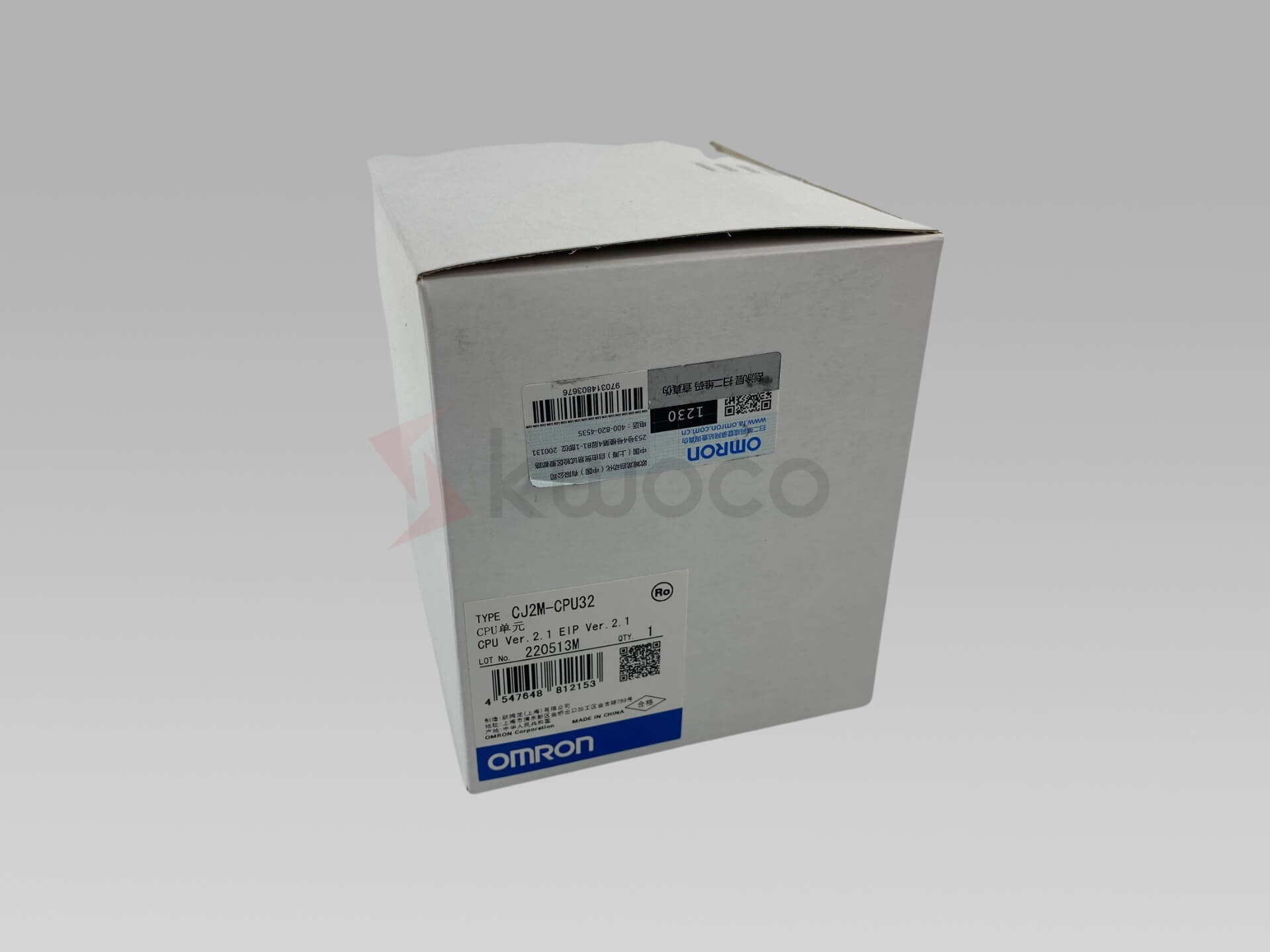

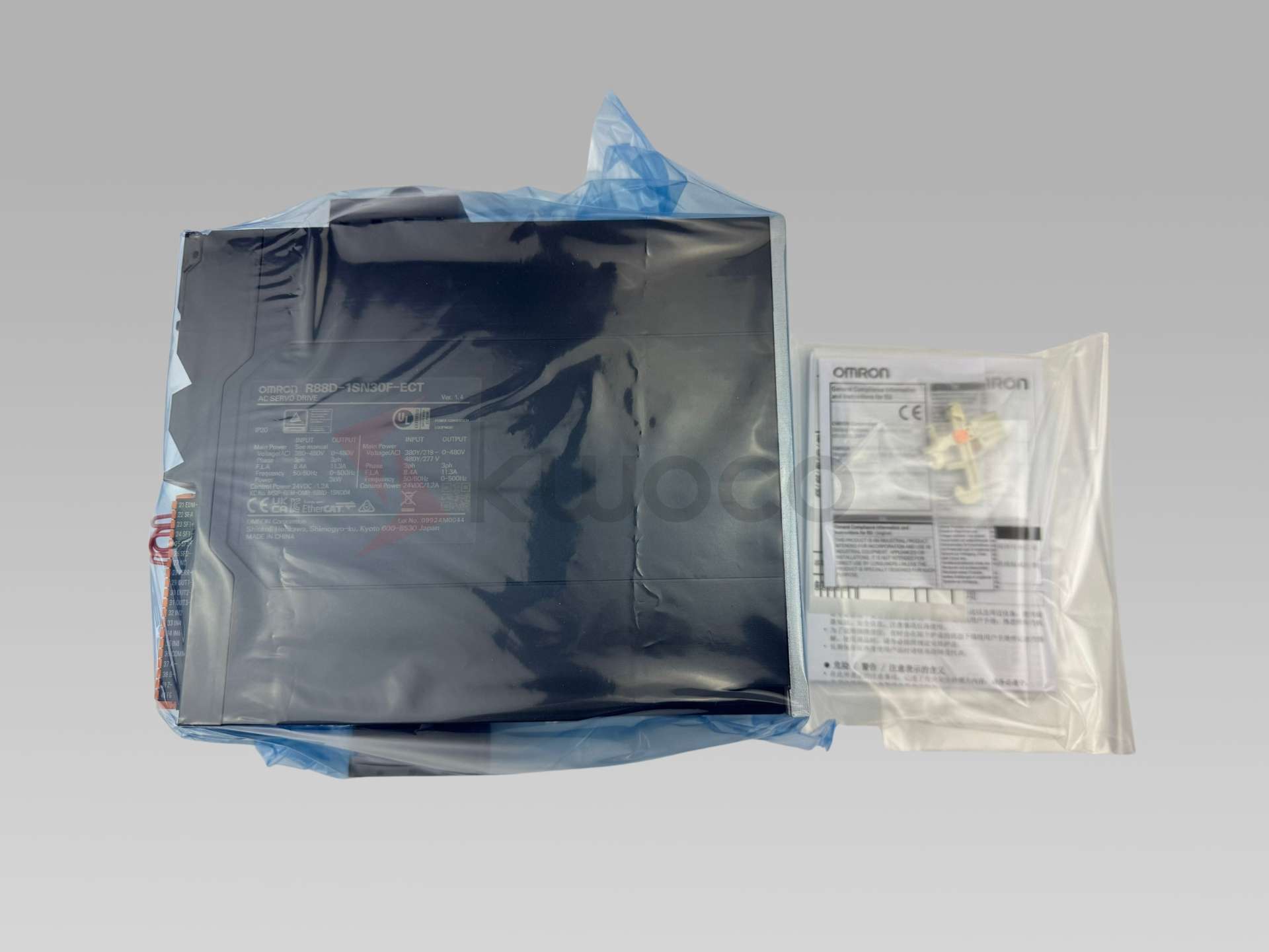
Common Faults and Troubleshooting of Omron PLC
As a global leader in automation solutions, Omron provides a comprehensive range of Programmable Logic Controllers (PLCs), including the classic CP series, the powerful CJ series, and the future-oriented NX/NJ series. These controllers are widely deployed across diverse industries such as manufacturing, packaging, logistics, and energy. Serving as the “brain” of automated systems, Omron PLCs execute control logic with precision and coordinate the operation of various components.
Mitsubishi FR-D700 Inverter Fault Codes Explained
When a Mitsubishi FR-D700 inverter displays E.OC1, E.OV3, or E.THM, the code identifies the protective function that stopped the drive. It does not always identify the failed component.
Complete Guide to Photoelectric Sensor Wiring and Troubleshooting
Are you struggling with photoelectric sensor installation and configuration? This comprehensive guide will walk you through everything you need to know about wiring, setting up, and troubleshooting photoelectric sensors in industrial automation applications.