What is Ethernet/IP? Understanding the Industrial Protocol
This comprehensive guide will walk you through everything you need to know about this vital communication protocol, from its basic principles to advanced applications in modern factory environments.
Table of Contents
What is EtherNet/IP and Why is it Important for Industrial Automation?
EtherNet/IP is a network protocol that combines standard Ethernet technology with the Common Industrial Protocol (CIP) to create a robust communication solution for industrial automation. As an implementation of CIP over Ethernet, it provides a unified communication architecture throughout the industrial environment.
The protocol operates on both TCP and UDP transport layers, making it versatile for different types of industrial communications. Unlike traditional Ethernet used in office environments, EtherNet/IP is specifically designed to handle the demanding requirements of factory floor operations.
Learn more about industrial automation systems and how they integrate with EtherNet/IP networks.
How Does EtherNet/IP Work in the Industrial Internet of Things?
EtherNet/IP leverages the OSI model and operates primarily at the application layer, while utilizing standard Ethernet infrastructure at the physical layer. This protocol creates a seamless bridge between industrial devices and enterprise networks, enabling:
- Real-time data exchange between automation devices
- Secure communication across the factory floor
- Integration with existing Ethernet networks
- Support for both cyclic and acyclic data transfer
Discover how PLCs utilize EtherNet/IP for seamless communication in modern manufacturing.
What Are the Key Components of an EtherNet/IP Network?
An EtherNet/IP network consists of two main types of devices:
- Scanner Devices
- Typically controllers like PLCs
- Initiate communication
- Manage data exchange
- Adapter Devices
- Field devices and sensors
- Respond to scanner requests
- Process control inputs/outputs
Explore various industrial protocols and networks used in manufacturing.
What Makes EtherNet/IP Different from Other Industrial Protocols?
EtherNet/IP stands out from other industrial protocols like Modbus TCP for several reasons:
| Feature | EtherNet/IP | Traditional Protocols |
|---|---|---|
| Speed | High-speed (up to 1 Gbps) | Often limited to lower speeds |
| Integration | Seamless IT/OT integration | Limited integration capabilities |
| Scalability | Highly scalable | Limited scalability |
| Security | Advanced security features | Basic security features |
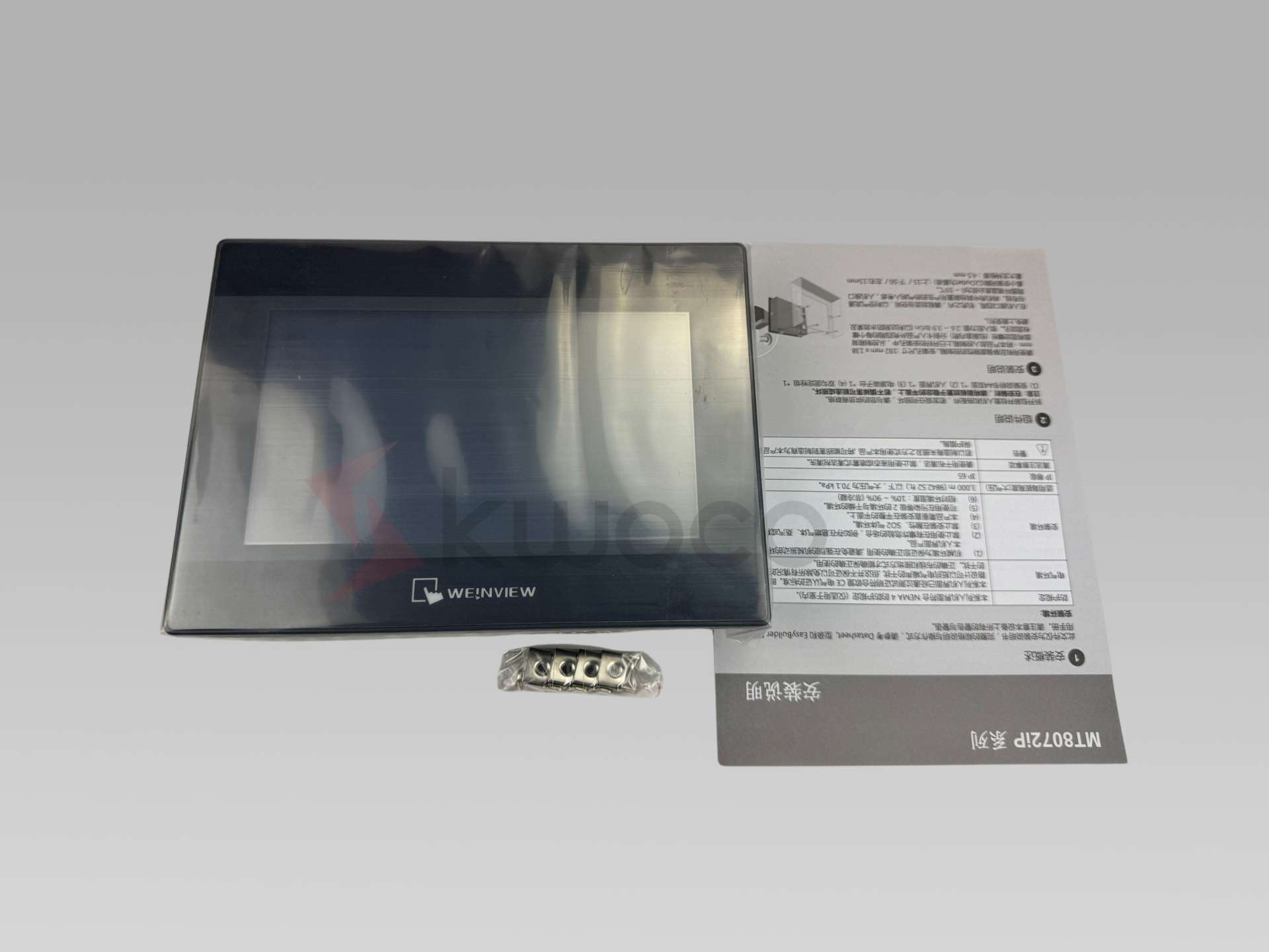
Learn about HMI integration with EtherNet/IP for enhanced operator interfaces.
How to Implement EtherNet/IP in Your Factory?
Implementing EtherNet/IP requires careful planning and consideration of several factors:
- Network Configuration
- Proper IP addressing scheme
- VLAN segmentation
- Quality of Service (QoS) settings
- Device Selection
- Compatible PLCs and controllers
- Supported field devices
- Network infrastructure components
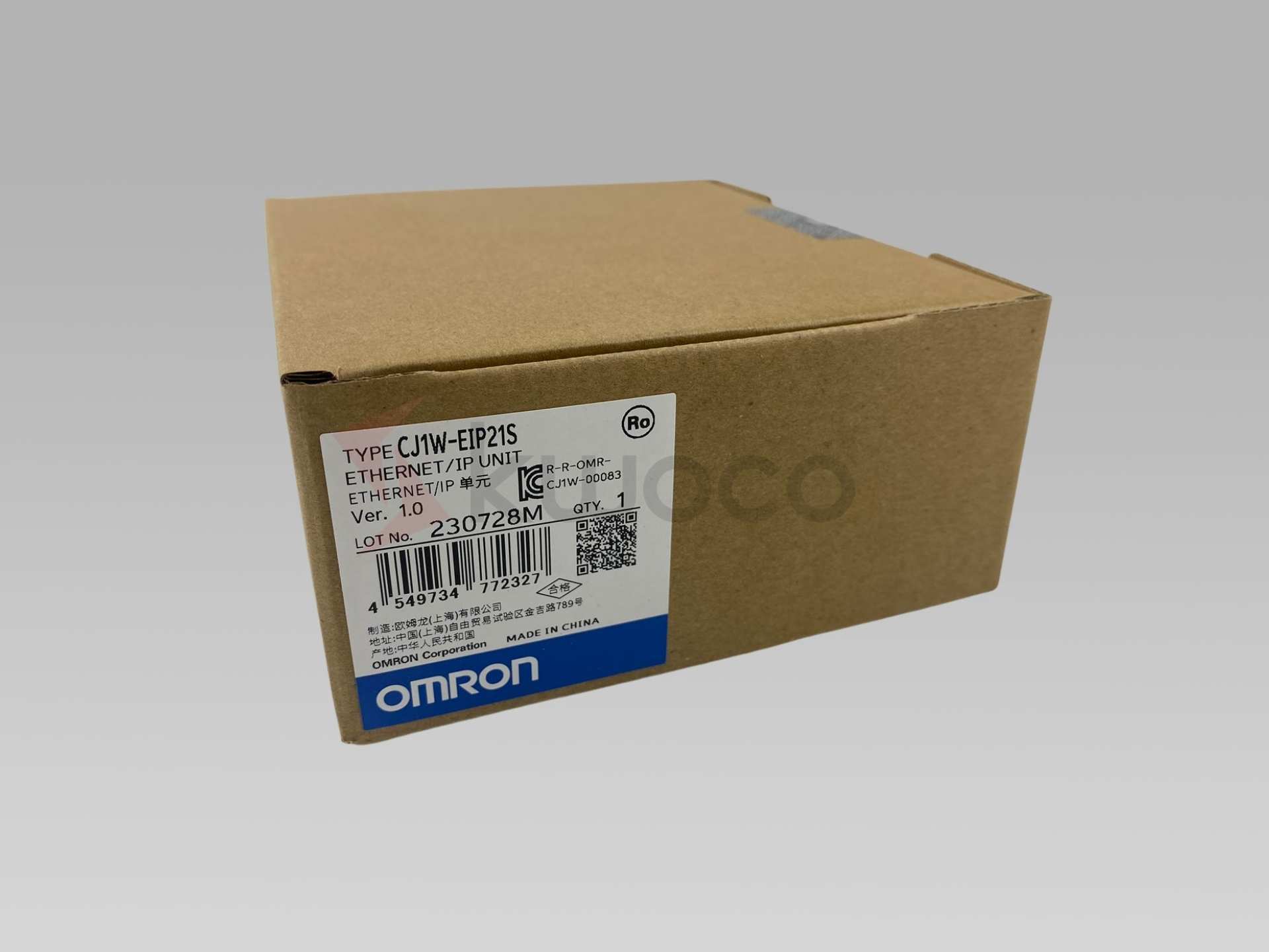
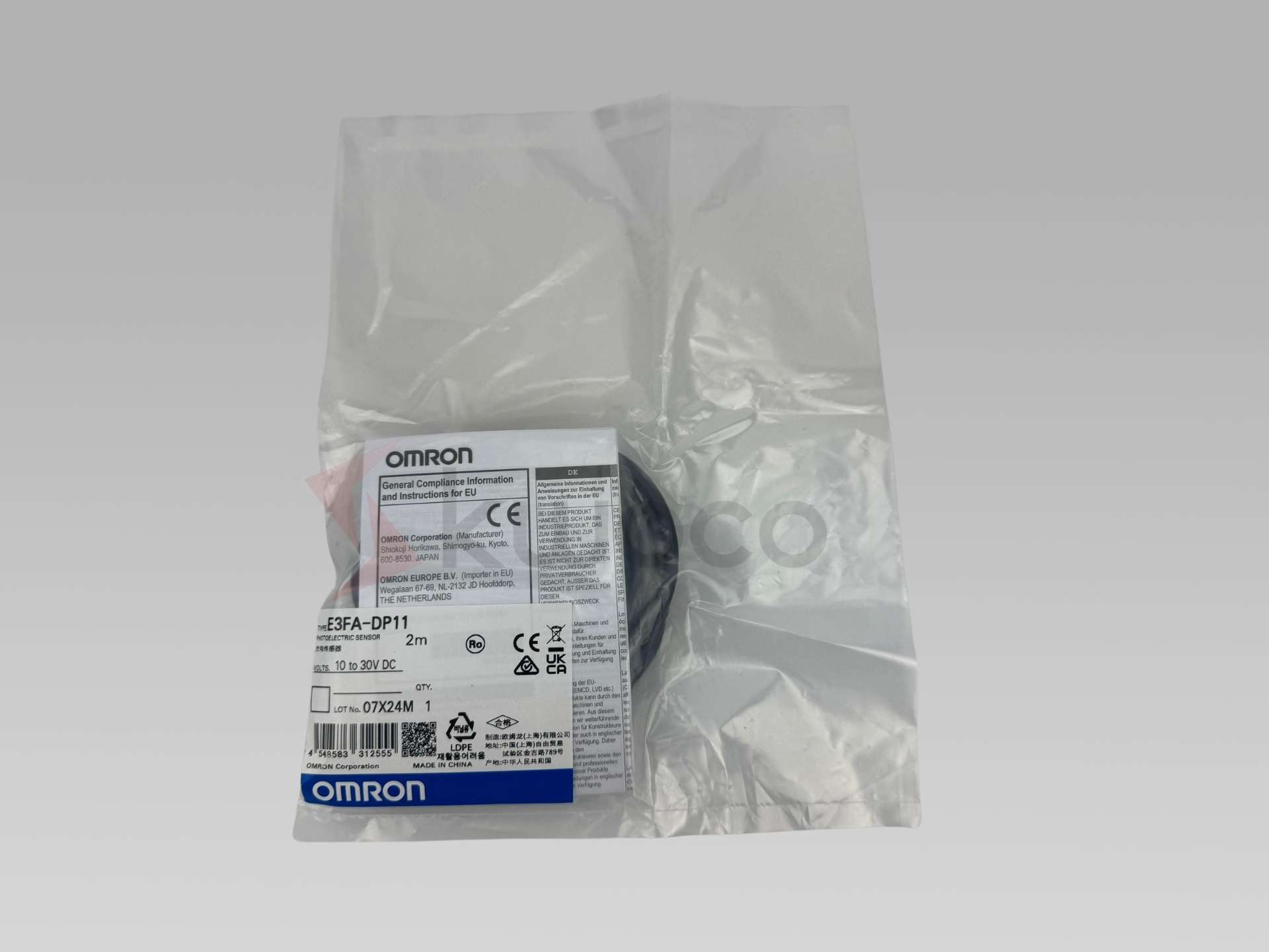
Find the right automation components for your EtherNet/IP network.
Frequently Asked Questions
EtherNet/IP uses CIP to manage real-time data through implicit messaging and precise scheduling mechanisms.
While both use the same physical layer, EtherNet/IP adds industrial protocols and deterministic communication capabilities essential for automation.
Yes, EtherNet/IP can operate alongside other protocols on the same physical network through proper network segmentation.
EtherNet/IP includes robust security features like CIP Security, but requires proper implementation of security best practices.
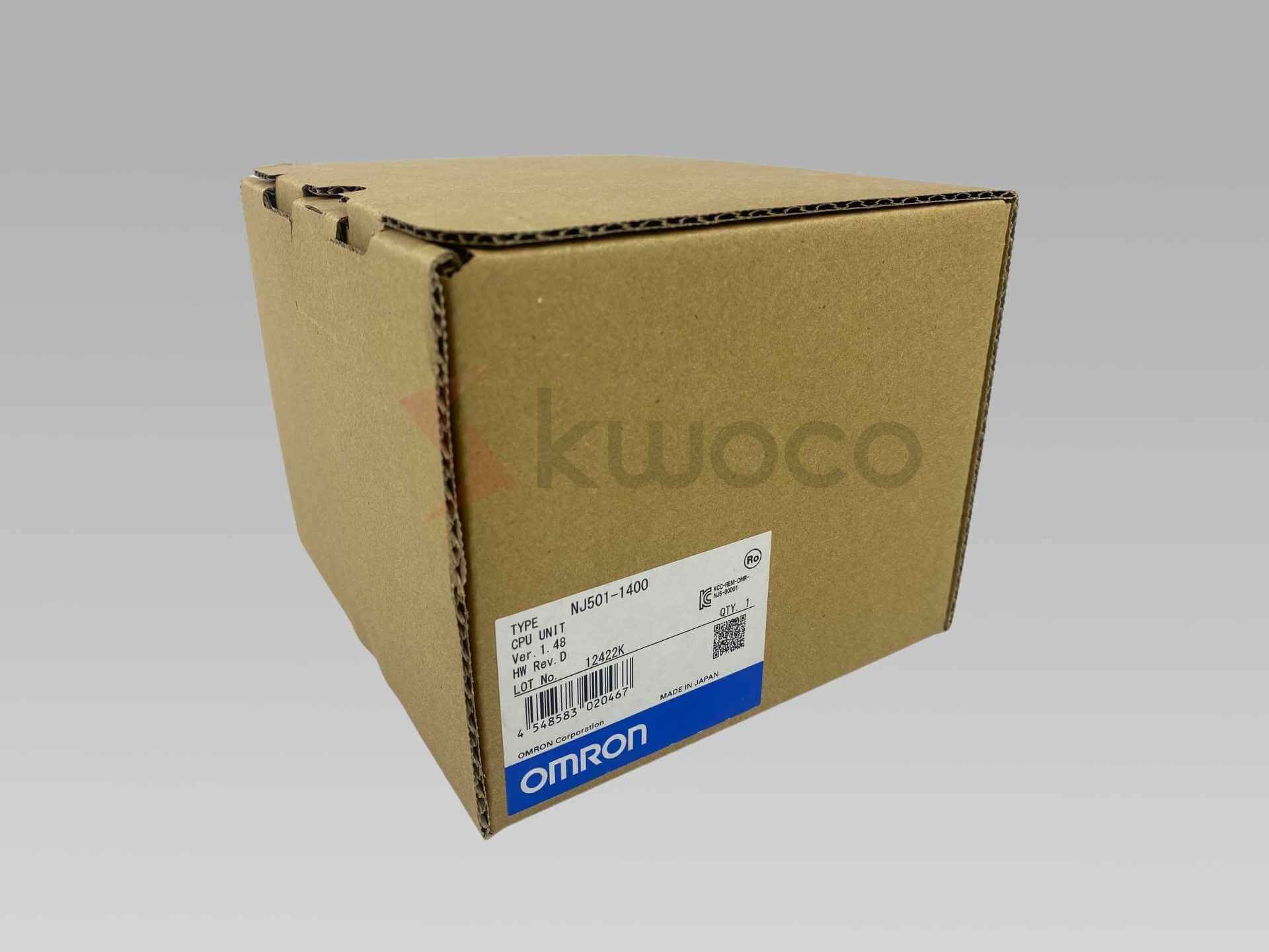
Power your projects with brand-new, original Omron, Mitsubishi, Schneider PLC – in stock, ready now!
Conclusion
- EtherNet/IP combines standard Ethernet technology with CIP for industrial applications
- The protocol supports both scanner and adapter devices in industrial networks
- Implementation requires careful planning and proper network configuration
- Security and reliability are key considerations for successful deployment
- Integration with existing systems is possible through proper network design
Remember to consult with qualified automation professionals when implementing EtherNet/IP in your industrial environment to ensure optimal performance and reliability.
Looking for new, original PLCs for your projects? At Kwoco, we stock the latest PLCs from top brands like Omron, Mitsubishi, and Schneider. Shop with confidence—fast shipping, guaranteed quality! Buy Now
Contact Us
Just fill out your name, email address, and a brief description of your inquiry in this form. We will contact you within 24 hours.
You May Also Find These Topics Interesting

Contactor vs Relay: Understanding the Difference Between Contactors and Relays
This article dives deep into the world of contactors and relays, two essential components in industrial automation and control systems. We’ll explore their functionalities, differences, and applications, helping you understand why this information is crucial for anyone involved in machinery and equipment factories, manufacturing, or factory solution companies. Whether you’re looking to optimize your existing electrical system or design a new one, understanding the nuances between relay and contactor can significantly impact efficiency, safety, and cost-effectiveness.

Explore Siemens SIMATIC Controllers: A Comprehensive Guide to Solutions
This article delves into the critical role of disconnect switches in ensuring safety and operational efficiency in various industrial applications. We’ll explore different types of disconnect switches, their functions, and how to choose the right one for your specific needs. Whether you’re a seasoned engineer in a machinery factory or a manager at a manufacturing plant, understanding disconnect switches is vital. This comprehensive guide will provide you with the knowledge needed to make informed decisions, enhancing both safety and productivity in your operations.

What You Need to Know About Digital and Analog Inputs in PLCs
What You Need to Know About Digital and Analog Inputs in PLCs Have you ever wondered how your industrial automation