
What actually separates them
CJ2M sits in Omron’s long-running CJ platform, and some models such as the CJ2M-CPU34 support up to 40 expansion units and up to 2560 local I/O points. It is part of the CX-One software world, which is still familiar territory for many maintenance teams working on older Omron installations.
NX1P2 is a different family. Omron positions it inside the NX / Sysmac platform, programmed in Sysmac Studio, with support for Ladder, Structured Text, and Function Block under IEC 61131-3.
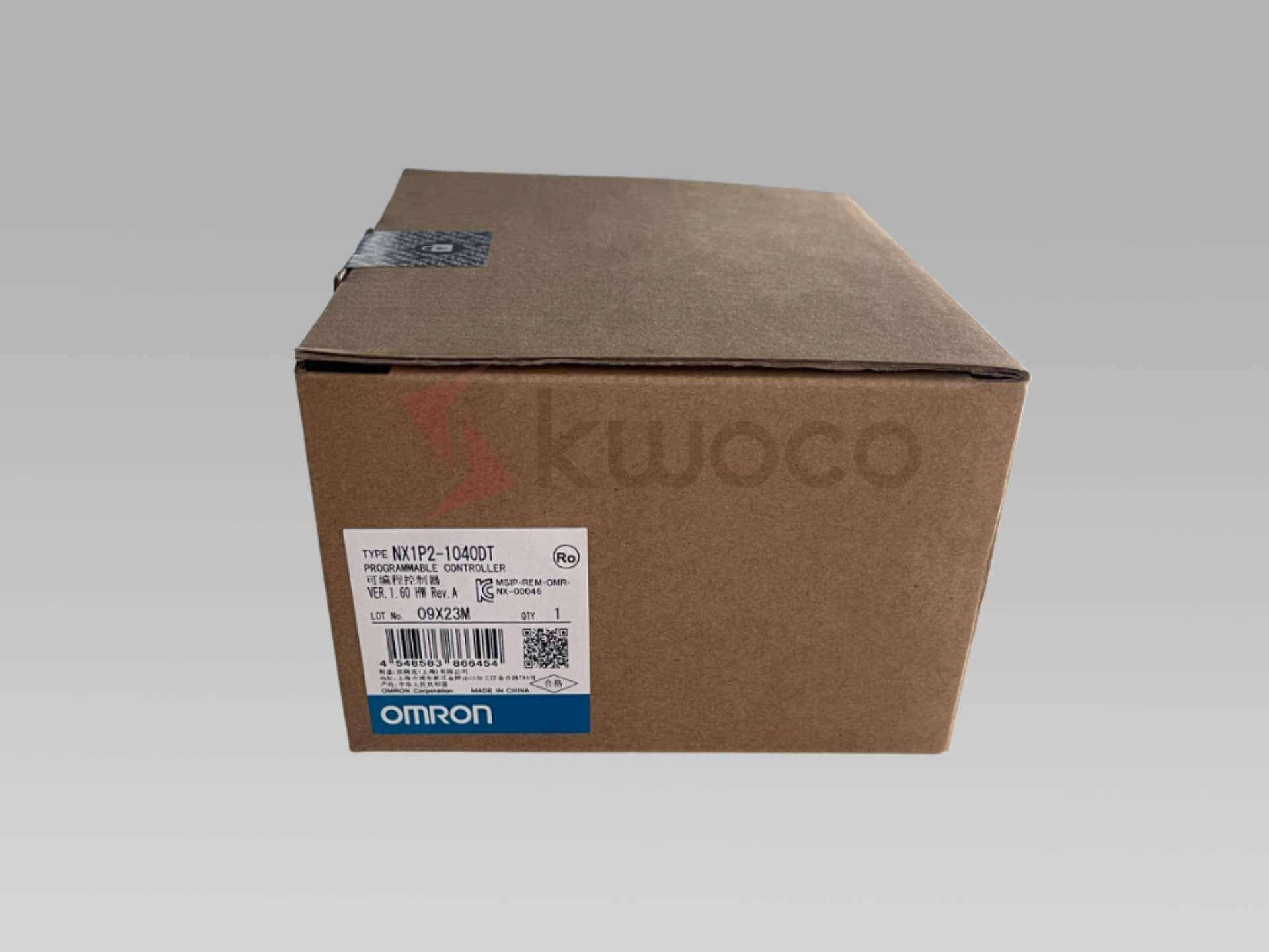
Omron also highlights EtherCAT-based servo wiring, up to eight connected servo systems for single-axis position control, and up to four axes of motion control on the NX1P2 platform.
On paper, both are “Omron PLCs.” In practice, they belong to different generations of machine design. That is usually where selection mistakes start.
Where each one makes sense
A lot of buyers look at this comparison as if it were only a CPU-to-CPU decision. It rarely is. If a plant already has CX-One project files, spare CJ modules on the shelf, and technicians who know the addressing and maintenance habits of the CJ family, staying with CJ2M can be the sensible move.
That matters most on replacement jobs. A packaging line that is down on Tuesday afternoon does not always need a platform upgrade; it often needs the fastest safe way back to production.
In those cases, a CJ2M replacement can be less disruptive than reopening software, panel layout, communications, and commissioning logic.
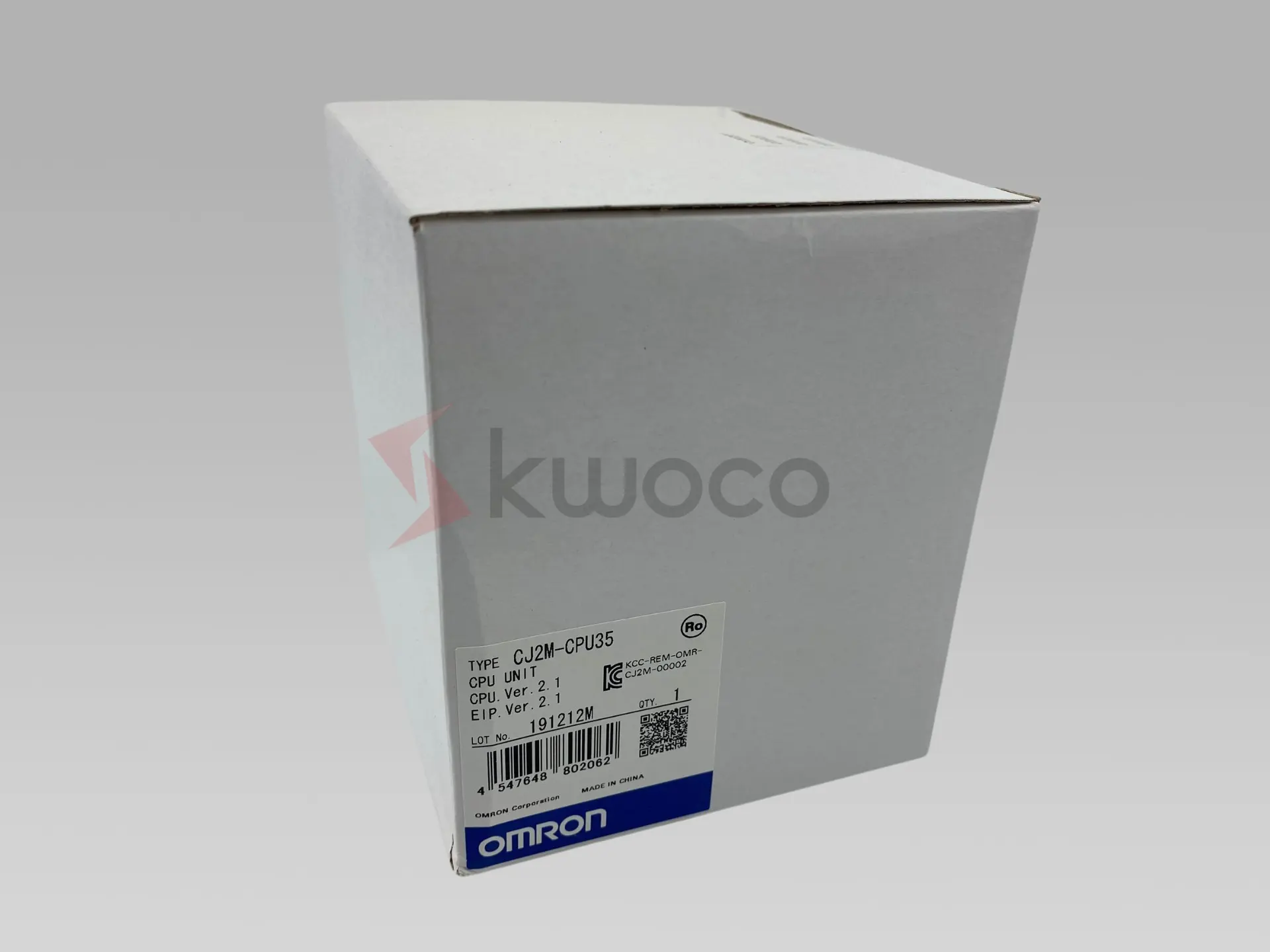
NX1P2 fits a different conversation. For compact new machines, especially where PLC control and motion need to live in one Sysmac environment, it is the cleaner starting point.
Omron describes Sysmac Studio as an integrated environment for setup, programming, debugging, and maintenance across machine automation controllers, EtherCAT slaves, and HMI components, which is exactly the kind of integration engineers usually want on a new build.
There is another practical point buyers tend to notice only after the quotation stage: moving from CJ2M to NX1P2 is not a simple software rename.
CJ2M lives in the CX-One ecosystem, while NX1P2 is built around Sysmac Studio, so migration usually means real engineering work rather than a neat one-line substitution.
Procurement details people miss
The expensive mistakes are usually not in the headline price. They show up in the gaps around the part number: software version, I/O structure, motion method, panel rework, recovery time after startup, and whether the supplier can prove what is actually in stock.
For CJ2M, lifecycle planning deserves a quick check before you standardize it for long-term future use.
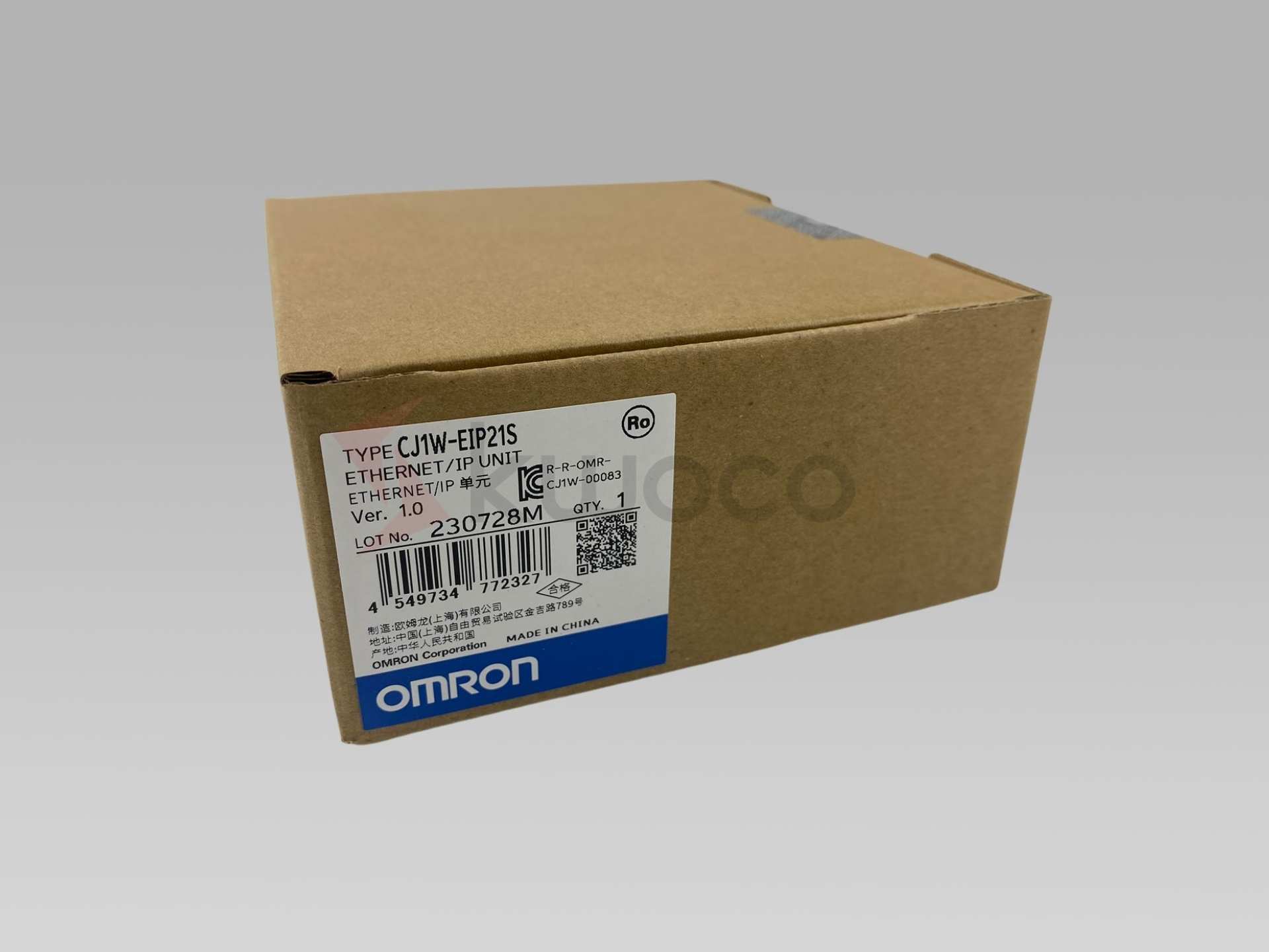
Omron Europe has published discontinuation notices for various CJ-series models, with maintenance support timelines tied to final order dates, so buyers should verify the exact regional status of the specific CPU and accessories they intend to purchase.
For NX1P2, the risk is different. It is less about old-platform continuity and more about RFQ clarity.
If the request says “replace CJ2M with NX1P2” but does not define software scope, I/O mapping, motion needs, and commissioning responsibility, the quote may look clean while the project does not.
A practical RFQ for either platform should confirm:
- Full CPU model number, not just the family name.
- Required software environment, CX-One / CX-Programmer or Sysmac Studio.
- Expansion modules, option boards, and network method.
- Whether the job is a spare replacement or a redesign.
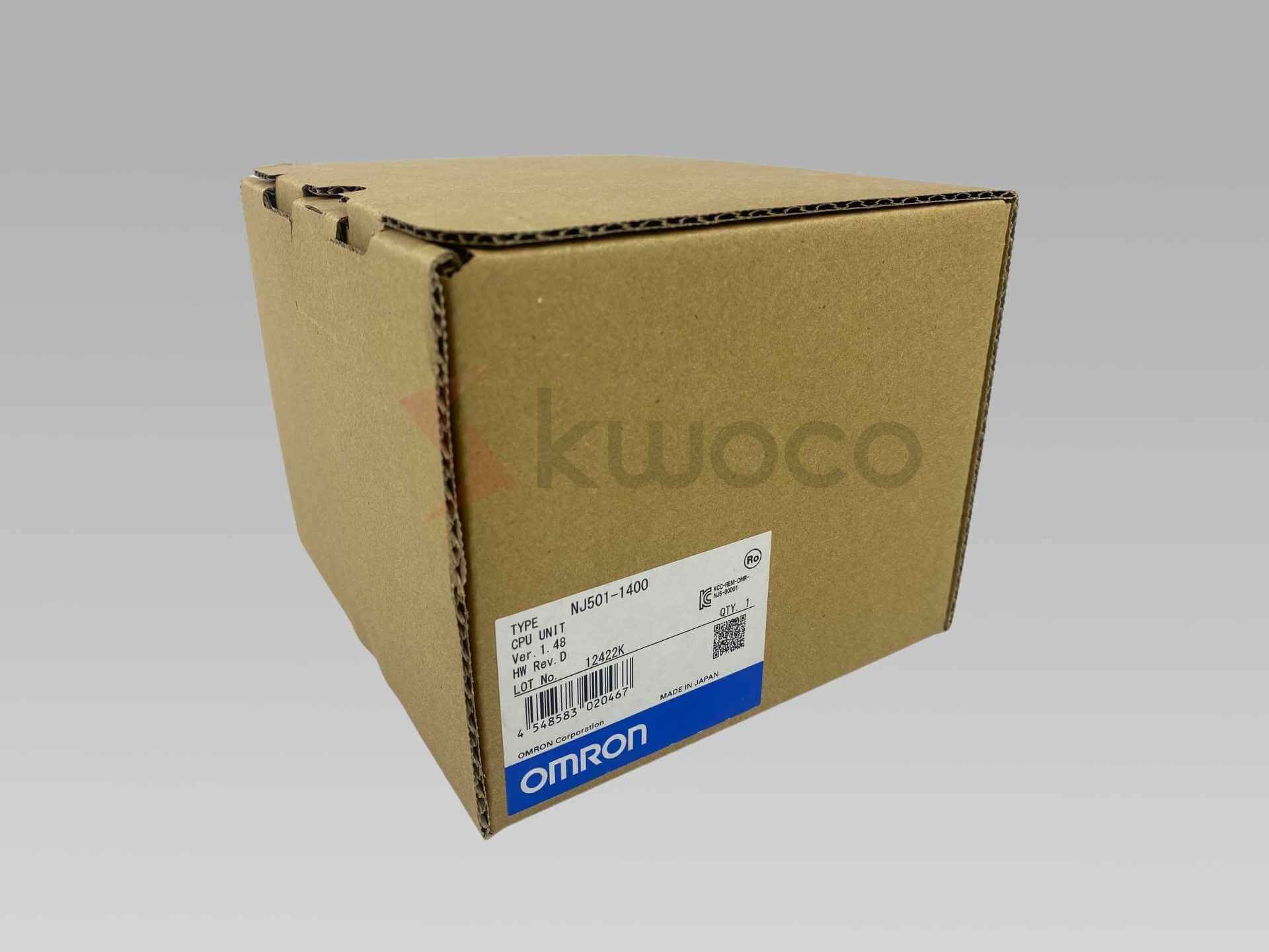
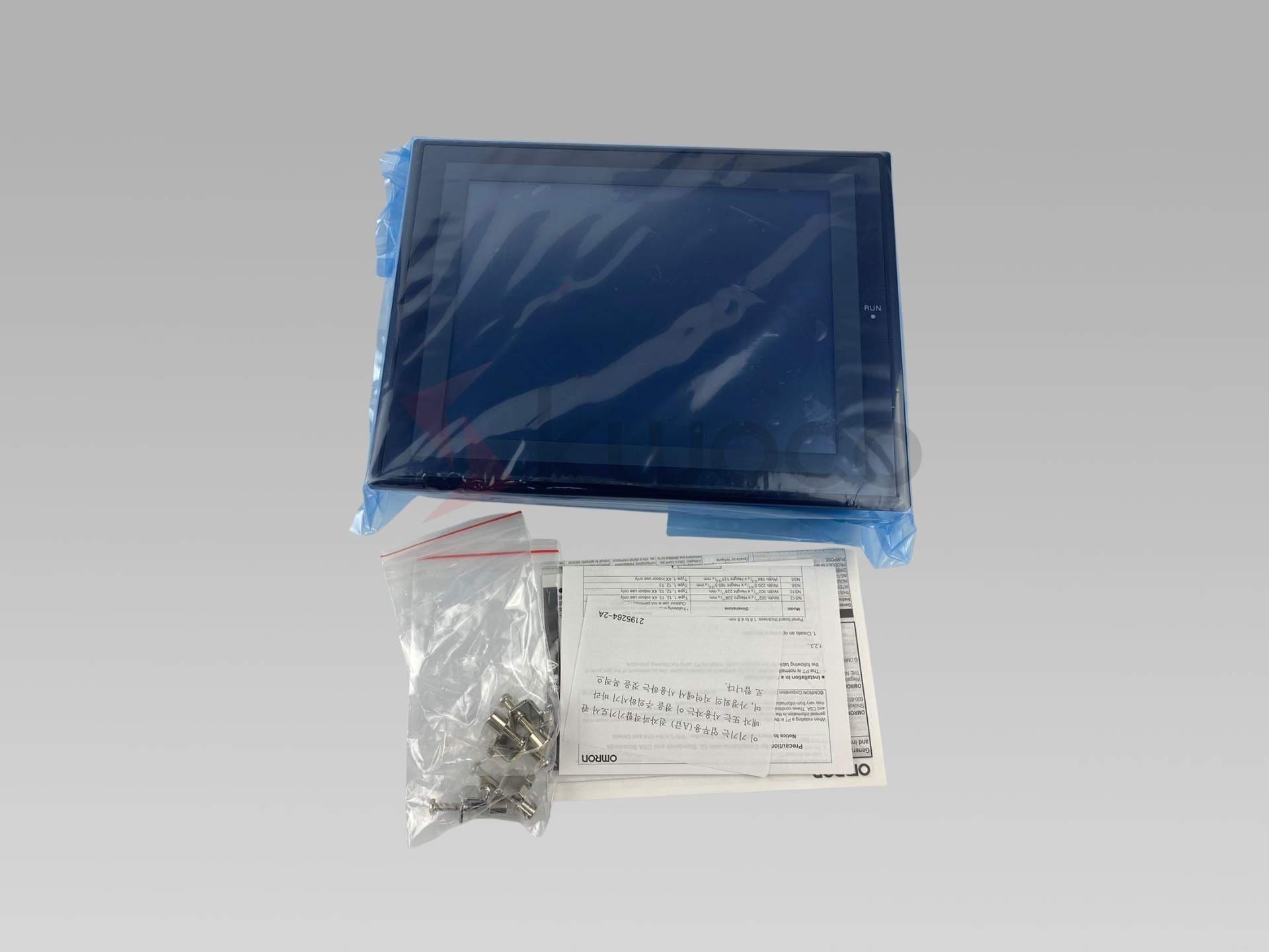
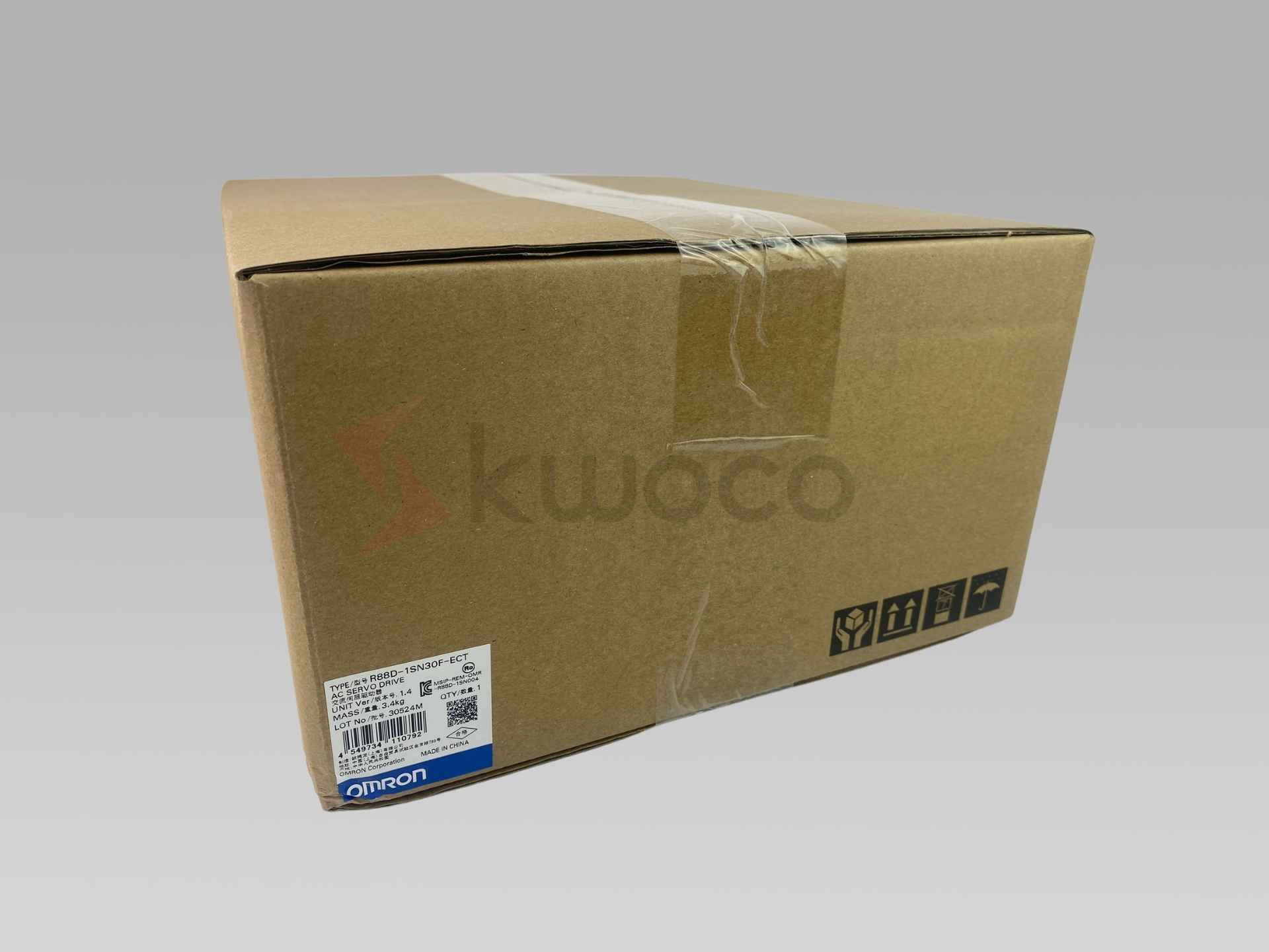
- Proof of stock, product label photos, and carton photos before shipment.
That last part matters more than many buyers expect, especially in cross-border purchasing where concerns about refurbished or mixed-stock items are real.
Around this stage, some buyers prefer to work with a supplier that can quote more than one brand on the same BOM. For project purchasing, that can save time when the PLC is Omron but the HMI, sensors, cable, or servo items come from other mainstream brands.
KWOCO is one example of that kind of supplier model: it can support multi-brand inquiries, confirm stock, provide product and packaging photos, and arrange global shipping, which is useful when one RFQ covers several automation categories rather than a single PLC line.
Side-by-side view
| Point | CJ2M | NX1P2 |
|---|---|---|
| Software environment | CX-One / CX-Programmer | Sysmac Studio |
| Platform style | CJ platform with broad expansion on models such as CJ2M-CPU34, up to 40 expansion units and 2560 local I/O points | NX / Sysmac platform with integrated machine control approach |
| Motion direction | Better known for conventional PLC replacement and installed-base continuity | EtherCAT wiring to servo systems, up to four axes of motion control, with electronic cam and interpolation functions highlighted by Omron |
| Expansion note | CJ2M-CPU34 supports large local expansion capacity | Up to eight NX Units can be connected to an NX1P2 CPU Unit |
| Best fit | Existing CJ machines, service stock, low-disruption replacement | New machine builds, compact control architectures, motion-oriented Sysmac projects |
| Buying caution | Check regional lifecycle status for the exact model | Check software scope and migration assumptions before accepting a “replacement” quote |

NPN vs PNP Sensors: Key Differences Explained
Understanding the differences between NPN and PNP sensors is crucial for anyone involved in industrial automation. These sensors are fundamental components in control systems, and knowing how they work can greatly enhance the efficiency and reliability of your operations. This comprehensive guide will demystify NPN and PNP modules and sensors, explain their functionality, and help you decide which type is best suited for your applications.

Troubleshooting Unresponsive Industrial Touch Screen Panels: A Comprehensive Guide
Is your industrial touch screen panel acting up? An unresponsive touch screen can halt production, create frustration, and cost your business valuable time and money. This article provides a comprehensive guide to troubleshooting common industrial touch screen issues. We’ll explore the reasons behind an unresponsive touch, the steps you can take to solve the problem, and when it’s time to call in the professionals. Learn how to ensure your industrial HMIs remain reliable and contribute to smooth manufacturing operations.
What is Ethernet/IP? Understanding the Industrial Protocol
In today’s rapidly evolving industrial landscape, understanding EtherNet/IP (Industrial Protocol) is crucial for anyone involved in industrial automation and IIoT implementations.