
This article is very much worth reading. It makes things easy to understand. You’ll learn how to write a good programme. We make things simple for you!
Let’s look at a fun fact. Over 80 percent of modern factories use smart systems today. That is a huge stat! I have worked in this field for many years. I love sharing my first-hand experience. You don’t need to be scared of machines. I will hold your hand. We will walk through this together.
What Is a Programmable Logic Controller and How Does It Work?
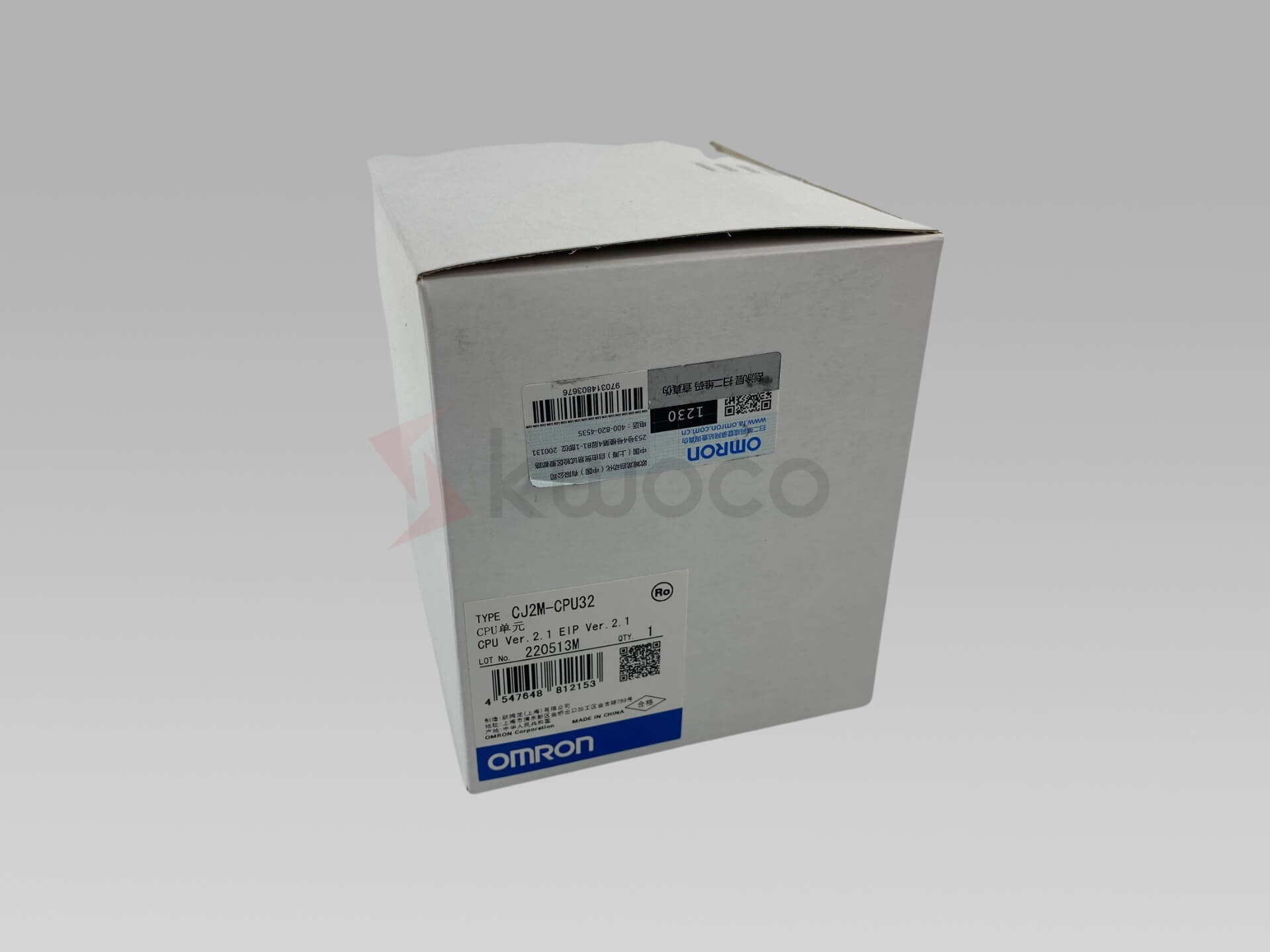
A programmable logic controller is just a digital computer. Factories use it every single day. It lives in harsh industrial environments. Dust or extreme heat won’t stop it. You’ll see it control industrial processes safely.
Years ago factories used many wires. A big relay took up a lot of space. It was a hard-wired mess. People wanted a better way. The PLC fixed this big problem. It acts as a smart unit for machines. It reads input data. It decides what to do next. Then it sends out commands.
You connect a sensor to it. This unit gives input signals. The machine reads the signals and it changes the output signals. It is used to control an electric motor. It helps control systems run fast.
The automated processes look like pure magic. It is just good logic at work. You will see a plc’s true power here. A plc’s job is to keep things moving. This is why we need industrial control today.
Let’s look at a table. It compares the old way to the new way.
| Feature | Old Way | New Way |
|---|---|---|
| Wires | Many wires | Few wires |
| Space | Needs a big room | Very small |
| Speed | Very slow | Super fast |
| Fixes | Hard to fix | Easy to fix |
You can see the clear winner. The new way is much better. It saves time. It saves money. It keeps workers safe. You will love learning this.
Think about your home. You have light switches. You flip a switch. A light turns on. This is a very basic system.
Now imagine a big factory. It has thousands of lights. It has thousands of motors. A human cannot flip all those switches. It would take too long. A human would get tired. A human would make mistakes.
This is where the magic box steps in. The magic box is our friend. It acts like a super fast human. It has thousands of tiny hands. It flips the switches for us. It never sleeps. It never gets hungry. It works all day and it works all night.
How Do PLCs Automate Things Around Us?
Let’s look at PLC basics together. You can learn this easily. These tools run big industrial machines. They also run small robotic devices. They help make cars on assembly lines. You find them in complex manufacturing plants all over.
A PLC program is the brain of the machine. It holds a set of instructions. These rules control the operation completely. You write a programme to do this work. A simple programme makes things move. You need input and output devices. An input is a button. An output is a bright light.
I remember my first project clearly. I used PLC programming to run a big fan. It was fun! You can build building automation systems too. It helps with temperature control inside. You can see how useful this is. You can automate a whole house. We rely on them to live well. They make life safe.
Here are some things they run:
- Traffic lights on your street.
- Elevators in tall buildings.
- Water pumps in your town.
- Amusement park rides.
- Packing machines for food.
You see them every day! You just didn’t know it. They hide inside big metal boxes. They do the hard work. You can thank them later. Let’s talk about cars. You drive a car every day.
Have you seen how cars are built? It is a giant puzzle. Big robot arms lift heavy metal. Sparks fly everywhere. Paint sprays in perfect lines. How does the robot know what to do? The answer is simple. The smart unit tells it.
The unit checks sensors. It knows when the car frame arrives. It tells the robot arm to move. The arm grabs the metal. The arm welds the pieces together. Then the unit says stop. The car moves down the line. The next robot takes over. It is a beautiful dance. The dance is totally planned.

What Are the Main PLC Programming Languages You Should Know?
Let’s talk about writing code. You use a programming language to tell the machine what to do. There are main categories of code. We have five PLC programming languages in total. You can pick the best one.
The most widely used is ladder logic. It looks exactly like a ladder diagram. Electricians love it a lot. It is very easy to read. It looks like old relay charts. You draw a clear diagram on the screen. It helps you see the program logic clearly. It is very visual.
Other languages used include structured text. This one uses plain text. It looks like pascal or C. You also have function block diagram. It uses shapes to represent functions. There is sequential function chart too. The last one is instruction list. You type simple basic plc instructions in a sharp list. You can choose the right one and you will do great. Each set is an instruction set. They do big data processing.
Let’s list them out for clarity:
- The ladder style. This draws lines like a real circuit.
- The text style. This uses typing words.
- The block style. This uses squares for math.
- The sequence style. This uses a flow chart.
- The list style. This uses tiny typed codes.
You can try all five. You might like one best. Most people pick the ladder. It is simple. It makes sense. You draw two lines. You put symbols in the middle. The computer reads it. The machine moves. It is wonderful!
Code is just a language. You speak English. A person in France speaks French. A computer speaks its own language. You must learn its language to talk to it.
It isn’t scary. Think about a recipe. You bake a cake. The recipe says to add flour. It says to add eggs. It says to bake for an hour. Code is a recipe for a machine. You tell it step one. You tell it step two. You tell it step three. If you write good steps then the machine works well.
How Do a Timer and a Counter Work in Your Programme?
A great programme uses a timer. It acts exactly like a clock. It is used to delay an action. You wait ten long seconds. Then the machine starts up. It is very simple. I use a timer often. It helps pace the work.
You also need a tracking unit. A unit tracks numbers well. It is used to count parts. You count the number of boxes. It stops the fast line at ten. These timers and counters are very helpful tools. They do the counting for you.
Let me give an example. You have a long factory line. You want to execute a bold plan. A sensor sees a box. The counter adds one. The machine waits for a moment. You use mathematical calculations and data here. It performs logical operations well. They are used to count items fast.
Think about baking cookies. You put cookies in the oven. You set a clock. The clock rings and you take the cookies out. A machine does the same thing! It waits for the right time. Then it moves the cookies. It never burns them. It never gets tired. It never asks for a break.
Time is very important in a factory. You cannot rush a process. You cannot paint a car and touch it right away. The paint must dry.
A clock tool handles this. The paint sprays on the car. The smart unit starts a clock. It counts tick tock tick tock. It counts for ten minutes. The car sits still. The paint dries fully. Then the car moves again. This prevents a big mess.
You can count bottles too. Imagine a soda factory. The machine lines them up. One. Two. Three. Four. Five. Six. Seven. Eight. Nine. Ten. A box closes. A new box comes. The line keeps going. It runs all night long. You can sleep in your bed. The factory does the work.
How Will IIoT Change the Future of Output and PLCs?
Welcome to the exciting world of industrial automation. Things change so fast here. We now have the industrial internet of things. People call it iiot. It connects machines to the web. Plcs are very important parts. They link the busy factory to the internet.
A commonly used PLC shares data now. You can see the data on your phone. This helps stop bad downtime. You fix things fast before they break. A broken machine costs a lot of money. You want to keep it running. The internet helps you do this.
This field of industrial work is growing. You can learn the basics easily. You find them in many fun industrial applications. They do complex logic fast.
They are fully customizable for any job. You just need a basic understanding of them. You can troubleshoot problems quickly. These industrial computers run the world! I used my skills to get a job.
The world is changing. Your phone is very smart now. You can see your grandkids on your phone. You can check the weather on your phone. You can play games on your phone. Factories are getting smart too.
They use the web. A manager can sit at home. He can look at his phone. He can see the factory running. He can see how many parts are made. He can see if a machine is broken. He can call a worker. He can tell the worker to fix it. This saves so much time.
I want to tell you a story. It is about a local bakery. My friend Bob owns this large bakery. He baked fresh bread by hand for many years.
He woke up very early every morning. He woke up at three in the morning. His hands hurt a lot. His back ached all the time. He hired young helpers. The helpers made mistakes. Sometimes the bread burned black. Sometimes the bread was raw inside. He lost a lot of hard earned money. He felt very sad and tired.
Then he learned about smart automation. He read a book about it. He bought some new machines. He bought large mixing machines. He bought a giant oven with a smart controller.
He asked me for my help. I wrote the code to set it up. We put a heat sensor in the oven. We linked everything together with wires.
Now the bakery runs itself beautifully. The fine flour pours into the bowl. The cool water mixes in slowly. The soft dough rises up. The oven heats up exactly right. The bread bakes perfectly every single time.
Bob sleeps late now. He makes more money today. His back doesn’t hurt anymore. He smiles every day. This is the true value of automation. It helps ordinary people live better lives. It takes away the heavy burden.
You are never too old to learn this. You can read a book. You can watch a video. You can take a class. You can buy a small kit online. You can practice at home. It keeps your mind sharp. It is like a fun puzzle. You connect the dots. You solve the problem. You feel proud.

Siemens SIMATIC Controller: The Brain Behind Seamless Automation
This blog post delves into the world of Siemens SIMATIC controllers, explaining why they are a cornerstone of modern industrial automation and highlighting their benefits for machinery and equipment factories, manufacturers, and factory solution companies. We aim to demonstrate how SIMATIC controllers can transform your operations, improve efficiency, and ultimately, drive profitability. As a business specializing in industrial automation and industrial control products for manufacturing plants, we understand the critical role that reliable and adaptable control systems play in today’s competitive landscape.
Do Touch Screens Work? Understanding the Technology Behind Touch Input
Touch screens have become an integral part of our daily lives, from smartphones to industrial control panels. But have you ever stopped to wonder how these touchscreens actually work? This article dives deep into the technology behind touch screens, exploring different types, their applications in industrial automation, and what makes them tick. Understanding the intricacies of touchscreen technology will equip you to make informed decisions about implementing them in your machinery and equipment factory, or factory solution company. We’ll explore the common challenges and how you, as a manufacturer, can leverage this tech to improve your processes.
Top 10 Omron PLC Suppliers in the United States
Top 10 Omron PLC Suppliers in the United States Omron PLC is widely used in the US market, especially in