
It describes the actual distinctions in between the Siemens S7-1500 family members and Schneider Electric Modicon systems, with plain-language guidance on software program, interaction procedures, extra components, and overall expense of possession.
What makes the Siemens S7-1500 a solid PLC system?
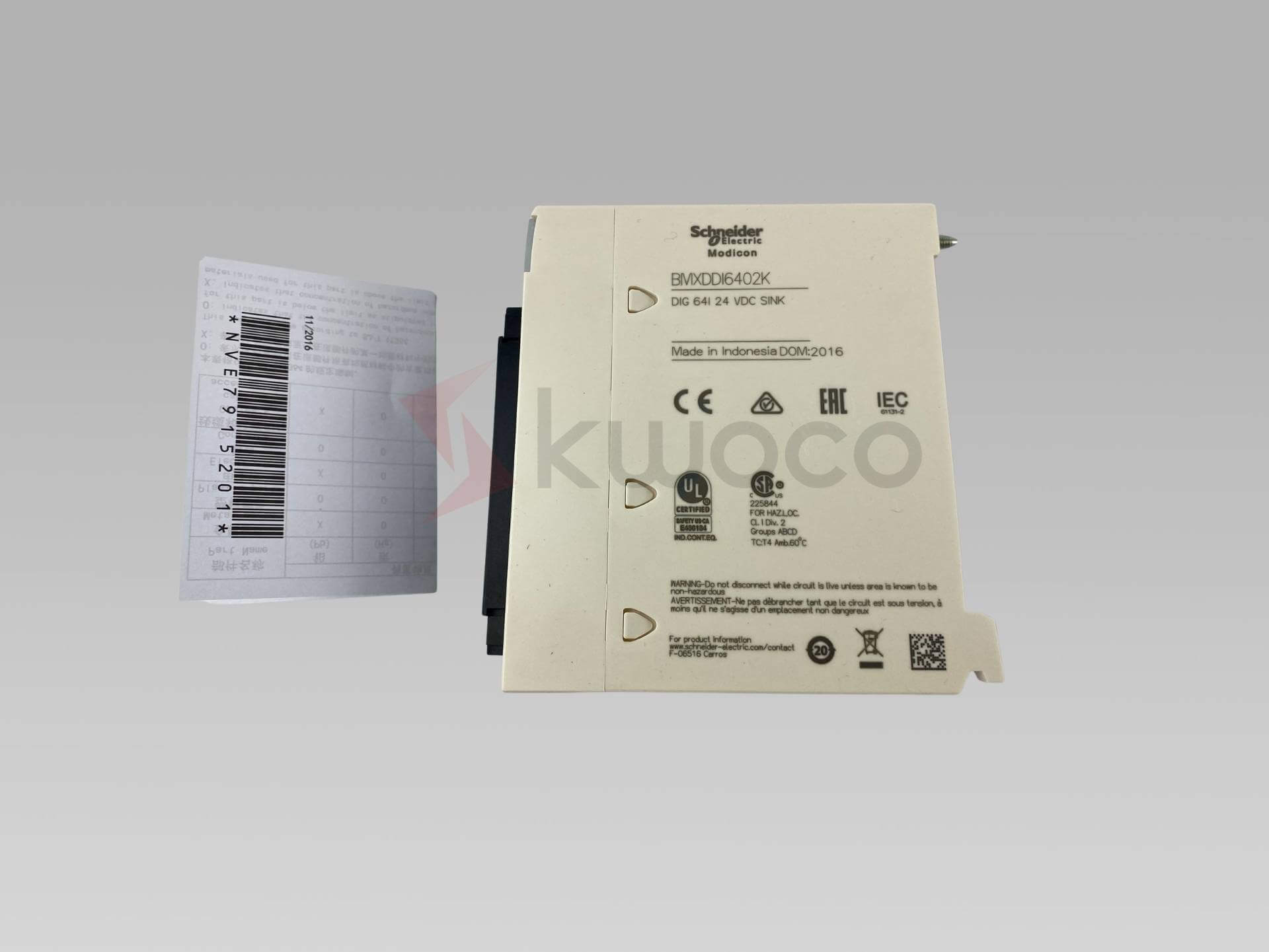
The first reason many engineers start with Siemens is the shape of the platform itself. Siemens presents the SIMATIC S7-1500 as a modular, scalable controller family with multiple CPU performance classes plus signal, technology, and communication modules for central or distributed use.
In simple terms, that means you can start with a small machine and grow into a larger line without changing your whole engineering mindset.
I’ve found that this matters more than people expect. A good PLC platform isn’t just about raw speed.
It’s about how calmly your team can expand, troubleshoot, and commission the next machine without reinventing the complete process.
For automation teams that value standardization, Siemens PLCs usually win points for integrated motion control, built-in PROFINET, and direct engineering alignment with TIA Portal.
Siemens says every S7-1500 CPU supports motion control functions, and the family also supports standardized OPC UA communication for digitalization.
That makes the siemens PLC approach attractive for machine builders who want one environment for logic, drives, diagnostics, and often HMI work as well.
There’s also a practical middle layer in the SIMATIC family. The S7-1200 commonly fits smaller sized automation jobs while the siemens s7-1500 manages even more requiring equipment control applications, and both live naturally inside the TIA world.
When you contrast s7-1200 with tia to the s7-1500 collection, the actual tale is not simply equipment dimension. It’s the smoother jump from simple skids to complex lines without abandoning the same programming environment.
When does Schneider Electric Modicon fit better?
Schneider Electric’s strength shows up fast in Ethernet-first plant design.
Schneider describes the Modicon M580 as an ePAC built on an Ethernet backbone for openness, flexibility, robustness, and sustainability, and it says the platform supports X80 common I/O modules for complex display, networked communication, and control applications.
That makes schneider especially appealing in process-heavy sites, utility projects, and plants where distributed architecture is a daily fact of life.
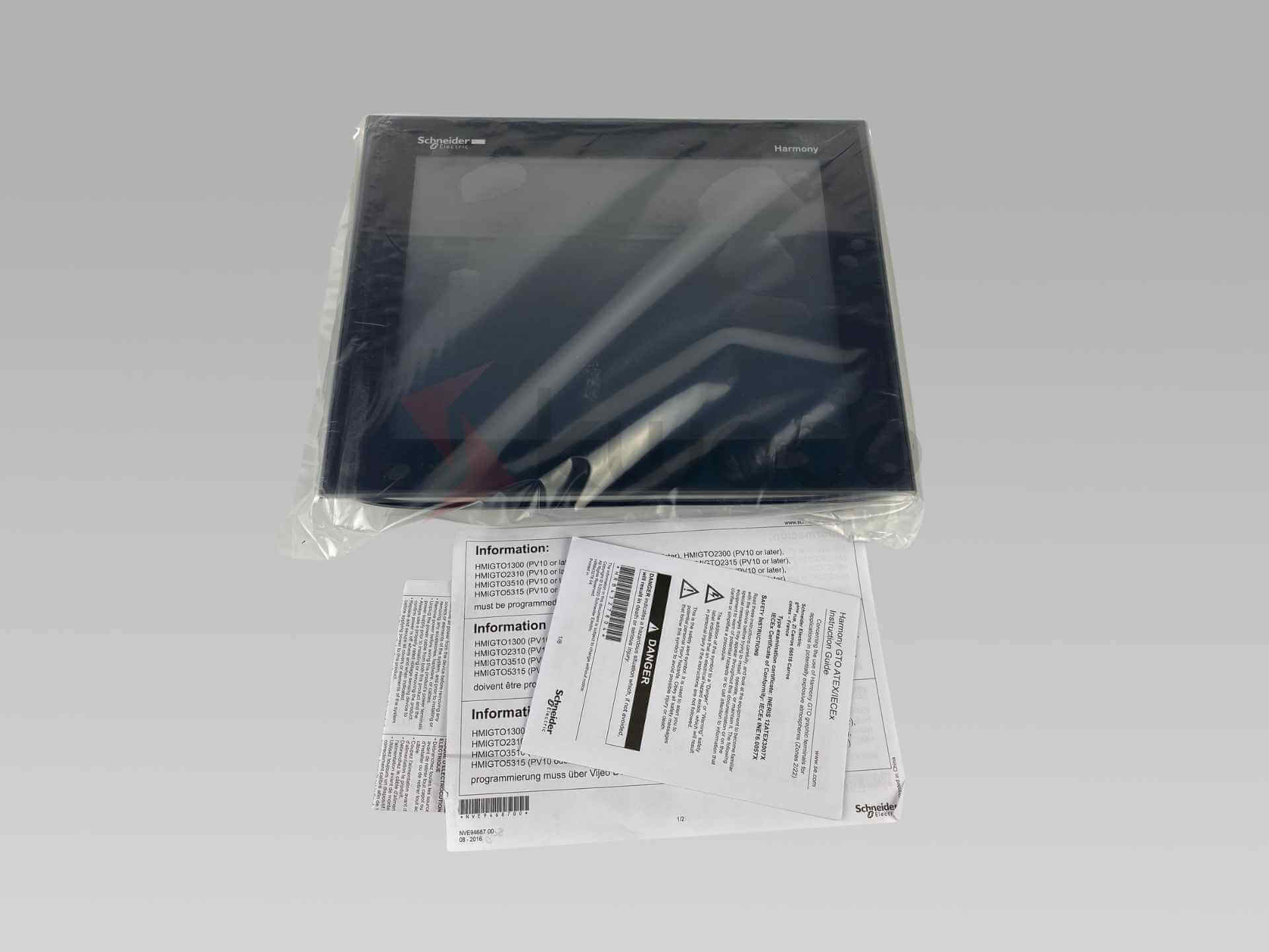
This is where many buyers start to prefer schneider. Schneider PLCs often feel comfortable in larger, networked systems where teams want strong built-in Ethernet identity from day one.
Schneider’s official U.S. product page also highlights built-in Ethernet and a high level of cybersecurity for the Modicon M580 PAC controller.
The Modicon family also has a long reputation in the PLC market, and Schneider materials keep leaning into resilience.
Official Schneider content says the M580 offers easy migration from legacy platforms, integrated Hot-Standby redundancy for 24/7 operation, and TÜV-certified safety for process and machine applications up to SIL3.
If you work in water treatment, energy management, or other uptime-sensitive environments, that’s a serious point in Schneider’s favor.
Throughout the larger market, you might additionally see shortlists that consist of Allen-Bradley, Rockwell Automation, ControlLogix, CompactLogix, Workshop 5000, Mitsubishi, Omron, or Sysmac.
Because larger system contrast, schneider electrical commonly lands well when the customer desires a solid network foundation, an acquainted Modicon identification, and a process-friendly roadmap.
How do TIA Portal and EcoStruxure Control Expert compare for PLC programming?
For me, the software question is the tie-breaker in almost every PLC comparison.
Siemens describes TIA Portal as an engineering framework that covers hardware configuration, engineering workflows, commissioning, simulation, machine optimization, and transparent plant operations inside one platform.
Siemens also says STEP 7 inside TIA Portal supports PLC programming, distributed I/O, motion control, safety, and diagnostics in a unified environment.
That’s why many engineers talk about the learning curve before they talk about the CPU.
If your team likes one umbrella for logic, drives, safety, and HMI software, TIA Portal feels very coherent. Siemens says the platform includes integrated engineering, simulation tools, multi-user engineering options, and cloud access through TIA Portal Cloud.
In day-to-day work, that usually helps during commission, later maintenance, and faster troubleshooting.
Schneider takes a different route. Schneider’s official content around EcoStruxure Control Expert and its Topology Manager add-on describes a collaborative, multi-user environment that can manage a full automation architecture with multiple controllers, switches, PCs, and field devices in one physical view.
That approach can be valuable when your automation team thinks in plant topology first and logic second.
Here is a practical feature comparison:
| Area | Siemens | Schneider |
|---|---|---|
| Core controller family | SIMATIC S7-1500 is modular, scalable, and offered in several CPU performance classes. | Modicon M580 is positioned as an Ethernet-based ePAC with built-in Ethernet. |
| Main programming software | TIA Portal with STEP 7 covers PLC, distributed I/O, motion, safety, and diagnostics in one environment. | EcoStruxure Control Expert is used with Modicon systems, and Schneider highlights multi-user collaboration with Topology Manager. |
| Network lean | Integrated PROFINET and OPC UA are central to the Siemens story. | Ethernet backbone, Ethernet Modbus/TCP, and EtherNet/IP are central in Schneider literature. |
| Availability focus | Strong diagnostics, motion control, and scalable hardware expansion. | Hot-Standby redundancy and strong cybersecurity messaging are major M580 themes. |
| Good fit | Machine builders, mixed motion systems, and users who want tight engineering integration. | Process plants, distributed architectures, and users who want network-centric design. |
If you work with programming languages like ladder, structured text, SFC, or sequential function chart, both camps can get the job done. The bigger difference is how the engineering flow feels when you build, test, download, and maintain a system.
That’s why I always tell readers to compare the programming software, not just the hardware brochure.
Which communication protocols and ecosystem factors matter most?
This is the part many buyers skip. Then it bites them later. A programmable logic controller is never alone for long.
It lives inside an ecosystem of drives, remote I/O, HMIs, historians, SCADA, safety, and old machines that refuse to retire.
On the Siemens side, the message is clear. The s7-1500 household consists of incorporated PROFINET, sustains Industrial Ethernet and OPC UA, and broadens with extra interaction components when you require extra connection or safety and security abilities.
That makes Siemens benefits particularly noticeable in high-speed maker networking, device-level combination, and jobs where PROFINET and occasionally PROFIBUS are currently component of the website society.
On the Schneider side, network openness is a major selling point. Schneider materials for the M580 highlight an Ethernet backbone, support for Ethernet Modbus/TCP and EtherNet/IP, password protection for remote programming changes, firmware integrity checks, and security-event logging to SYSLOG databases.
If your plant mixes package units, utility systems, and third-party skids from more than one supplier, that can be a very practical benefit.
A few edge cases matter too. Siemens also offers a pc-based software controller version of the S7-1500 that combines PLC reliability with industrial PC flexibility, and Siemens says it continues to run during operating-system restart or failure.
Schneider, meanwhile, also has a distributed M580 dPAC path that conforms to IEC 61499 through EcoStruxure, although Schneider keeps in mind that this dPAC branch is not suitable with the timeless BMEP58/BMEH58 controllers set up in EcoStruxure Control Specialist and does not sustain Hot Standby.
That matters if your roadmap consists of market 4.0 modern technologies, object-oriented shows concepts, or a steady change in exactly how you separate automation jobs throughout the plant.
What does total cost of ownership look like in a Siemens vs Schneider decision?
The cheapest controller on day one is not always the lowest-cost system in year five.
In a real in-depth comparison, I look at five cost drivers: engineering time, startup time, maintenance skill, spare parts, and expansion risk. That is the real total cost of ownership story.
If your plant currently talks Siemens, after that Siemens vs Schneider commonly comes to be a software application and upkeep examine greater than an equipment inquiry.
The TIA Site pile is developed around incorporated design, diagnostics, simulation, and cloud-ready operations choices, which can decrease rubbing when the very same group deals with PLC, activity, safety and security, and HMI job.
If your service technicians currently understand Action 7, SIMATIC, and the S7-1500, staying usually conserves time on training and troubleshooting.
If your site is process-heavy and already built around Schneider, then a vs siemens argument may miss the bigger issue.
Schneider’s M580 story emphasizes Ethernet architecture, redundancy, cybersecurity, and plant-level collaboration through EcoStruxure Control Expert tools.
In that setting, spare parts availability, local service, and what your nearest supplier stocks may matter more than brochure speed.
My simple advice is this:
- Choose Siemens when you want tight engineering integration, strong PROFINET habits, and smooth scaling from S7-1200 to S7-1500 inside the same world.
- Pick Schneider Electric when you desire an Ethernet-centered controller technique, process-oriented redundancy alternatives, and a plant sight that prefers multi-controller partnership.
- If your manufacturing facility currently runs existing allen-bradley systems, ask just how the brand-new system will certainly talk with that mounted base prior to you select the ideal programmable reasoning controller. Network fact defeats advertising each time.

How to Adjust a Photoelectric Sensor: Expert Guide
Adjusting a photoelectric sensor might seem complex, but with the right approach, it becomes a straightforward task. Today, I want to share my expertise on how to adjust a photoelectric sensor effectively.
Understanding HMI: What It Is and How It Works
In industrial automation, HMI (Human-Machine Interface) is a common term. But what exactly is it, and what does it do? As an engineer at Kwoco, I work with HMI systems daily, and today, I’ll take you through an in-depth look.
Is Relay Output Digital or Analog? Understanding the Basics
Relays, though seemingly simple devices, play an essential role in both our daily lives and industrial applications. But the question often arises: Is the output of a relay analog or digital? This is particularly confusing for those new to industrial automation equipment.