
If you are upgrading a production line, retrofitting equipment, or migrating from relay/MCU-based solutions to standardized industrial control, a PLC almost always ends up on the shortlist. Honestly, it is not always the cheapest option upfront, but it is often easier to justify in terms of total lifecycle cost.
Why do you see PLCs in so many industries?
Because PLCs package “noise immunity, modular I/O, maintainable programming, and industrial communications” into a system engineers already understand—so cross-industry reuse and replication costs are low.
Common industries include steel, petroleum, chemical, power, building materials, machinery manufacturing, automotive, light industry and textiles, transportation, environmental protection, and even culture/tourism and stage control. The commonality is not the process itself, but the site conditions: dust, vibration, temperature variation, electromagnetic noise, long duty cycles, and the need for fast repair.
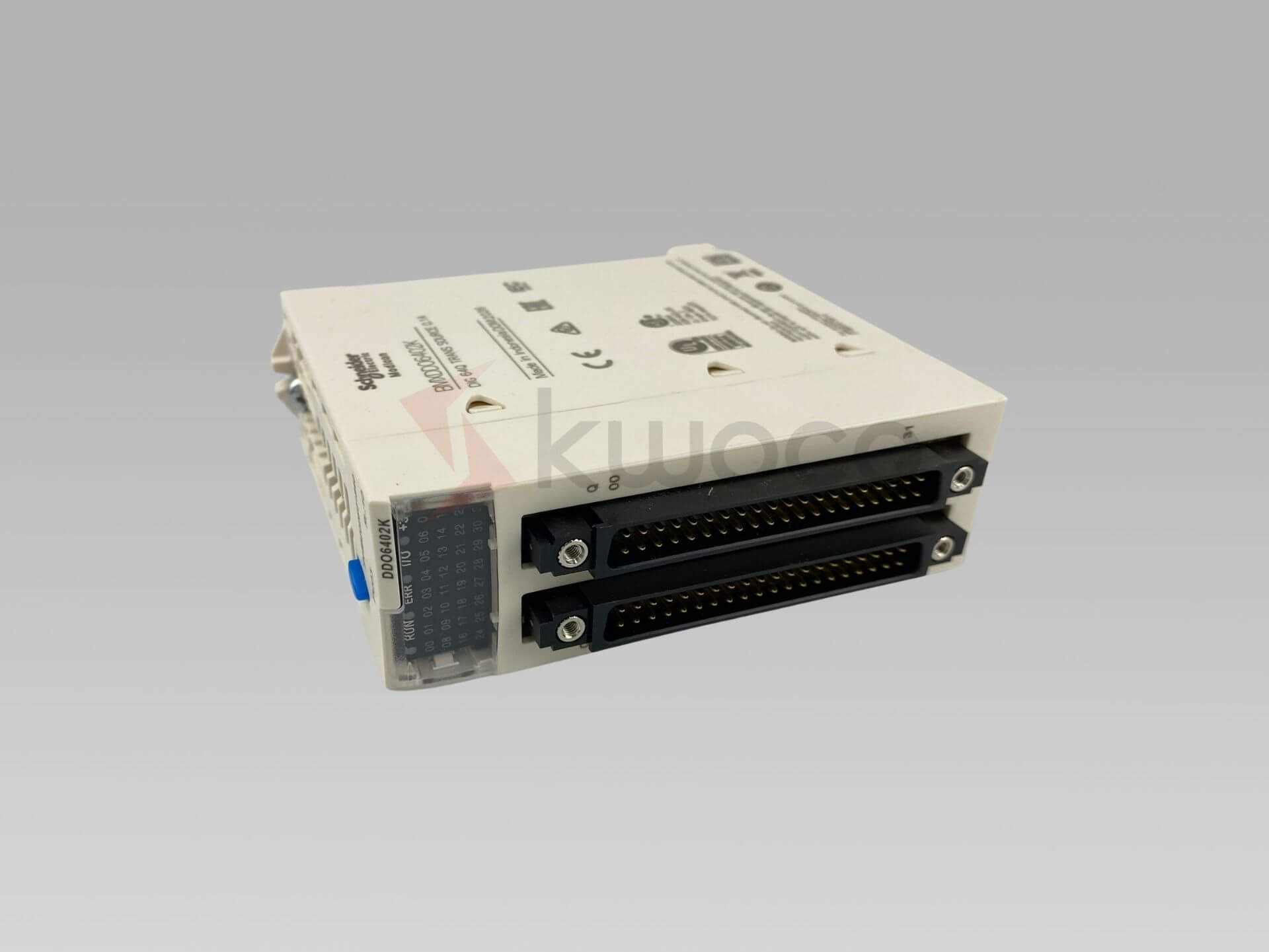
What control tasks are PLCs mainly used for?
Most projects fall into five task categories—discrete logic, process control, motion control, data processing, and communications/networking.
1) Why are PLCs commonly used for discrete (on/off) logic control?
PLCs replace “wired logic” with “stored logic,” turning large numbers of relay contacts and complex wiring harnesses into programs plus I/O modules.
Typical scenarios:
- Standalone machines: injection molding machines, printing machines, stapling machines, grinders, packaging machines
- Group control and production lines: packaging lines, electroplating lines, assembly lines, multi-machine interlocked takt/time control
You will clearly feel the shift: changing a sequence is no longer “tear down wiring and rewire,” but “modify the program + validate.”
2) Is PLC-based industrial process control reliable?
Yes—provided that you build the full analog chain properly (sensor → transmitter → sampling → filtering → control algorithm → actuator).
Common process variables include continuous values such as temperature, pressure, flow, level, and speed. PLCs typically work with (A/D) and (D/A) modules, and then implement closed-loop control via control algorithms; the most common one in engineering is still PID (implementation details vary by vendor).
Common applications:
- Metallurgy, chemical processing, heat treatment
- Boilers and heat-exchange systems
- Environmental treatment and water/wastewater
For PID fundamentals (useful for onboarding and aligning terminology), see: https://en.wikipedia.org/wiki/PID_controller

3) Can a PLC do motion control? When should you use it?
Yes. Especially for single-axis/multi-axis positioning, synchronization, interpolation, electronic camming, etc., PLC + motion modules/servo systems is one of the mainstream combinations.
Common targets:
- Stepper motors, servo motors
- Robot peripheral coordination, machine tools, lifting and conveying systems, elevators, etc.
In practice, I typically judge it like this:
- “Takt-linked coordination + medium positioning accuracy + strong coupling to line logic” → PLC motion control is a good fit
- “Ultra-high-speed interpolation / extreme precision / complex trajectories” → you may need a more specialized CNC or motion controller in addition to the PLC
4) Where does a PLC’s data-processing capability help?
Data acquisition, calculations, conversions, sorting, table lookup, bit operations, recipe management, and pre-processing for reports—PLCs can do all of these, and often it is already sufficient.
Common systems:
- Large control systems in paper, food, metallurgy, etc.
- Situations requiring fast local decisions and interlock protection (not dependent on upper-level computer real-time behavior)
5) Is PLC communication and networking now “standard equipment”?
Basically yes. At minimum, PLCs provide several industrial interfaces and networking capabilities to support communications between PLCs, and between PLCs and HMIs/VFDs/instruments/SCADA or upper-level systems.
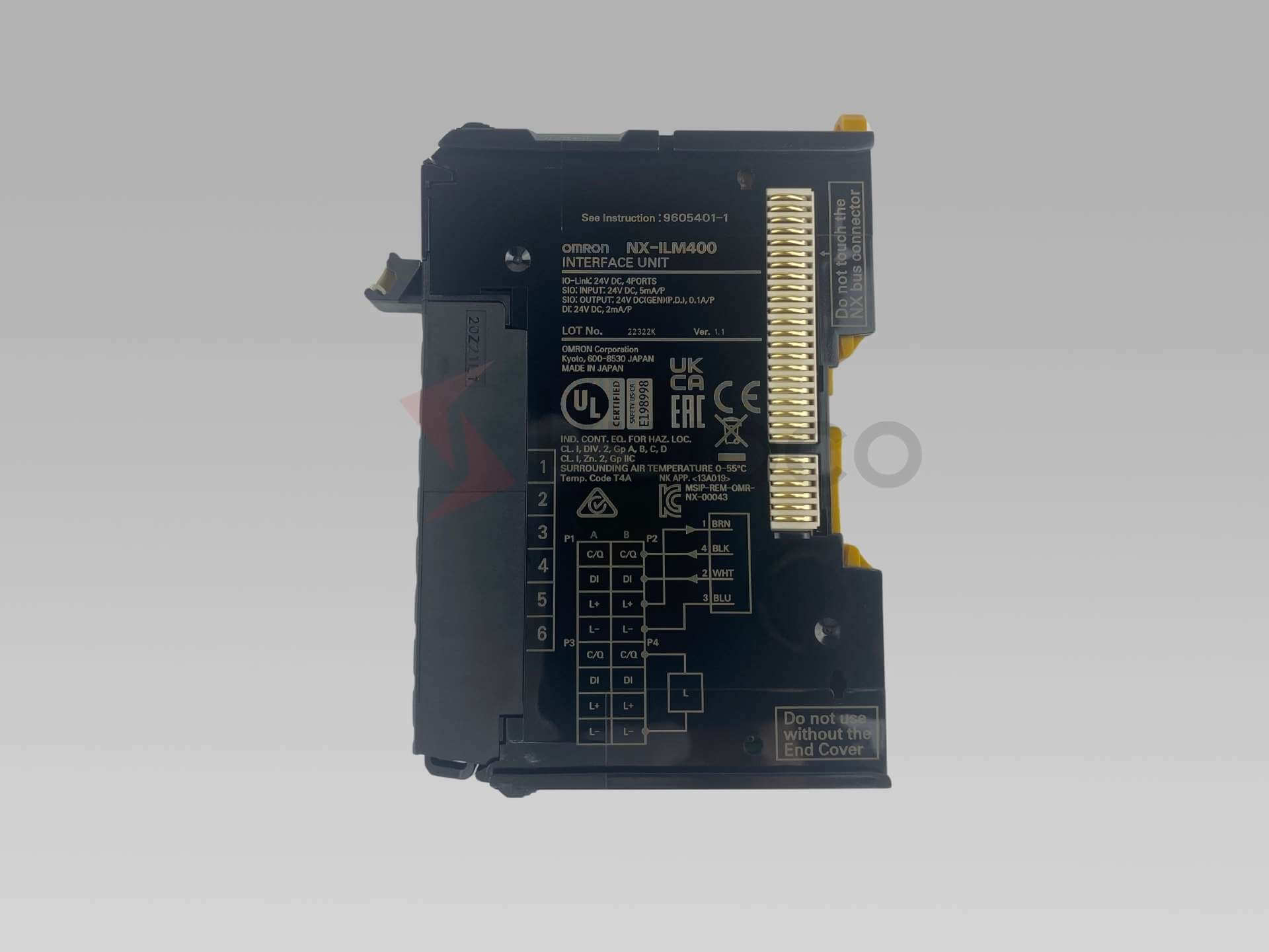
What are the “really nice to use” characteristics of PLCs?
Reliability, modularity, maintainability, and retrofit-friendliness—these four factors often determine whether a system can truly survive long-term on site.
1) Why are PLCs reliable and noise-immune?
Industrial-grade hardware design + manufacturing and test specifications + EMC strategy + self-diagnostics.
Compared with a relay-contactor system of similar scale, PLCs typically reduce external wiring and the number of physical contacts significantly. Fewer contacts means fewer chances of poor contact and mechanical wear. Many PLCs also provide hardware self-test and alarm mechanisms; at the software level you can implement device self-check logic as well, making the overall system more controllable.
2) Why do we say PLCs have a “complete ecosystem and strong applicability”?
A PLC is not just one box—it is an entire product family: CPU, DI/DO, AI/AO, temperature control, weighing, motion, communications, remote I/O, etc. You can “build with blocks” based on project scale.
This matters in real engineering delivery: when requirements change, you do not necessarily have to redesign from scratch; often it becomes “add modules + modify program + re-test.”
3) Why can engineers get started quickly with PLCs?
Languages such as Ladder Diagram (LD) map closely to relay-circuit thinking, so the learning barrier is low—while still supporting structured programming and engineering management needs.
Even team members who are not strong in low-level computing can still express sequence control, interlocks, and alarms clearly using familiar logic.
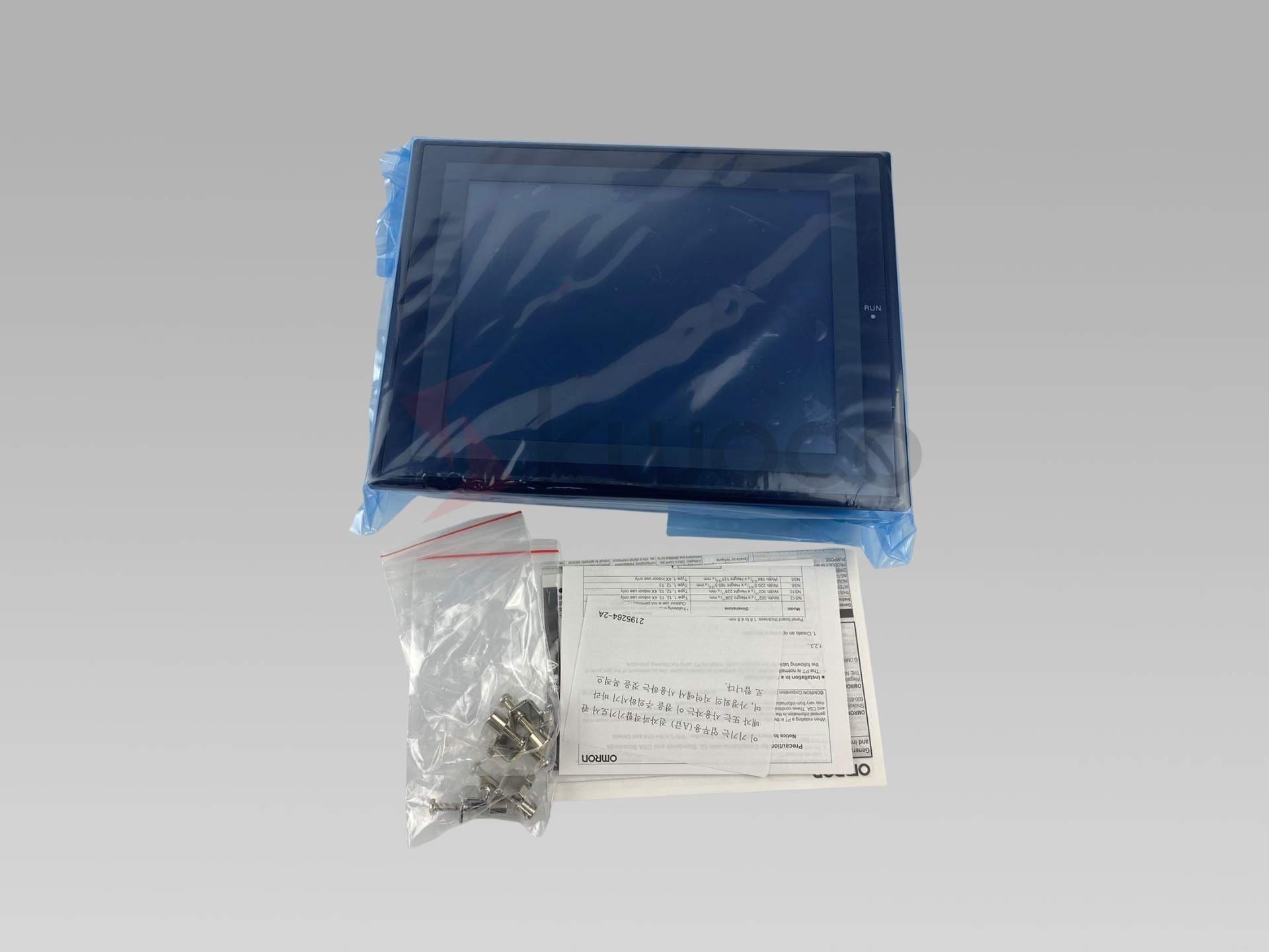
4) Why do PLCs simplify design and maintenance?
They turn “wires” into “programs,” and turn “hard retrofits” into “soft changes.”
Typical benefits:
- Shorter design cycle (less external wiring)
- Faster troubleshooting (online monitoring of I/O and states)
- Better fit for high-mix/low-volume production (more flexible recipe and process changes)
Where do PLC field applications most often fail?
Out-of-spec environment, non-layered wiring, messy grounding, and unmitigated VFD/high-power interference—these four are the most common.
Below I’ll write this as “checks you can use directly on site.”
What are the environmental requirements for PLCs?
Temperature, humidity, vibration, air corrosiveness, and power quality—any one of these going out of limits can create intermittent faults, which are the hardest to troubleshoot.
- Temperature: typically required (0\sim55^\circ\text{C}); do not mount directly above heat-generating components; leave sufficient space for ventilation
- Humidity: relative humidity typically < (85\%) (non-condensing)
- Vibration: keep away from strong vibration sources; frequent/continuous vibration in the (10\sim55\text{ Hz}) range requires vibration isolation
- Air: avoid corrosive/flammable gases such as hydrogen chloride and hydrogen sulfide; for heavy dust, use a sealed control cabinet
- Power: if power noise is severe, use a shielded isolation transformer; for external (24\text{ VDC}), use a regulated supply—simple rectifier + filter supplies may have ripple that can trigger false signals
Where does PLC interference come from? What do “common-mode” and “differential-mode” mean?
Interference mostly occurs where current/voltage changes sharply, and enters the PLC system through radiation, coupling, or conduction. In engineering we often use “common-mode/differential-mode” to describe how signals are disturbed.
- Common-mode interference: same-direction interference introduced by a signal-to-ground potential difference, possibly from mains coupling, ground potential differences, or radiated induction
- Differential-mode interference: interference voltage applied between the two ends of a signal, often from spatial coupling or common-mode conversion
You don’t need to memorize the definitions—remember one rule: many “mysterious jumps” on site eventually trace back to grounding and wiring practices.
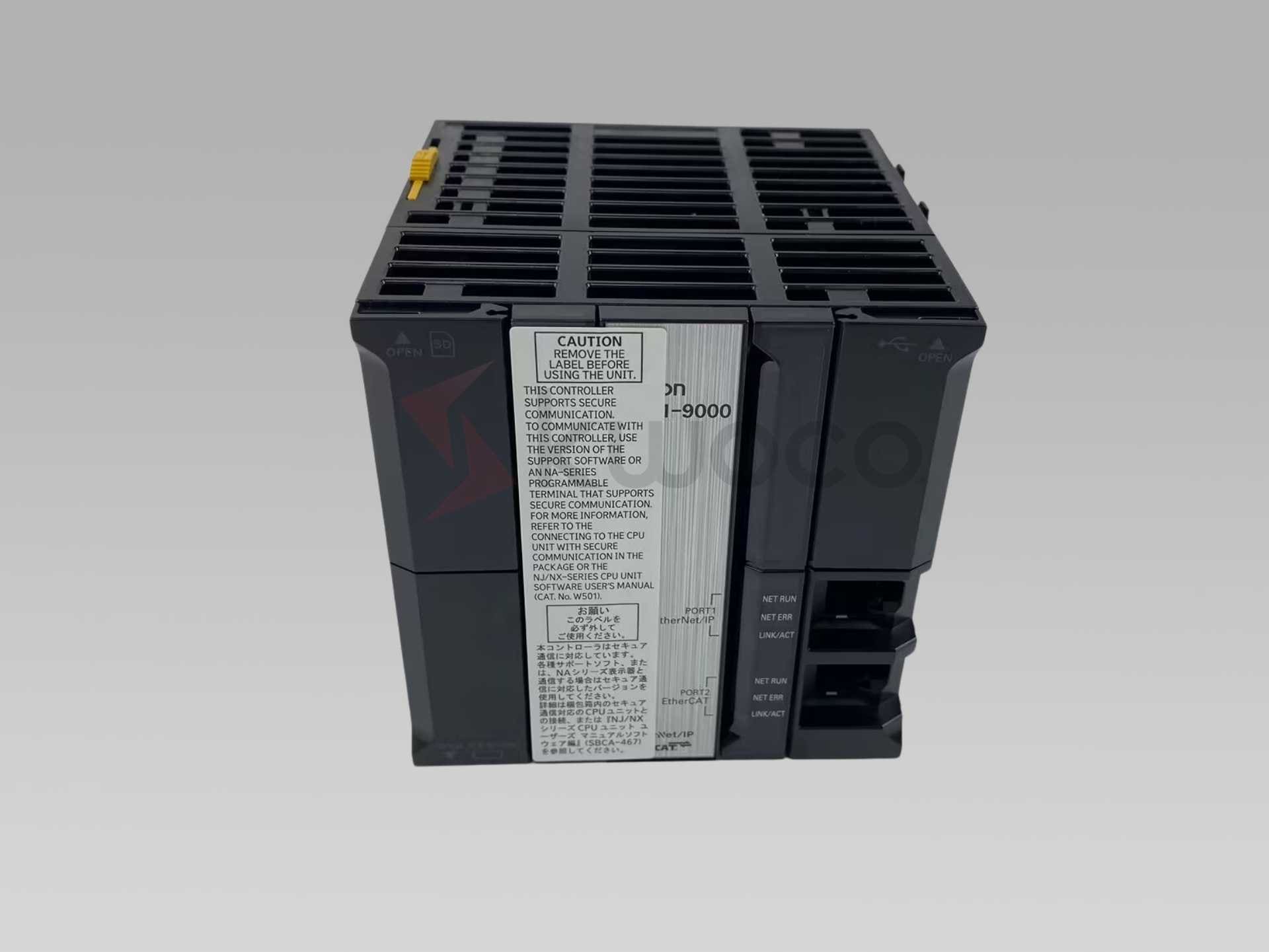
What are the most common interference paths in a PLC system?
Mains conduction, cabinet coupling, signal-line induction, ground loops, internal radiation, and VFD harmonics/radiation—these are the usual suspects.
- High-power interference: knife switch surges, large equipment start/stop, harmonics, short-circuit transient impacts conducted through the mains into the power input
- Cabinet interference: high-voltage parts, inductive loads, and chaotic routing causing coupling
- Signal-line pickup: supply cross-talk and radiated induction (often overlooked but can be fatal)
- Poor grounding: ground potential differences and ground-loop currents causing logic errors and analog measurement drift
- VFD interference: input-side harmonic conduction + output-side electromagnetic radiation
How do we do anti-interference properly? What are actionable engineering practices?
Power isolation and filtering, layered wiring and separation, correct I/O wiring, single-point grounding strategy, and VFD input/output-side mitigation.
1) What is “reliable” handling on the power side?
- If supply noise is heavy: use a (1:1) shielded isolation transformer to reduce coupling between equipment and ground
- At the power input: add (LC) filtering to suppress conducted noise
- For critical loads: consider independent power feeds and UPS (depending on the cost of process downtime)
2) What are the “hard rules” for installation and wiring?
- Route power cables, control cables, PLC power cables, and I/O cables separately; if you can use separate wire ducts, don’t share a duct
- Keep the PLC away from welders, high-power rectifiers, and large power equipment; recommended distance from power cables is > (200\text{ mm})
- For inductive loads (contactor/relay coils), add parallel (RC) snubbers
- Use shielded cable for analog signals; choose single-end or double-end shield grounding based on site evaluation; keep grounding resistance as low as possible (the text suggests it should be less than (1/10) of the shield resistance)
- Separate AC and DC outputs into different cables as much as possible; avoid running in parallel with high-voltage lines
3) What should you watch for in I/O terminal wiring?
Input side:
- Keep cable runs short (if interference is low and voltage drop is controllable, you can relax this)
- Route I/O lines separately
- Prefer normally-open contacts; logic is more intuitive and troubleshooting is faster
Output side:
- Outputs in the same group typically require the same load type and same voltage-class supply
- Avoid short circuits (it can directly burn the output card)
- For relay outputs, watch inductive-load impact on contact life; add interposing relays when needed
- For DC loads add flyback diodes; for AC loads add RC snubbers; for transistor/thyristor outputs, add bypass/protection per vendor recommendations
4) How to ground the system without stepping on landmines?
Clearly separate “protective earth, system ground, and signal/shield ground,” stick to a single-point reference, and avoid ground loops.
- Protective earth: power earth terminal and cabinet grounding, to prevent electric shock
- System ground: keep the control system equipotential; the text suggests grounding resistance ≤ (4\Omega)
- Signal/shield ground: avoid randomly grounding both ends of shields and creating ground potential differences; ensure shield continuity at joints and insulate properly; plan multi-drop shielding with a unified single-point grounding scheme
5) How do you suppress VFD interference?
- Isolation transformer: mainly blocks input-side conducted interference
- Power line filter: suppresses conducted noise and reduces spikes
- Output reactor: reduces radiation and interference propagation between VFD and motor
PLC vs Relay Control vs Industrial PC: how should I choose?
If you need “stable, easy to maintain, and field-friendly,” choose a PLC. If you need “low cost + simple logic,” relays still have a place. If you need “compute power + an open software ecosystem,” consider an Industrial PC (IPC), but your field reliability and maintenance system must keep up.
| Item | PLC | Relay control | Industrial PC (IPC) |
|---|---|---|---|
| Noise immunity & reliability | Strong (industrial design + self-diagnostics) | Medium (contact aging, wiring failures) | Depends on platform and engineering quality (more environment-sensitive) |
| Retrofit & expansion | Fast (add modules / modify program) | Slow (rewiring cost is high) | Fast (software flexible, but system complexity is higher) |
| Maintenance threshold | Medium–low (ladder logic is intuitive) | Medium (relies on electrical troubleshooting experience) | Medium–high (OS, drivers, networking, security) |
| Best-fit scenarios | Production lines, equipment, process, motion, networking | Small/simple logic, low change frequency | Machine vision, AI edge computing, complex data applications |
| Typical risks | Poor grounding/wiring leads to “mysterious faults” | Contact/wiring faults, hard to expand | Updates/compatibility/cybersecurity |
Key points
- PLCs fit industrial automation scenarios where logic, process, motion, data handling, and communications are integrated, with strong engineering reusability.
- When the site is unstable, most of the time it’s not “the PLC is broken,” but that power, wiring, grounding, and VFD interference mitigation were not done well enough.
- Environmental reference values: temperature (0\sim55^\circ\text{C}), humidity < (85\%) (non-condensing), vibration frequency (10\sim55\text{ Hz}) requires isolation.
- Anti-interference: focus on five items—isolation/filtering, layered wiring, I/O protection, single-point grounding, and VFD input/output-side mitigation.
- Selection logic: choose PLC for stability and maintenance efficiency; choose IPC for compute power and open ecosystem; choose relay solutions for simple, low-frequency changes.

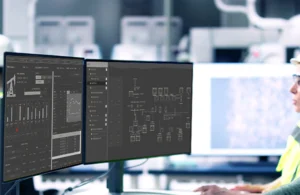
How PLC and SCADA Systems Communicate Efficiently
How do factories ensure that all equipment is synchronized, data flows smoothly, and efficiency is maximized? This is where PLC and SCADA work together.
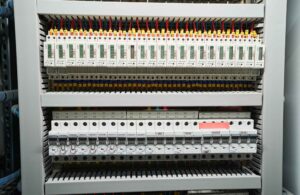
What Is a PLC Panel? A Guide to Electrical Automation
The PLC control panel is the cornerstone of modern industrial automation, orchestrating complex processes with precision and efficiency. Understanding what a PLC panel is and how it functions is essential for anyone involved in industrial operations. This comprehensive guide will illuminate the world of programmable logic controllers and their pivotal role in automating industrial processes.
Why Should We Add a Brake Resistor to the Inverter?
Why Should We Add a Brake Resistor to the Inverter? Are you concerned about the performance and longevity of your