
From legacy serial interaction (RS-232/ RS-485) to modern-day Industrial Ethernet solutions (EtherCAT, Profinet, Ethernet/IP), this short article describes the typical PLC-to-PLC interaction approaches from an automation designer’s viewpoint.
1. Why Is PLC-to-PLC Communication So Important?
In modern production centers, PLCs are no longer isolated controllers. They establish the ” neural network ” of sensible production line. Reliable PLC interaction allows:
- Coordinated operation across multiple controllers.
- Real-time information exchange with upstream/downstream systems.
- Remote diagnostics and tracking.
- Shared gadget standing for maximized manufacturing.
According to the Industrial Automation Market 2024 Document, over 68% of industrial equipment requires multi-PLC interconnectivity to maintain versatile production and scalable designs.
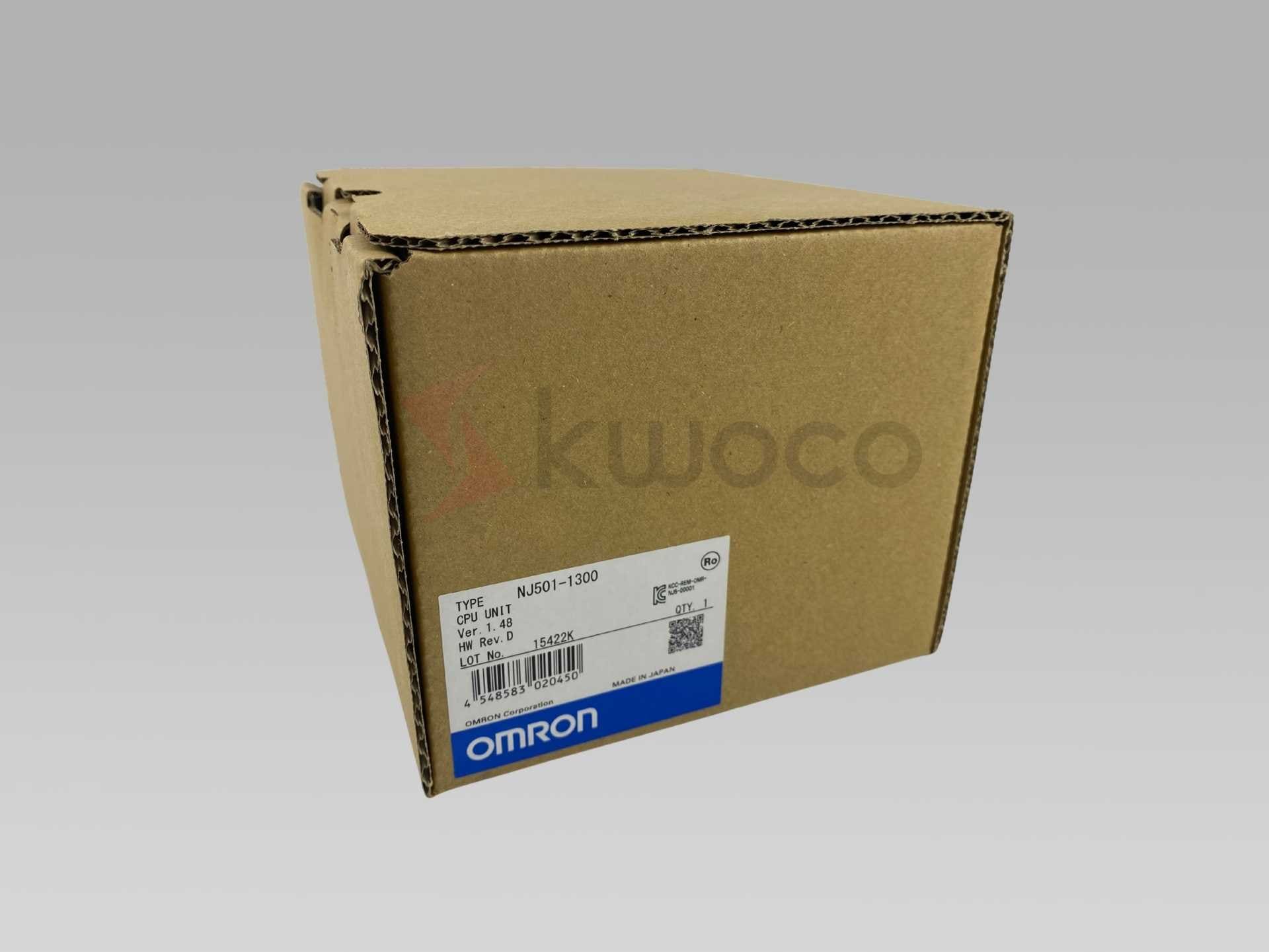
2. Introduction of Typical PLC Interaction Techniques
PLC communication options vary depending on controller brand, communication distance, real-time requirements, and available budget. The most widely used approaches include:
1. I/O Point-to-Point Signal Interaction
The simplest form of communication, where PLCs exchange standing using electronic or analog I/O factors.
- Advantages: Simple, stable, low cost
- Disadvantages: Extremely minimal information capability, unsuitable for large data exchange.
- Ideal for: Standard interlocking or basic tool sychronisation.
2. Serial Interaction (RS-232/ RS-485)
Still widely used across many PLC families.
| Attribute | RS-232 | RS-485 |
|---|---|---|
| Range | ≤ 15 m | ≤ 1200 m |
| Instruments Supported | Point-to-point | 32+ nodes |
| Common Method | Modbus RTU | Modbus RTU |
| Expense | Reduced | Tool |
3. Modbus Interaction (Modbus RTU/ Modbus TCP)
Among one of the most usual cross-brand interaction methods. Sustained by basically all significant brand names consisting of Omron, Siemens, and Schneider.
- Modbus RTU: Serial-based.
- Modbus TCP: Ethernet-based, quicker transmission.
- Advantages: Open up basic, really simple setup, outstanding compatibility.
- Disadvantages: Master– servant style, a lot less best for complex networks.
A lot of PLCs (e.g., Siemens, Schneider) offer pre-built Modbus collections to streamline arrangement.
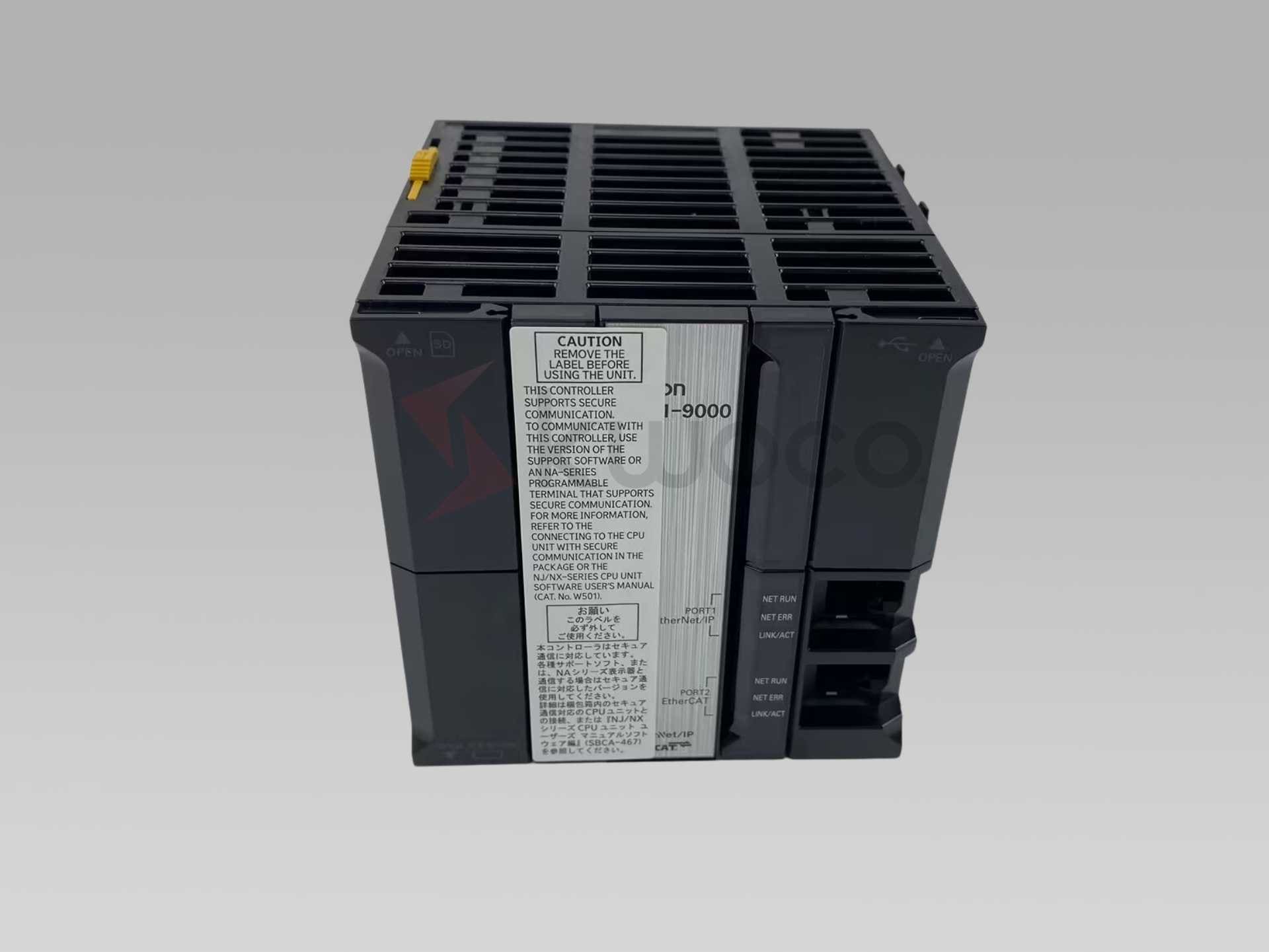
4. Profibus-DP (DP Interaction)
A traditional fieldbus commonly made use of in European automation systems.
- Rate: As high as 12 Mbps.
- Nodes: Approximately 126.
- Finest for: Dispersed I/O and mid- to large plants.
5. Industrial Ethernet Interaction
Consists Of Profinet, Ethernet/IP, EtherCAT, and extra. This is currently among one of the most prominent and future-oriented communication strategy.
| Procedure | Real-time Efficiency | Common Application |
|---|---|---|
| Profinet | High | Siemens systems |
| Ethernet/IP | Tool | Rockwell/ Omron |
| EtherCAT | Very high | Movement control, servo networks |
Advantages: Broadband, huge data transfer, versatile geography
Disadvantages: Greater price, needs appropriate network administration.
3. Secret Actions In Configuring PLC Interaction
Although the arrangement procedure differs by brand name, all PLC systems need these fundamental actions:
1. Boot Up Interaction Criteria
Commonly consists of:
- Node address
- Baud rate
- Parity
- Stop bits
Criteria should match on both connecting tools, or interaction can not be developed.
2. Read and Write Information in the PLC Program
Each brand name supplies committed directions, as an example:
- Siemens: MBUS, MB_MASTER, MB_CLIENT.
- Omron: RXDU/TXDU, or EtherNet/IP Tag Information Web Link.
- Mitsubishi: RS, ZR guidelines.
Via these guidelines, Master and Servant tools exchange signs up, little bits, and information blocks.
4. Contrast of PLC Interaction Techniques (Rate, Expense, Range, Applications)
| Technique | Rate | Expense | Range | Normal Usage |
|---|---|---|---|---|
| I/O Signals | ★ | ★ | ≤ 10 m | Fundamental interlocking |
| RS-232 | ★ ★ | ★ | ≤ 15 m | Point-to-point |
| RS-485 | ★ ★ | ★ ★ | ≤ 1200 m | Multi-node RTU |
| Profibus-DP | ★ ★ ★ | ★ ★ | ≤ 100 m | Dispersed control |
| Modbus TCP | ★ ★ ★ | ★ ★ | LAN-dependent | Cross-brand interaction |
| Industrial Ethernet | ★ ★ ★ ★ | ★ ★ ★ | 100 m (copper) | Smart manufacturing facilities, movement control |
5. Just how to Select the Right PLC Interaction Approach
Selecting the ideal communication design requires evaluating 3 considerable aspects:
( 1) Information Quantity
- Tiny: I/O or RS-232
- Tool: RS-485/ Modbus
- Huge: Industrial Ethernet
( 2) Real-time Efficiency
- Movement control: EtherCAT
- General automation: Profinet/ Ethernet/IP
- Fieldbus networks: Profibus
( 3) System Scalability
- Multi-node systems: RS-485/ Profibus/ Ethernet.
- Cross-brand combination: Modbus TCP

Understanding CNC Spindle Motors: A Complete Guide
CNC spindle motors are the heart of cnc machines, enabling precision and efficiency in modern manufacturing. Whether you’re a seasoned machinist or just curious about how these machines work, this comprehensive guide will shed light on the critical role of spindle motors in CNC technology.
How to Solve Servo Motor Overheating?
10 Essential Insights About OMRON PLC CJ2 Series Overheating issues with servo motors can disrupt operations and cause unnecessary downtime,

VFD vs VSD: Understanding Key Differences in Motor Control
Are you confused about the difference between Variable Frequency Drives (VFDs) and Variable Speed Drives (VSDs)? This comprehensive guide will clarify these essential motor control technologies, helping you make informed decisions for your industrial applications.