
We will discuss how to select manufacturers, calculate I/O points, and make optimal decisions based on communication requirements and memory capacity.
I. Manufacturer Selection: The Logic Behind the Brand
Determining the PLC manufacturer is the first step. This isn’t just about brand recognition; it is more about considering user habits, the proficiency of the design team, and after-sales technical support.
Regarding reliability, hardware quality is generally not an issue with any major international brand. However, there are significant differences in design philosophy between regions.
In my opinion, if you are controlling a standalone machine or a relatively simple system, Japanese PLC brands (such as Mitsubishi or Omron) offer a significant advantage in terms of cost-performance ratio. Their instruction sets are typically intuitive and easy to master.
Conversely, if your project is a large-scale distributed control system (DCS) with extremely high requirements for network communication, European and American PLCs (such as Siemens or Rockwell Automation) are superior. Their logic structures are better suited for handling complex process control and massive data exchange.
To give you a clearer perspective, I have created the following table comparing these two mainstream categories:
| Dimension | Japanese Brands | Euro-American Brands |
|---|---|---|
| Typical Representatives | Mitsubishi, Omron | Siemens, Rockwell (Allen-Bradley) |
| Primary Advantages | Cost-effective, Compact | Powerful Communication, Structured Programming |
| Applicable Scenarios | Standalone equipment, Small production lines | Large factories, Process Control/DCS |
| Programming Style | Ladder Logic focused, Intuitive | Modular, Function Block (FB) rich |
Furthermore, for specific industries (such as Metallurgy or Tobacco), priority should be given to PLC systems that already have mature application cases within that sector. This significantly lowers the risk of failure due to environmental incompatibility.
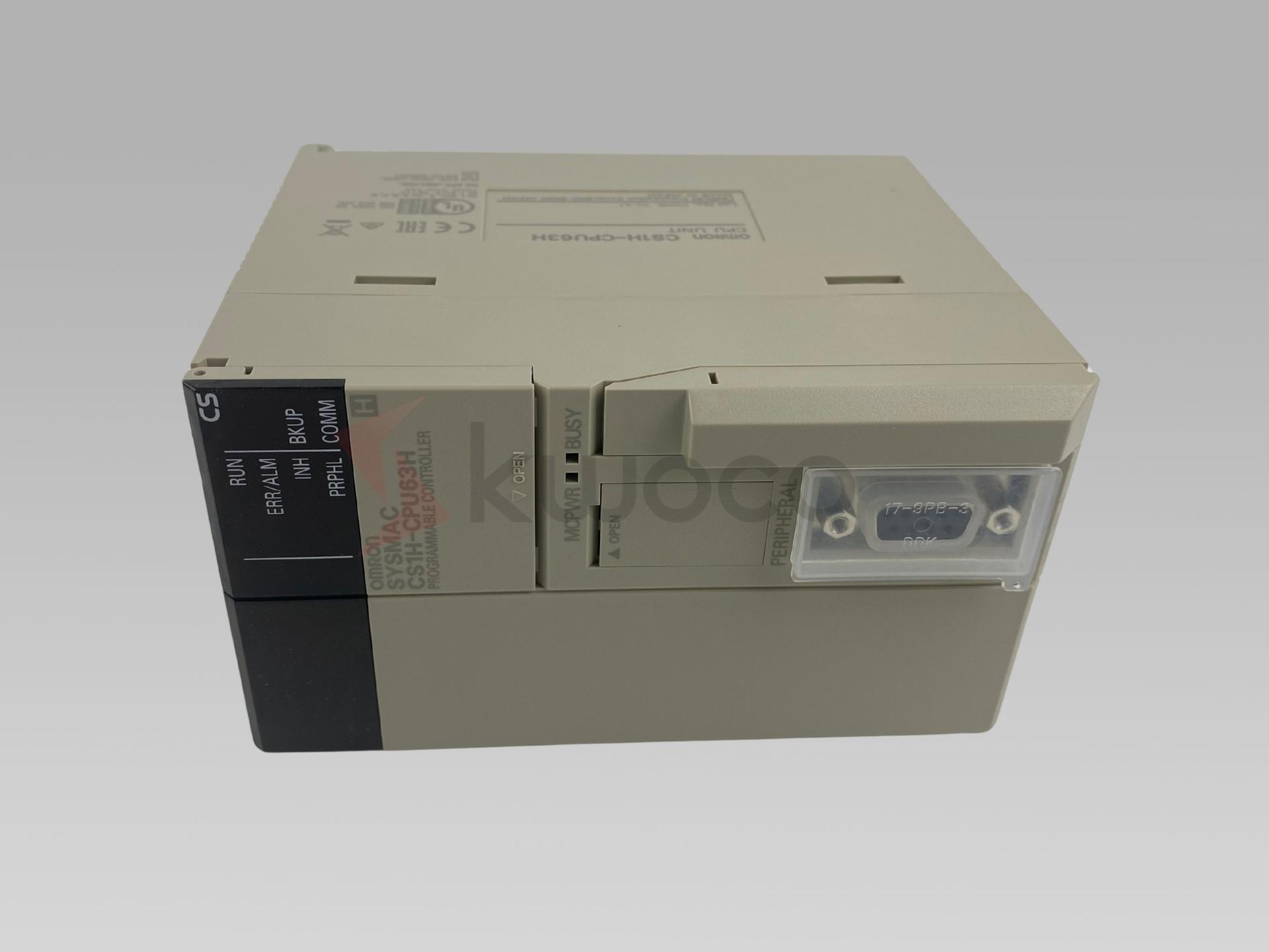
II. Precise Estimation of Input/Output (I/O) Points
The I/O count is the most fundamental parameter of a PLC. Many novices make mistakes here, either buying too few and running out, or buying too many and wasting budget.
The basis for determination should be the sum of all input and output points required to control the equipment. However, in professional practice, we never calculate “just enough”. You must leave a margin.
Based on my experience, the standard practice is:
- Tally all hardwired I/O points.
- Add a 10% to 20% expansion margin on top of that base.
III. Scientific Estimation of Memory Capacity
Memory capacity refers to the storage size provided by the PLC hardware. We need to ensure that the PLC’s memory capacity is greater than what we currently need, to allow for future changes or additions to the design.
I will share an estimation formula commonly used in the engineering field. While literature varies, this method is practical and safe:
- Multiply the number of Digital I/O points by 10 to 15.
- Multiply the number of Analog I/O points by 100.
- Add these two results together to get the total number of required Words (assuming 16-bit words).
- Finally, add a 25% margin to this total.
For example, certain models of the Siemens S7-300 series might offer 64KB or 128KB of work memory, you need to match the appropriate CPU based on the estimation above.

IV. Communication Functions: The Foundation of the Industrial Internet
Modern PLCs are no longer isolated islands. Communication functions are becoming increasingly powerful and complex. During selection, you must define the PLC’s position within the overall network architecture.
Common PLC system network topologies include:
- PC Master Mode: A computer acts as a SCADA/Monitoring station, managing several PLCs.
- Multi-PLC Network: One PLC acts as the master, with others as slaves.
- DCS Integration: The PLC acts as a lower-level subnet connected to a large-scale DCS.
- Proprietary Networks: Closed protocol networks specific to manufacturers.
To avoid overloading the CPU, I strongly recommend using independent Communication Processors (CP) based on actual needs. For instance, if significant Ethernet data transmission is required, do not let the CPU handle all data packets directly; installing a dedicated communication module can significantly improve system stability.
V. Form Factor Selection: Compact vs. Modular?
This is the most visible physical choice during selection.
- Compact (Monolithic) PLC:
- Fixed I/O points, small footprint, low cost. Typically used for small control systems.
- Typical Reps: Siemens S7-200 SMART, Mitsubishi FX Series, Omron CP Series.
- Modular PLC:
- Like building blocks, Power Supply, CPU, and I/O modules can be selected independently and plugged into a backplane/rack. Extremely flexible configuration, suitable for medium to large systems.
- Typical Reps: Siemens S7-300/400/1500, Mitsubishi Q Series.
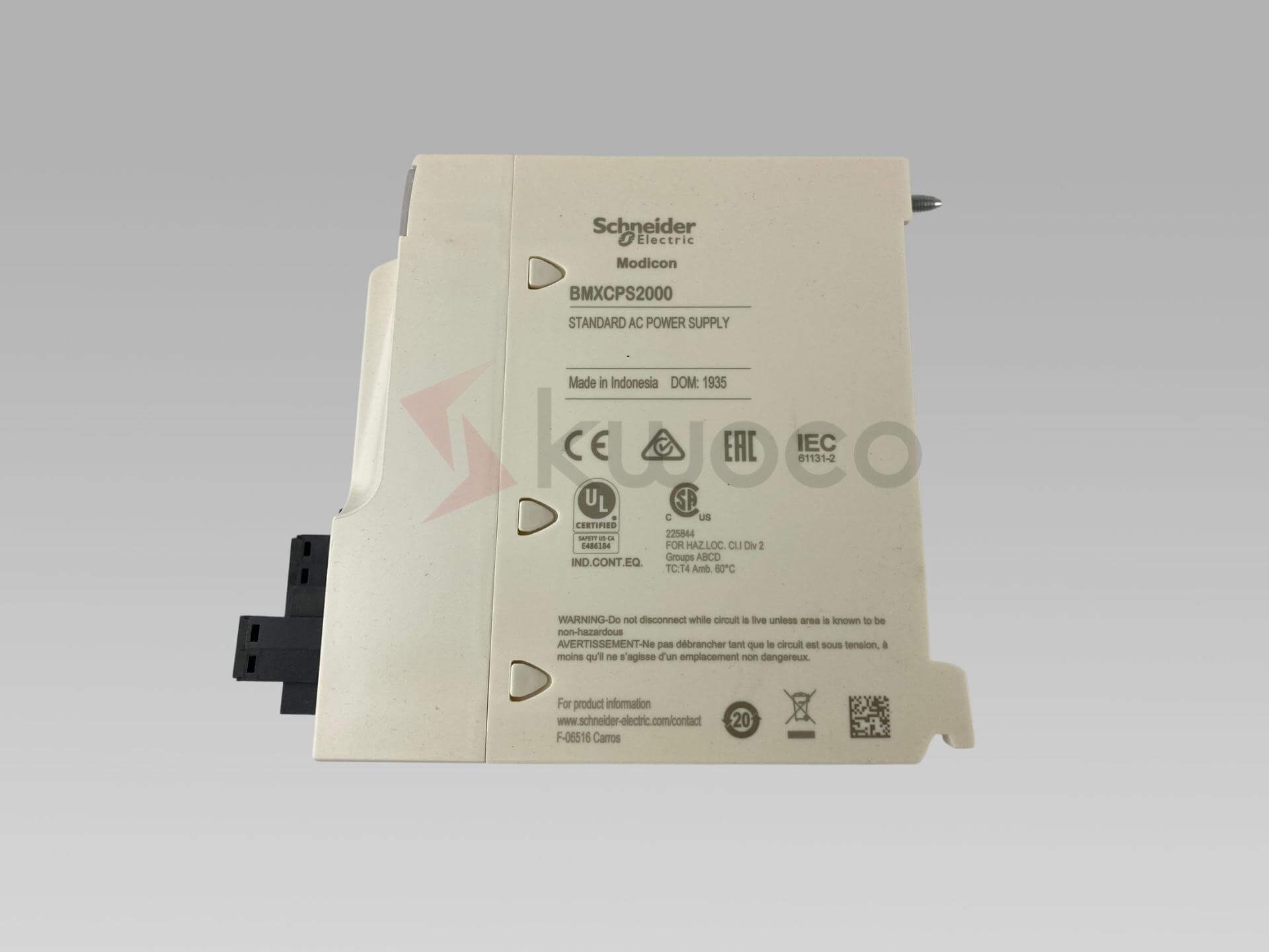
VI. Tips for Selecting I/O Modules
Once the CPU and rack are selected, the next step is the specific I/O modules. There is significant technical nuance here.
1. Digital Output Modules
For Output Modules, you typically face three choices, each with distinct pros and cons:
- Relay Output:
- Pros: Cheap, wide voltage range (AC/DC compatible).
- Cons: Short lifespan, slow response time, unsuitable for frequent switching.
- Transistor Output:
- Pros: Extremely fast response, long lifespan, suitable for servo pulse control.
- Cons: Poor overload capacity, typically supports DC only.
- Triac (Thyristor) Output:
- Pros: Fast response, suitable for frequent switching of inductive loads.
- Cons: Expensive.
My Advice: If driving loads that switch infrequently, such as solenoid valves, Relay Output is the most economical. If controlling stepper motors or requiring high-frequency switching, you must select Transistor Output.
2. Analog Input/Output Modules
For analog, focus on the signal type.
- Input Types: Common signals include Current (4-20 mA) and Voltage (0-10V). There are also specialized Temperature Modules for direct connection to Thermocouples or RTDs.
- Output Types: Also divided into Voltage and Current, used for controlling VFD frequency or regulating valve position.
When selecting, pay attention to channel matching. Common configurations are 2-channel, 4-channel, or 8-channel modules.
VII. Don’t Forget Function Modules
Standard logic control might suffice for basic tasks, but if your equipment requires precise positioning or temperature control, specialized function modules are indispensable.
- Positioning Modules: For Servo/Stepper control.
- High-Speed Counter Modules: For connecting encoders.
- PID Control Modules: For closed-loop process control.
When selecting these, look not only at hardware compatibility but also at software programming convenience. For example, the Mitsubishi FX series allows reading/writing special module data via simple FROM and TO instructions, which is a testament to software convenience.
VIII. Three General Principles of Selection
Finally, once the specific models and specifications are tentatively determined, review your Bill of Materials (BOM) against these three principles:
- Convenience Simplify circuit design. For example, prioritize output modules that can drive loads directly. This eliminates the need for many interposing relays, saving money and reducing potential failure points.
- Universality (Standardization) Within a factory or a single project, minimize the variety of module types. For instance, if possible, use DC 24V input modules exclusively rather than mixing in AC 220V inputs. This aids in spare parts procurement and makes it easier for maintenance personnel to remember the system.
- Compatibility To avoid inexplicable communication failures, it is best to select products from the same manufacturer for the main components of the PLC system. Although modern protocols are open, compatibility between devices of the same brand is always the most reliable.


Choosing the Right Terminal Block: A Complete Guide
Terminal blocks are essential components in electrical systems, ensuring organized and secure connections between multiple wires. These devices come in a variety of types and configurations, each suited to specific applications and environments.

PLC vs PC: Key Differences in Industrial Automation
In the realm of industrial automation, the choice between a Programmable Logic Controller (PLC) and a Personal Computer (PC) can significantly impact operational efficiency and system performance. This article delves into the fundamental differences between these two technologies, helping you make informed decisions for your automation needs.

Digital vs Analog Servos: Which Is Better for Your RC Motor?
This article delves into the intricacies of servo technology, specifically focusing on the debate between digital vs analog servos in the realm of RC motors. Whether you’re a machinery equipment manufacturer or an industrial control solutions company, understanding the nuances of servo operation is crucial for optimizing performance and efficiency in automation control within manufacturing plants. This read will provide you with the knowledge necessary to make an informed decision about which type of servo best suits your needs, ultimately enhancing your product offerings and solutions.