
Buying equipment solely based on the lowest price will likely lead to regret, such as encountering problems connecting to the network.
The result? You end up paying twice to replace the whole setup. As control engineers, we highly recommend that when sourcing industrial-grade hardware, you must rigorously evaluate interface types, field network environments, data flow architectures, and value-added edge capabilities.
We’ve seen too many veteran engineers try to save fifty bucks, only to blow the entire project budget during production line upgrades. Today we’ll discuss how to avoid pitfalls when purchasing PLC automation products.
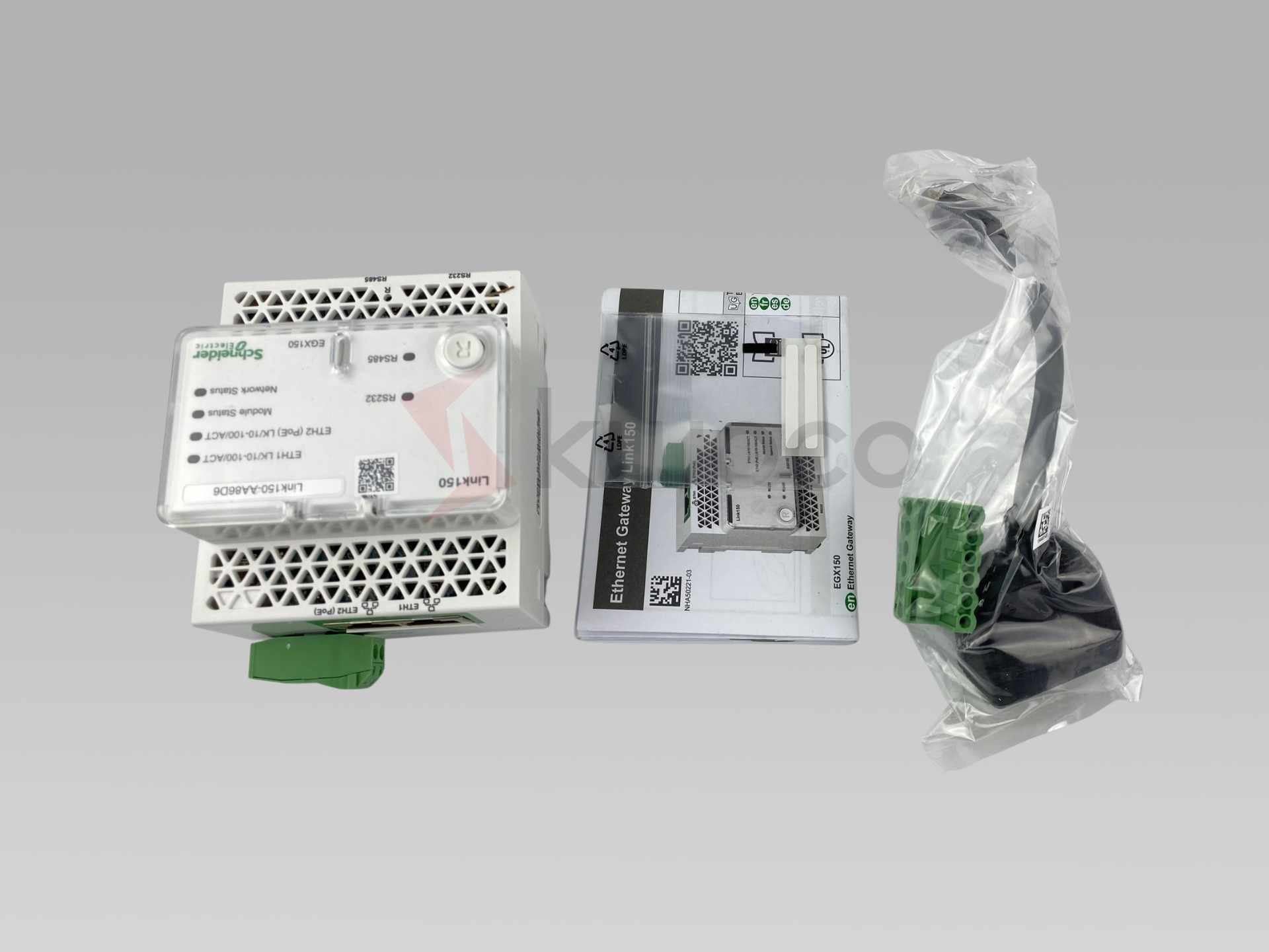
Why “The Lowest Price” is Usually a Massive Trap
PLC gateways priced significantly below the market average typically achieve those cuts by stripping out core communication protocol libraries, EMI/RFI immunity (anti-interference capabilities), and crucial physical interfaces.
The hidden maintenance costs you will inevitably incur later will absolutely devour any initial savings.
Gateway prices on the market range wildly from a few tens of dollars to well over a thousand. You might be wondering: Isn’t it just a dumb box for data acquisition (DAQ)? How much difference could there be?
Guess what? The difference is night and day.
You buy the cheap unit. It runs for two days after powering up, then crashes. Why? It lacks a true RS232 port, or it simply doesn’t recognize the legacy protocol of that older controller on your shop floor.
The DAQ process just freezes. To meet project commissioning deadlines, you scramble to find a replacement. It’s cheap to buy but incredibly expensive to use. Not only is the money down the drain, but your entire engineering team is pulling three all-nighters in a row to patch it.
Take a look at this real-world comparison matrix we put together. It speaks for itself.
| Focus Metric | Budget Gateway (Cheap Knockoffs) | Professional Industrial-Grade Gateway | The Actual Price You Will Pay |
|---|---|---|---|
| Interfaces & Protocols | Only supports basic transparent transmission (serial-to-Ethernet). | Built-in comprehensive libraries for mainstream PLC protocols. | Exorbitant labor costs for writing custom parsing/translation code. |
| Reliability | Vulnerable to shop floor EMI; frequent disconnections. | Industrial-grade protection, wide operating temperature/voltage range. | Massive financial losses from line downtime during critical production runs. |
| Data Processing | Performs only simple, blind data forwarding. | Supports Edge Computing and offline data caching/resumption. | Irrecoverable loss of critical production data during network fluctuations. |
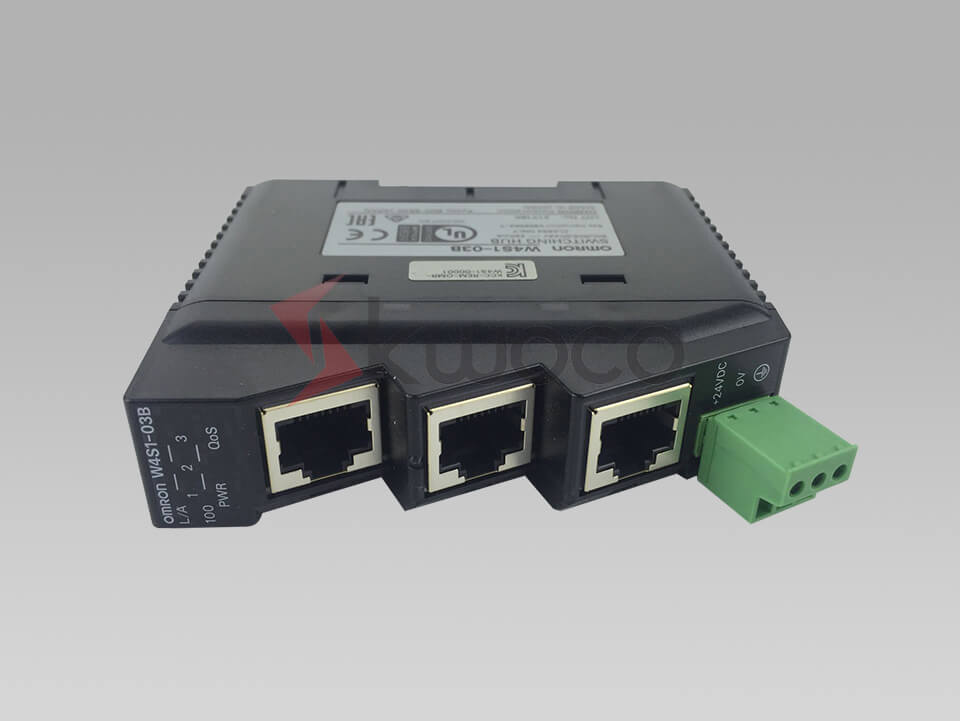
Which PLC Gateway Actually Deserves a Spot in Your Project? Use This Selection Logic
Let me give you the answer straight up: Ignore the deceptive price tags. Screen your options using this sequence: audit physical interfaces, thoroughly assess the field network, map out the data flow architectures, scrutinize value-added edge features, and insist on prototype testing. Execute this logic, and you will absolutely select the most robust model for your architecture.
1. What Do Your Controllers Look Like? Audit the Physical Interfaces First.
Don’t issue that purchase order just yet. Take a walk on the shop floor first. Get a clear picture of your equipment BOM (Bill of Materials). Look at exactly what hardware ports your existing PLCs are equipped with. Do they require standard Ethernet ports? Aging RS485 serial ports? Or direct Hardwired I/O connections? If the physical hardware layer doesn’t match up, the rest of the conversation is pointless.
2. What Can the Field Network Environment Provide?
What is the actual network reality on the shop floor? Do not foolishly assume there will be a clean Ethernet drop everywhere you look. Remote pump stations? Stick to 5G or 4G LTE cellular networks. Scattered, isolated equipment across the plant? Wi-Fi or LoRa might be your best bet.
3. Where is the data ultimately stored?
Data acquisition is just step one. Once extracted, the payload needs a reliable destination. Talk to your IT department. Are we pushing this data to the gateway manufacturer’s public cloud platform? Are we doing a localized private/on-prem deployment? Are we routing it directly to a major third-party cloud provider like AWS, Azure, or Alibaba Cloud? Or perhaps bridging it straight into the internal MES or ERP systems?
Next, look at the transmission protocols. Mainstream large-scale IoT platforms heavily favor lightweight protocols. Gateways with native support for MQTT or HTTP(S) are absolute top choices here. But what if you are integrating locally with industrial SCADA software? In that case, Modbus TCP or OPC UA support is completely unavoidable.
4. Does it still have any function?
Keep a close eye on advanced functionalities during procurement. Serial port forwarding. Protocol translation/parsing. Having these two features alone means we write tens of thousands of lines of custom code less. Edge Computing is an absolute godsend—filtering, aggregating, and dumping junk data locally before it even leaves the edge. Offline data caching (Resume-from-breakpoint) and auto-reconnection? Absolute lifesavers! We’ve dealt with evaporating data due to slight network jitters far too many times. Lastly, don’t forget Remote Maintenance/VPN capabilities. Flashing PLC logic or tuning field devices while sipping coffee in the engineering office? Pure bliss.
5. Reliable Brand Credentials are Hard Currency
Look only for brands with proven hardware quality and a strong industrial pedigree. Dig into their product lines and corporate credentials. Those fly-by-night amateur outfits that sell cheap consumer electronics today and rebadge an industrial gateway tomorrow? Blacklist them immediately.
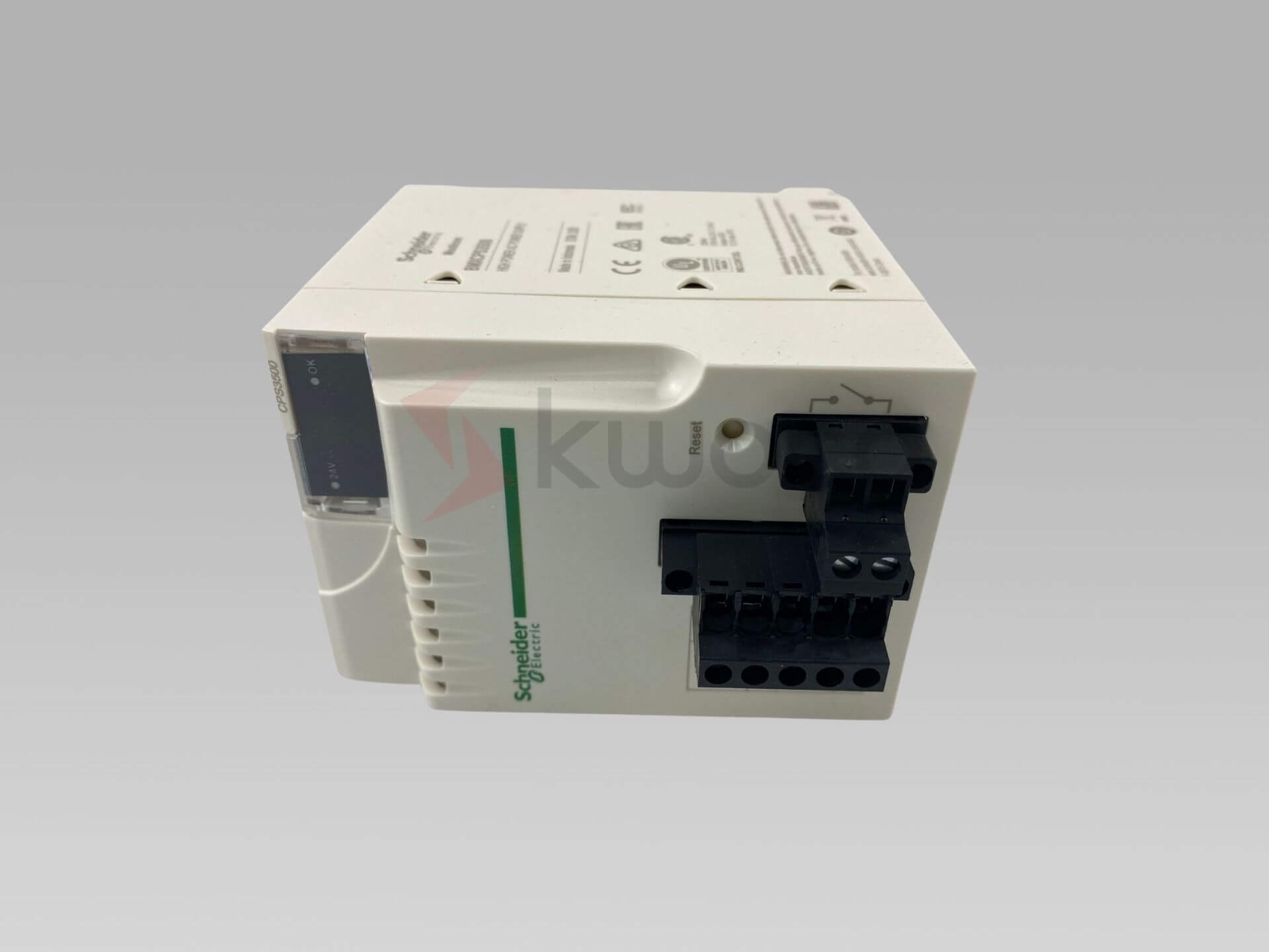
A Quick Cheat Sheet for Core Procurement Criteria
No time to listen to us ramble? Read this. Take a screenshot:
- Avoid rock-bottom prices: Dirt-cheap units are packed with hidden integration and maintenance costs.
- Obsess over the Big Three: You must verify PLC network/serial ports, field network support types, and communication/transmission protocols.
- Insist on value-adds: Offline data caching, edge computing, and remote maintenance VPNs—don’t settle for a unit missing even one of these.
- The Golden Rule of Sourcing: Prototype testing first, bulk procurement later! Daring to place a massive order without field-testing a demo unit? You are just digging a grave for your project.

A Deep Dive into Kwoco’s Successful Cooperation with Japanese Public Companies
A Deep Dive into Kwoco’s Successful Cooperation with Japanese Public Companies Have you ever questioned whether a new supplier can

Do Photoelectric Sensors Need Reflectors? Expert Insights
One question that comes up frequently is: Does a photoelectric sensor need a reflector? The answer isn’t a simple yes or no—it depends on the type of sensor and the application’s requirements. Let’s delve into the details to clarify this topic.
24VDC vs 120VAC: Understanding the Differences in Automation
When selecting control voltages for industrial automation, two common choices are 24VDC and 120VAC. But how do you decide which one is right for your application? In this article, we will break down the key differences between 24VDC and 120VAC, explore their uses in automation systems, and help you make an informed decision based on your needs.